Early Years Foundation Stage
Welcome to the Foundation Stage
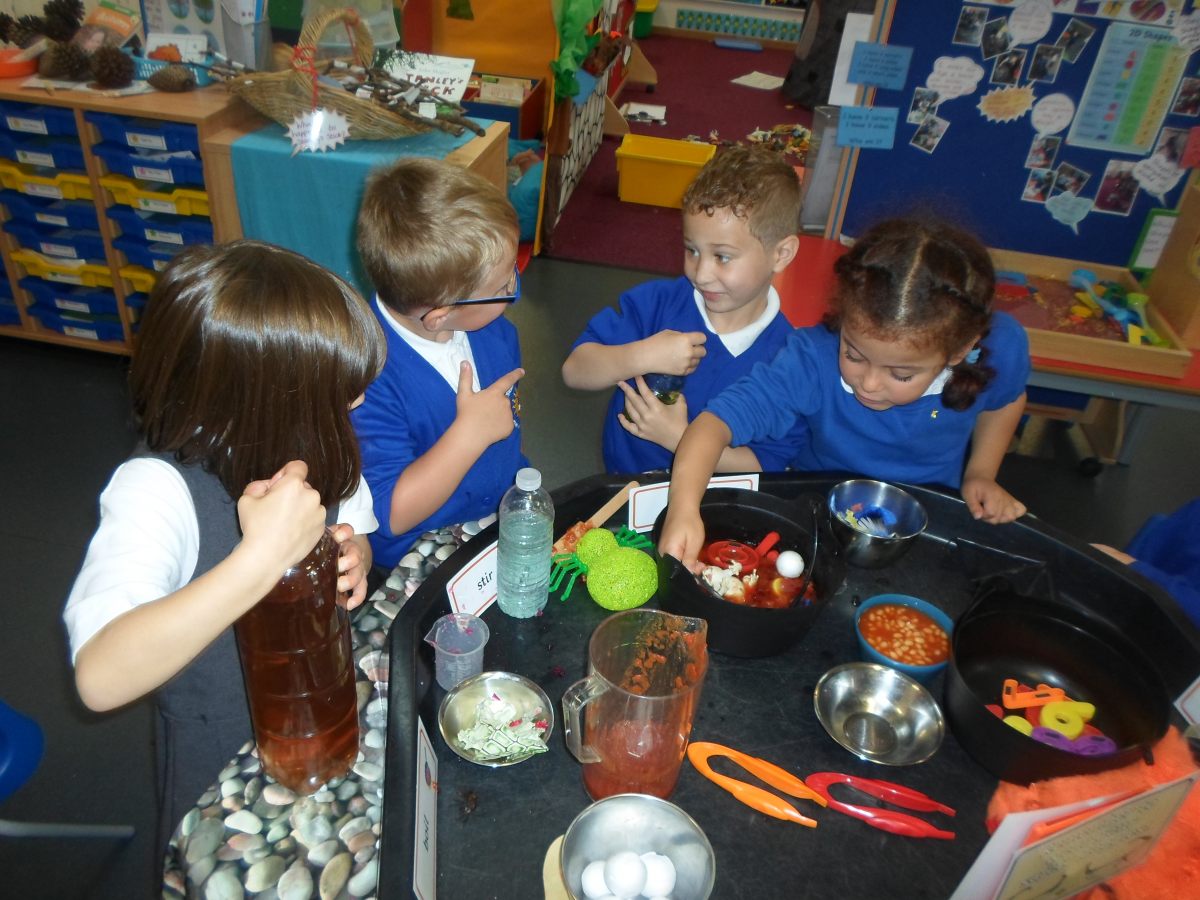
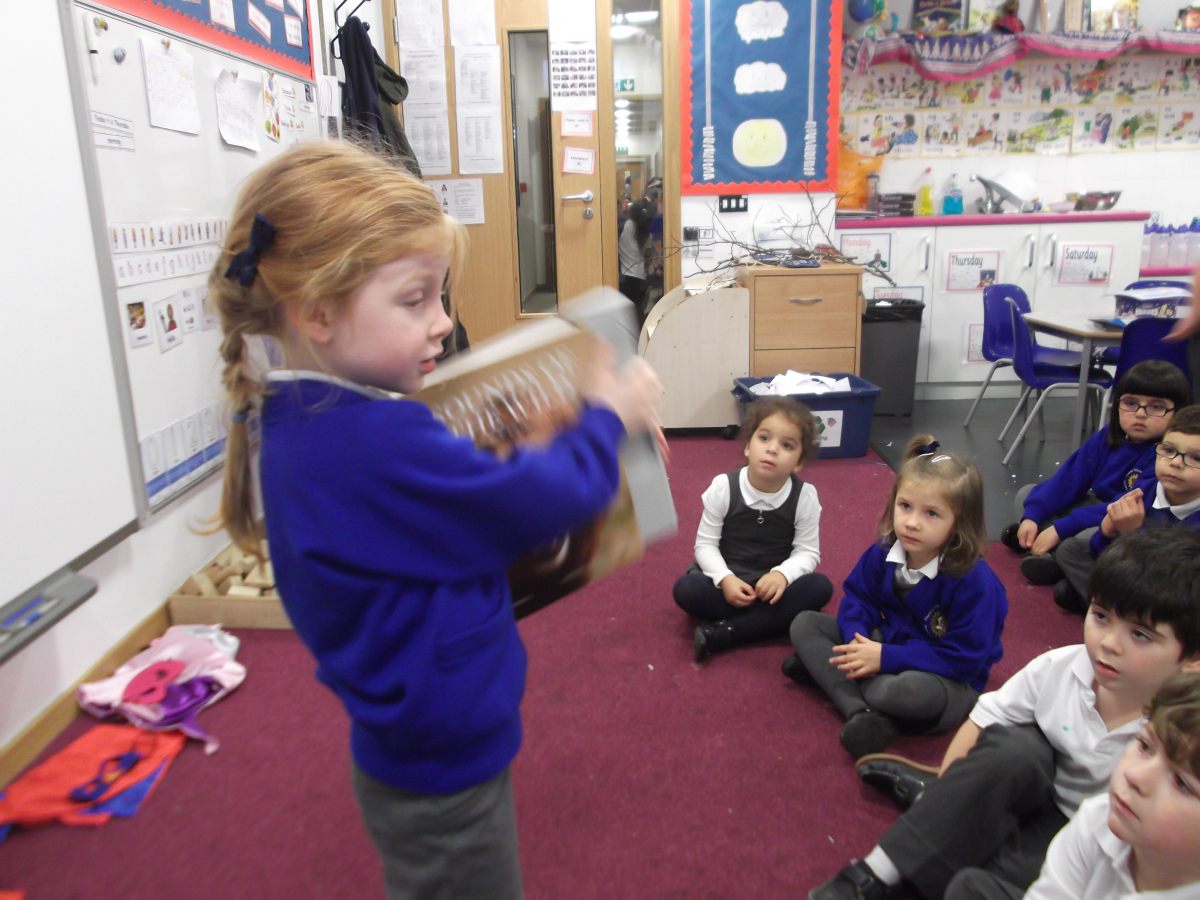
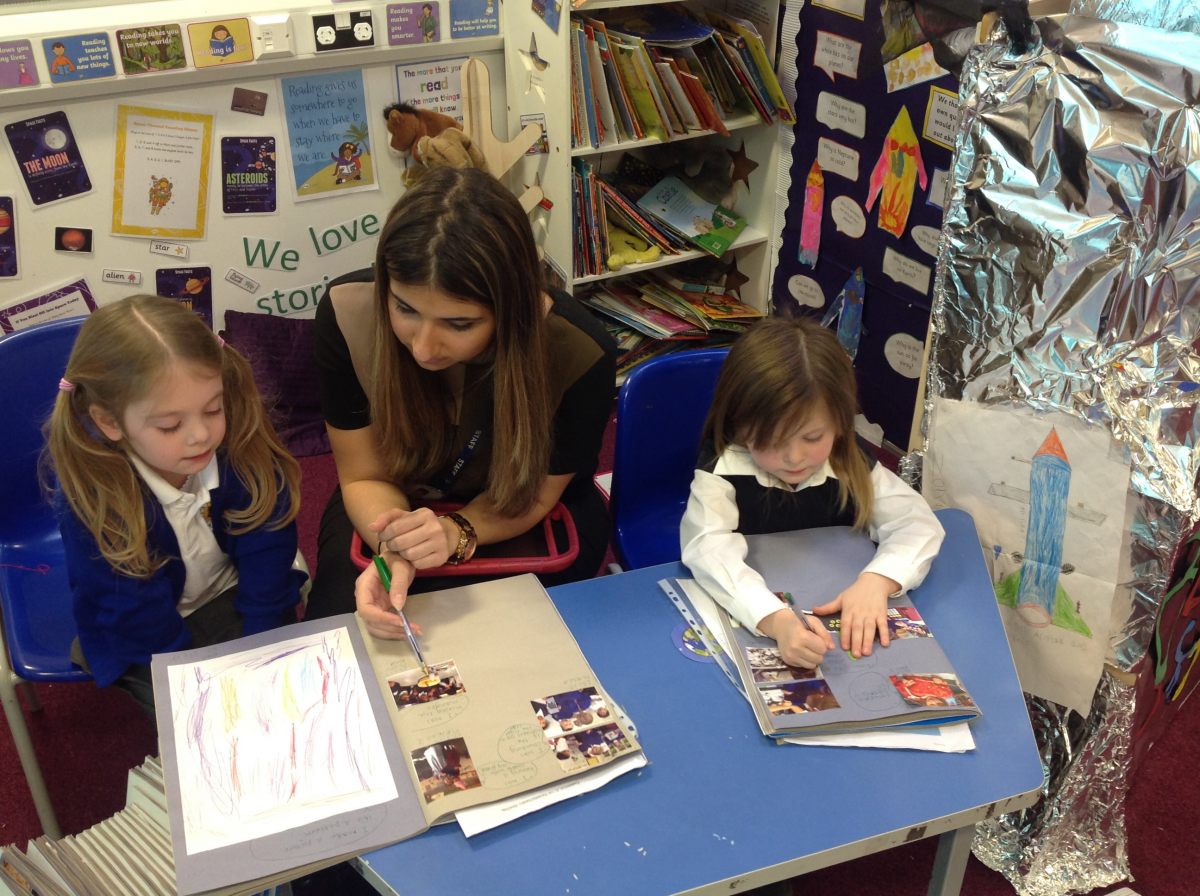
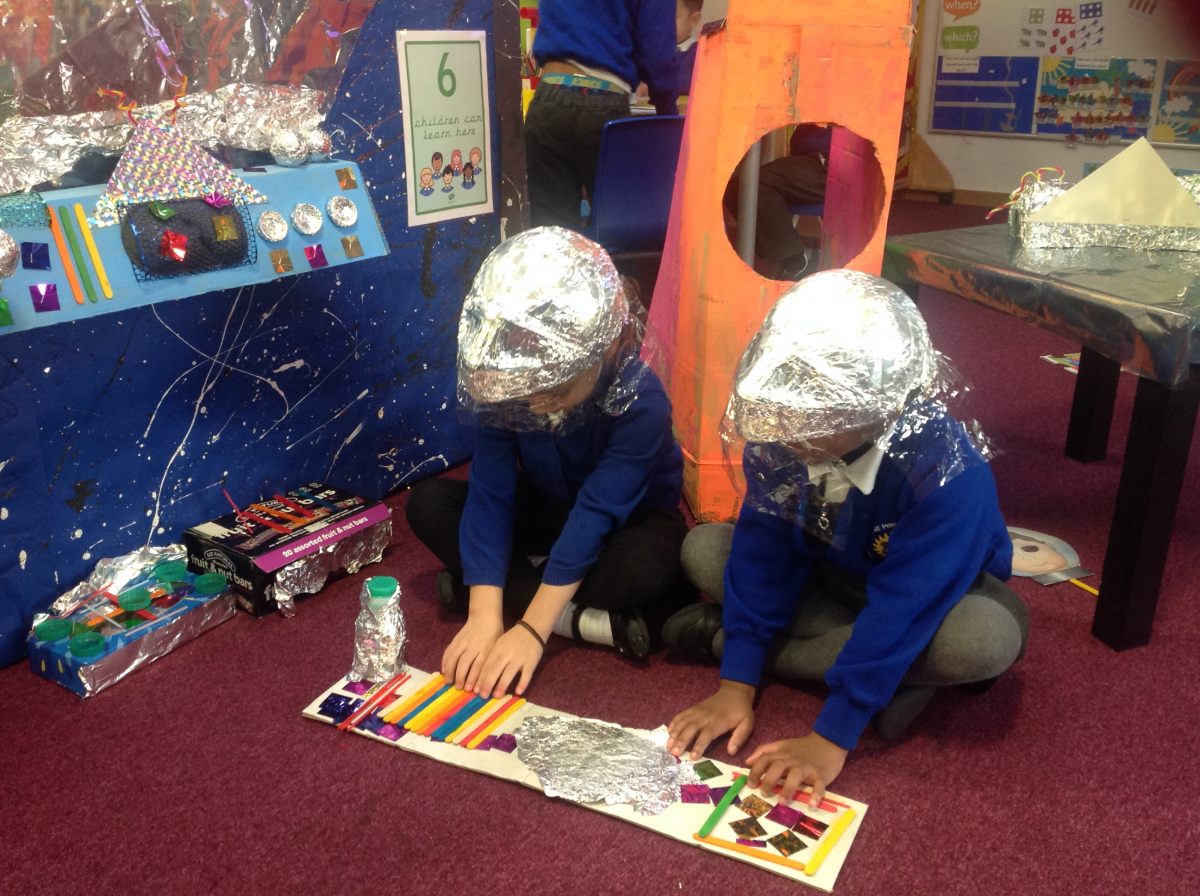
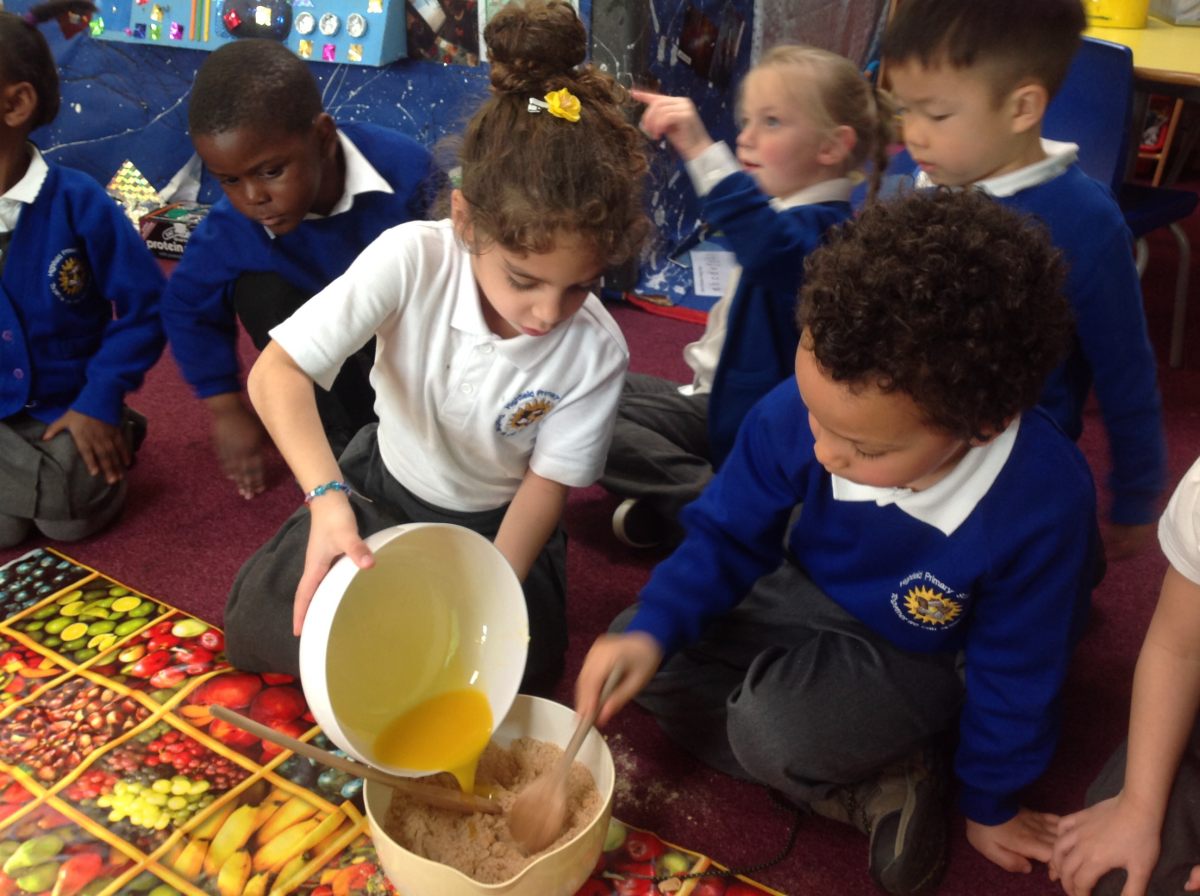
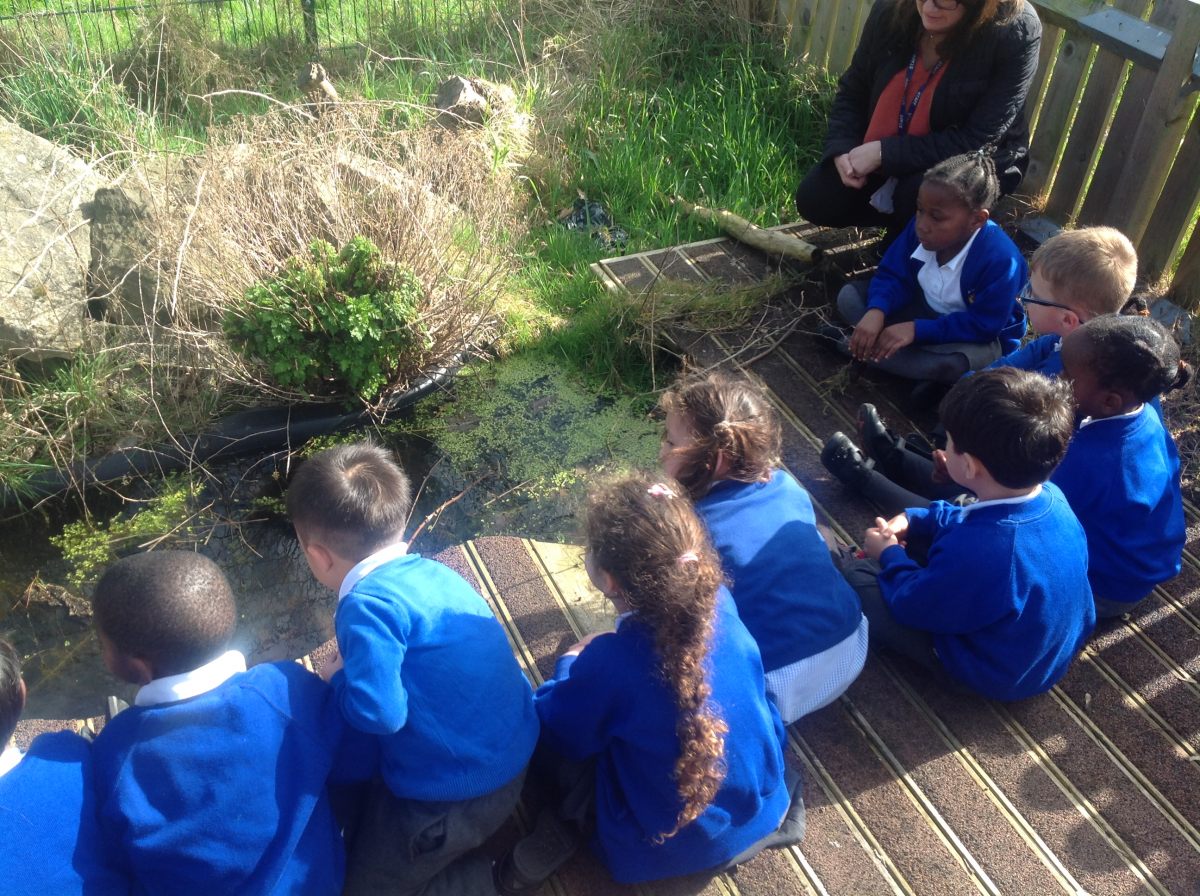
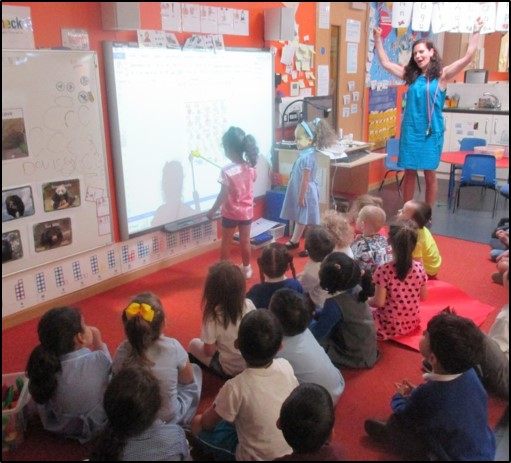
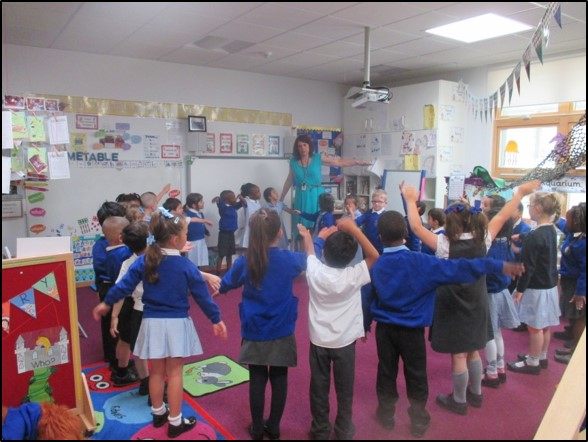
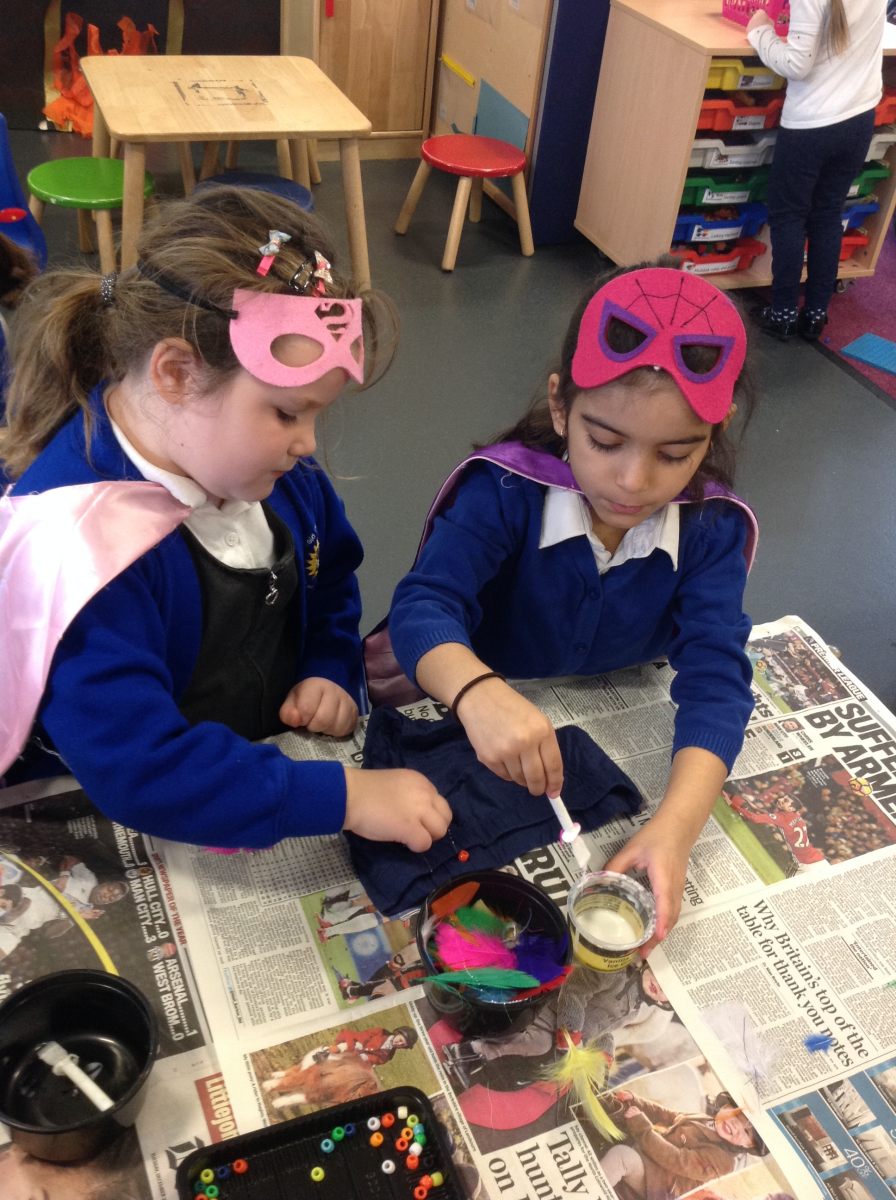
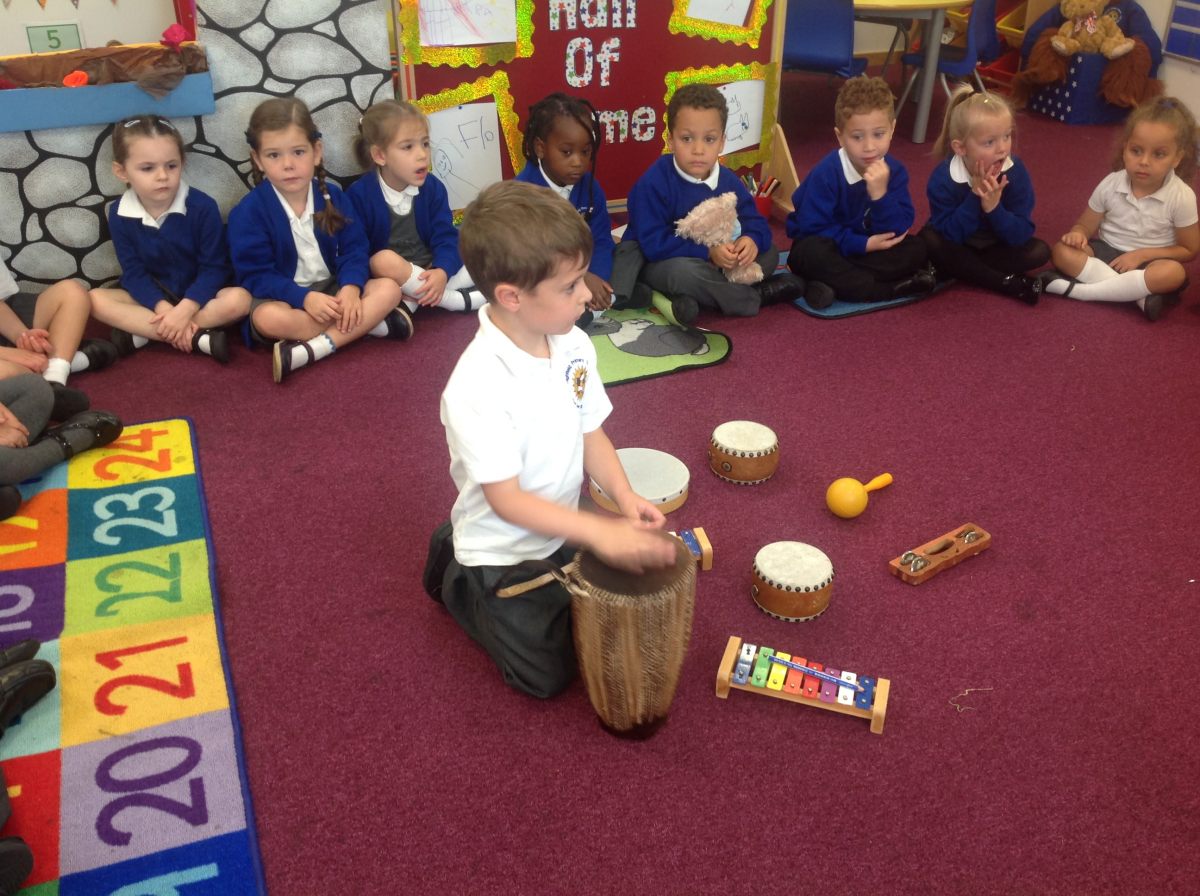
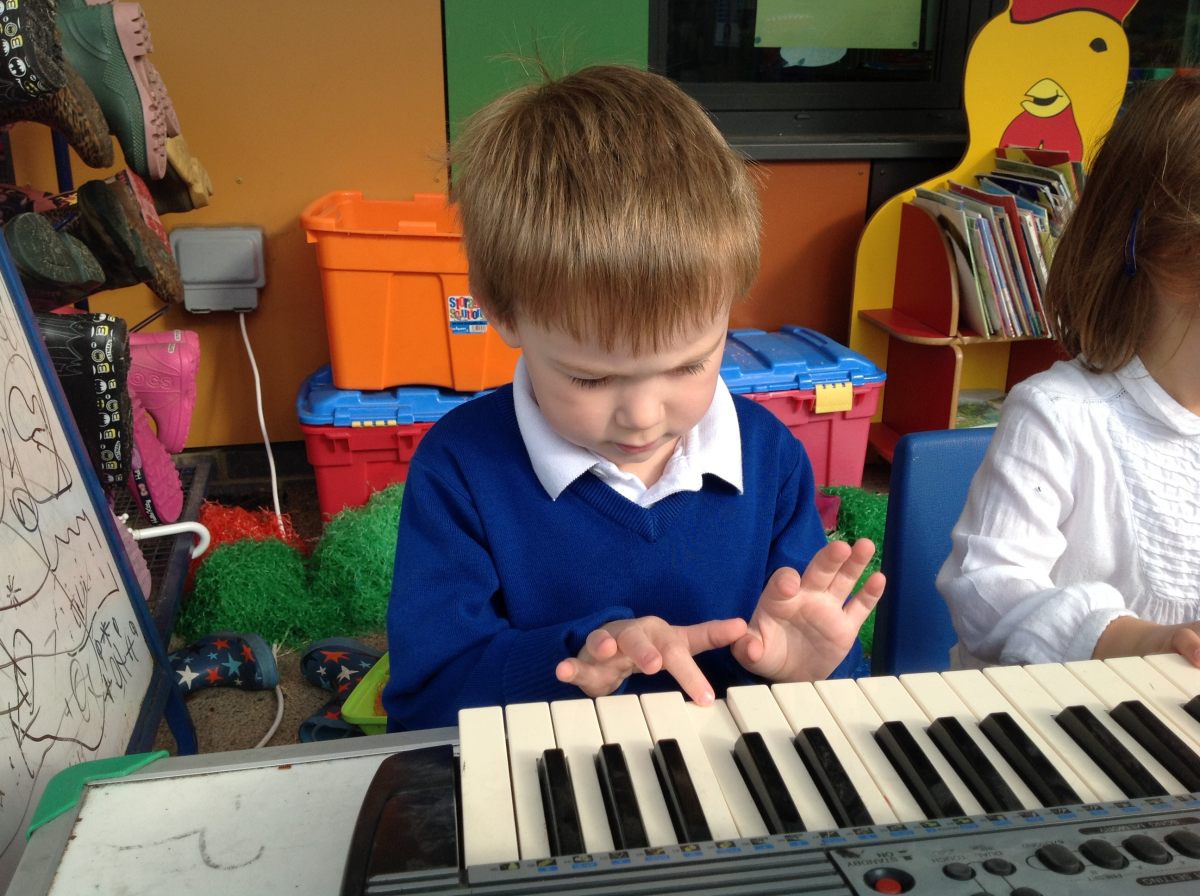
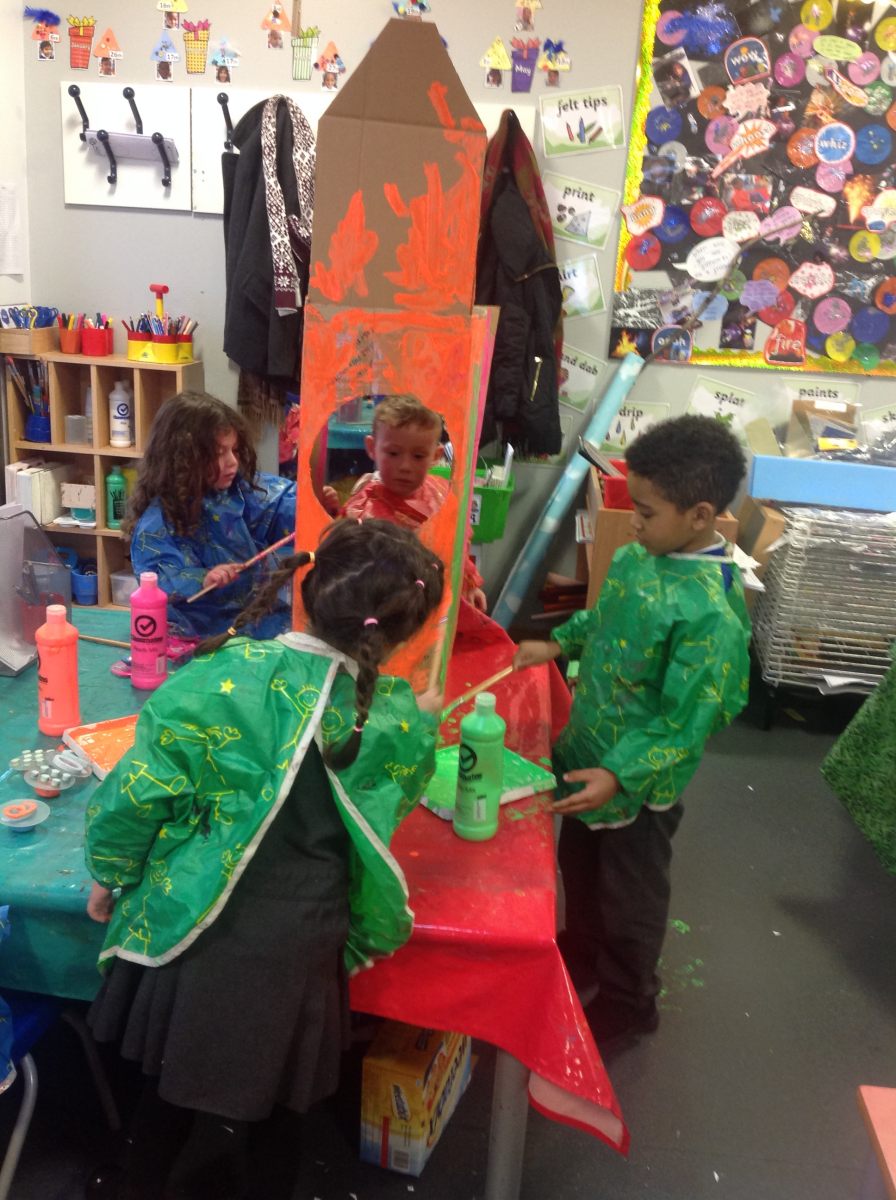
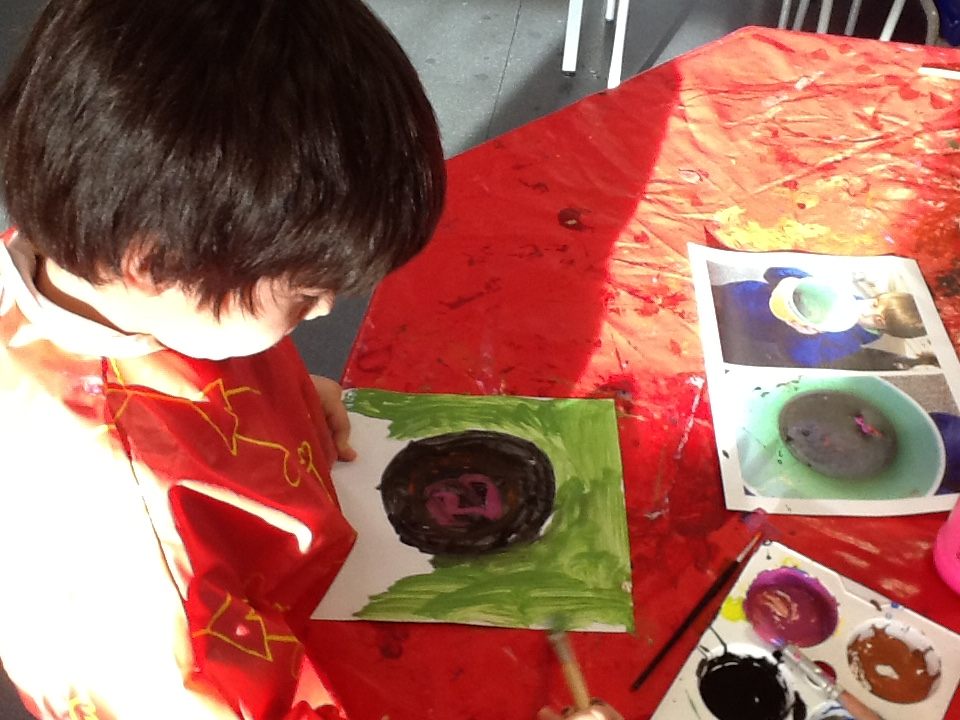
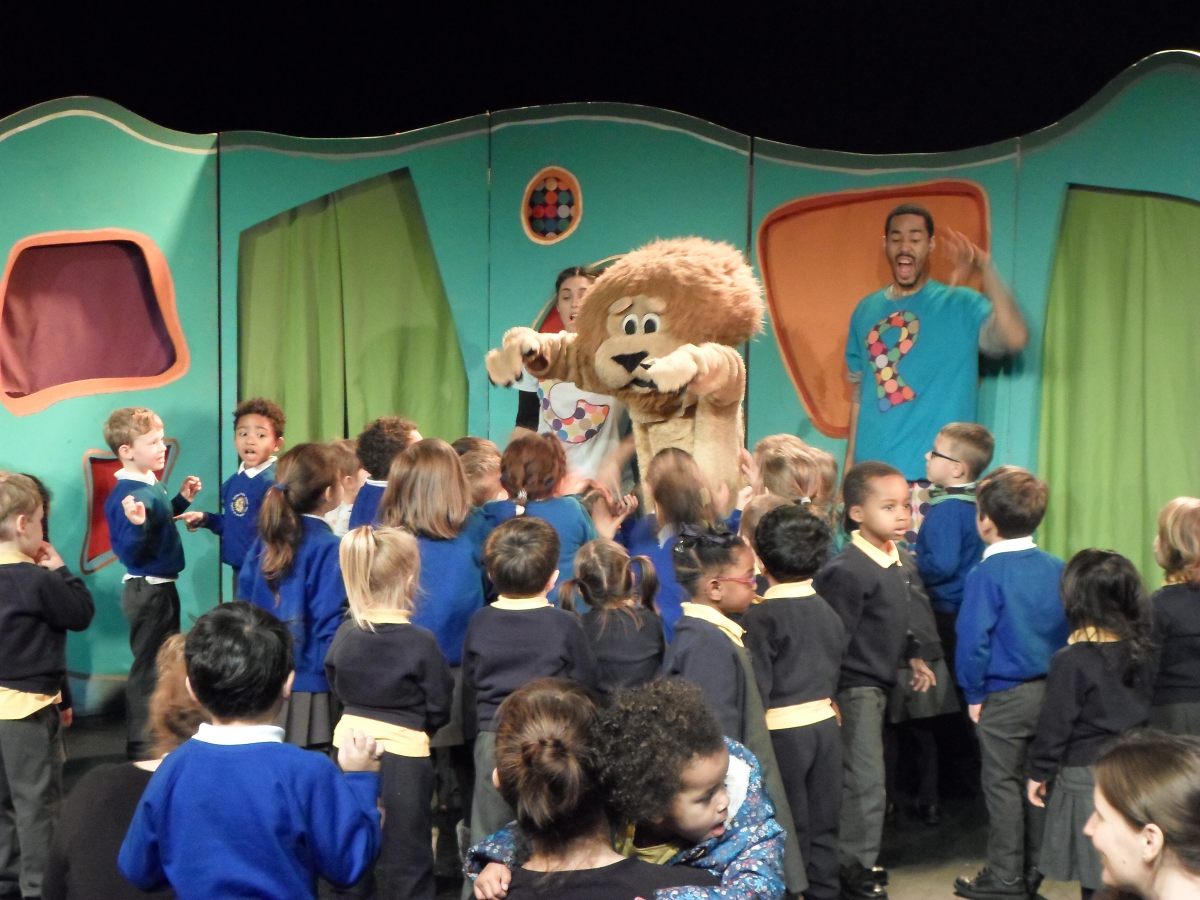
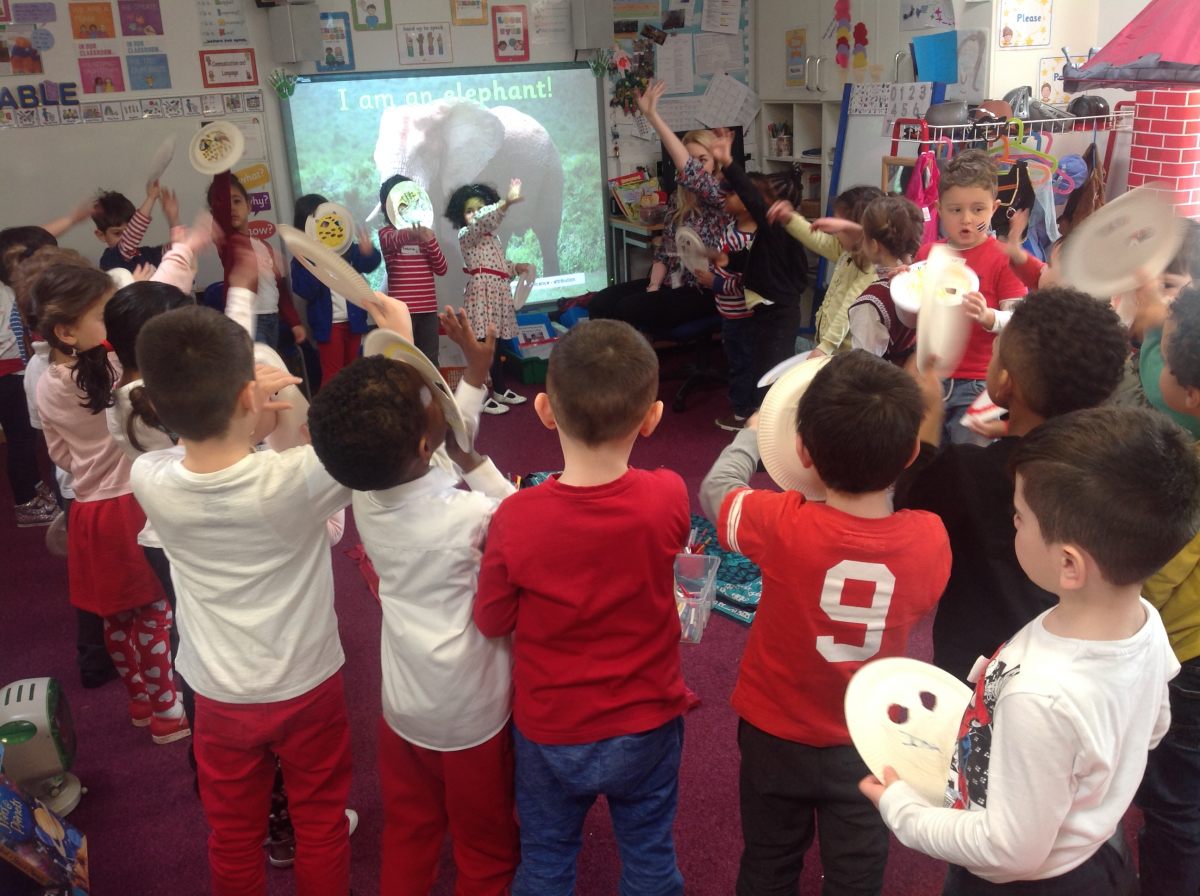
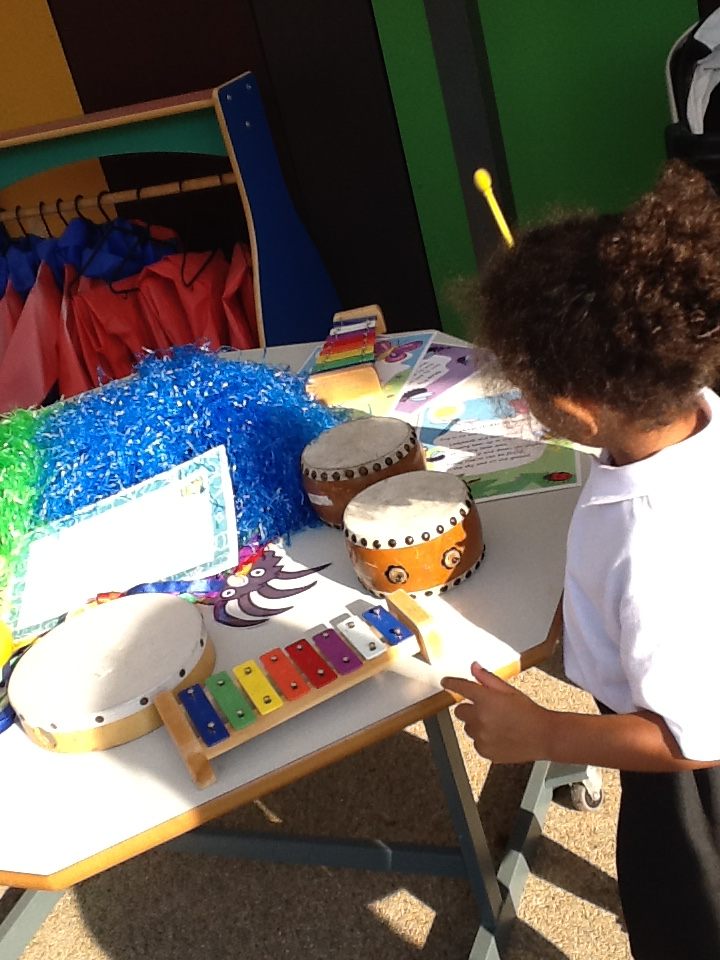
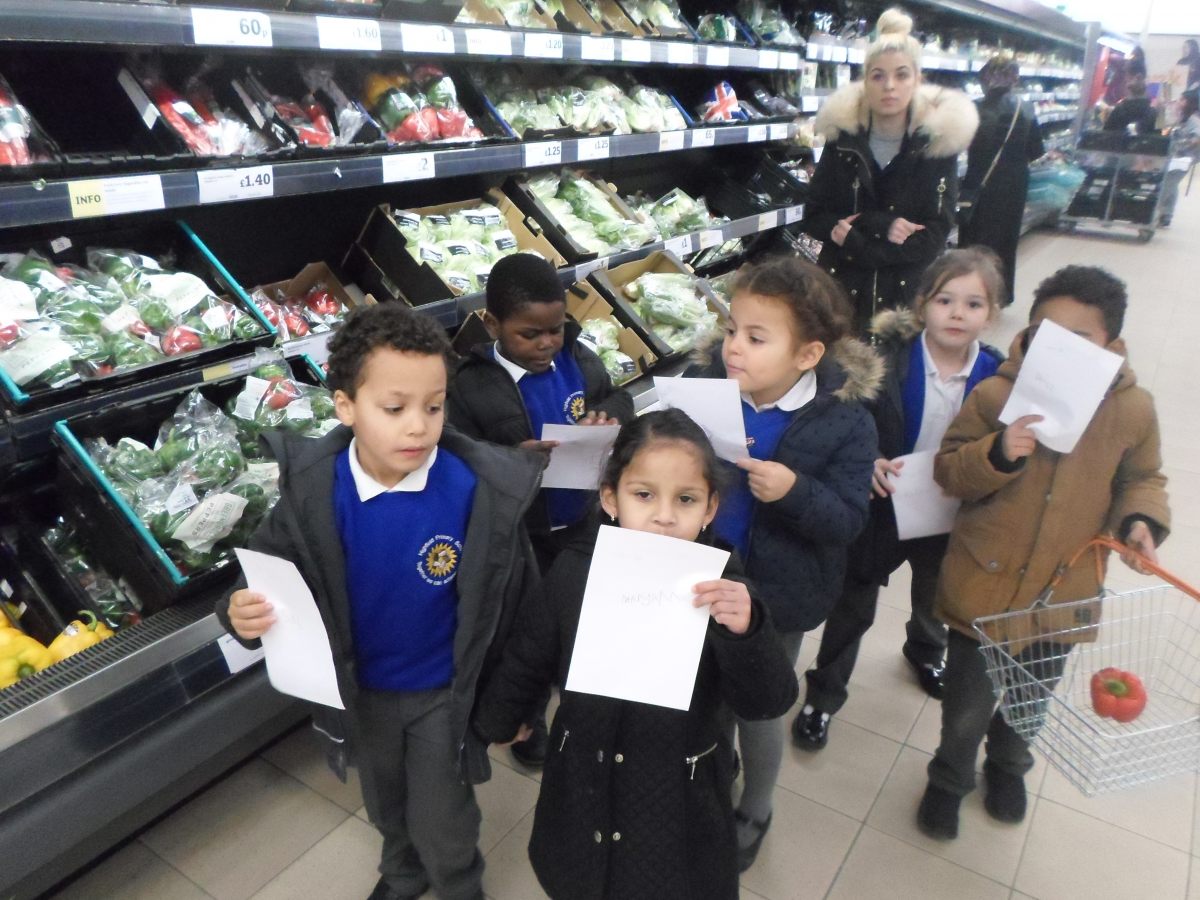
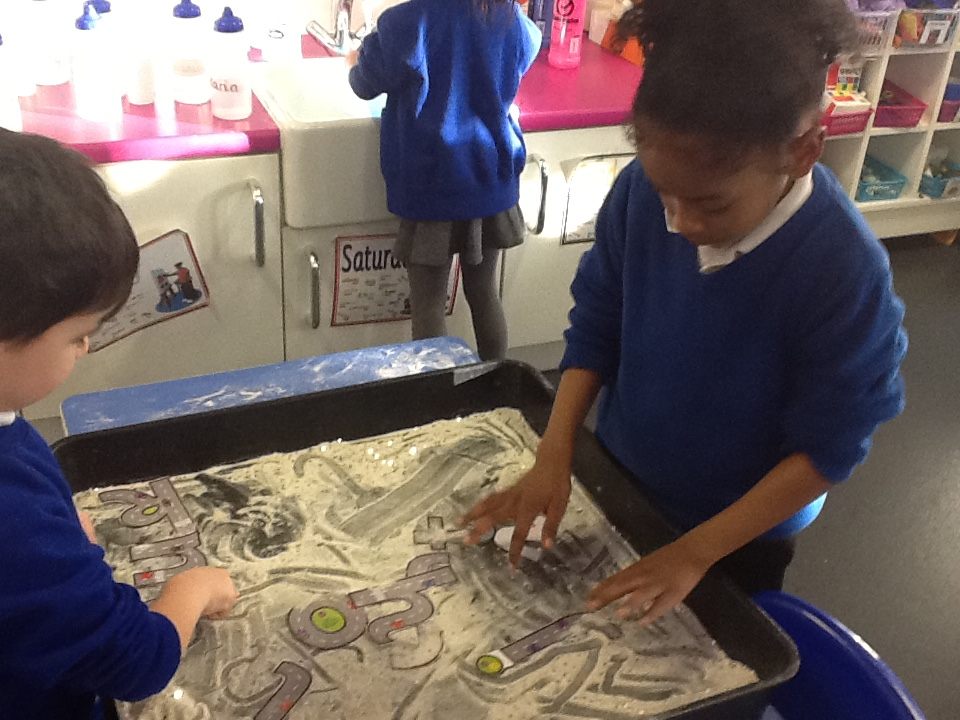
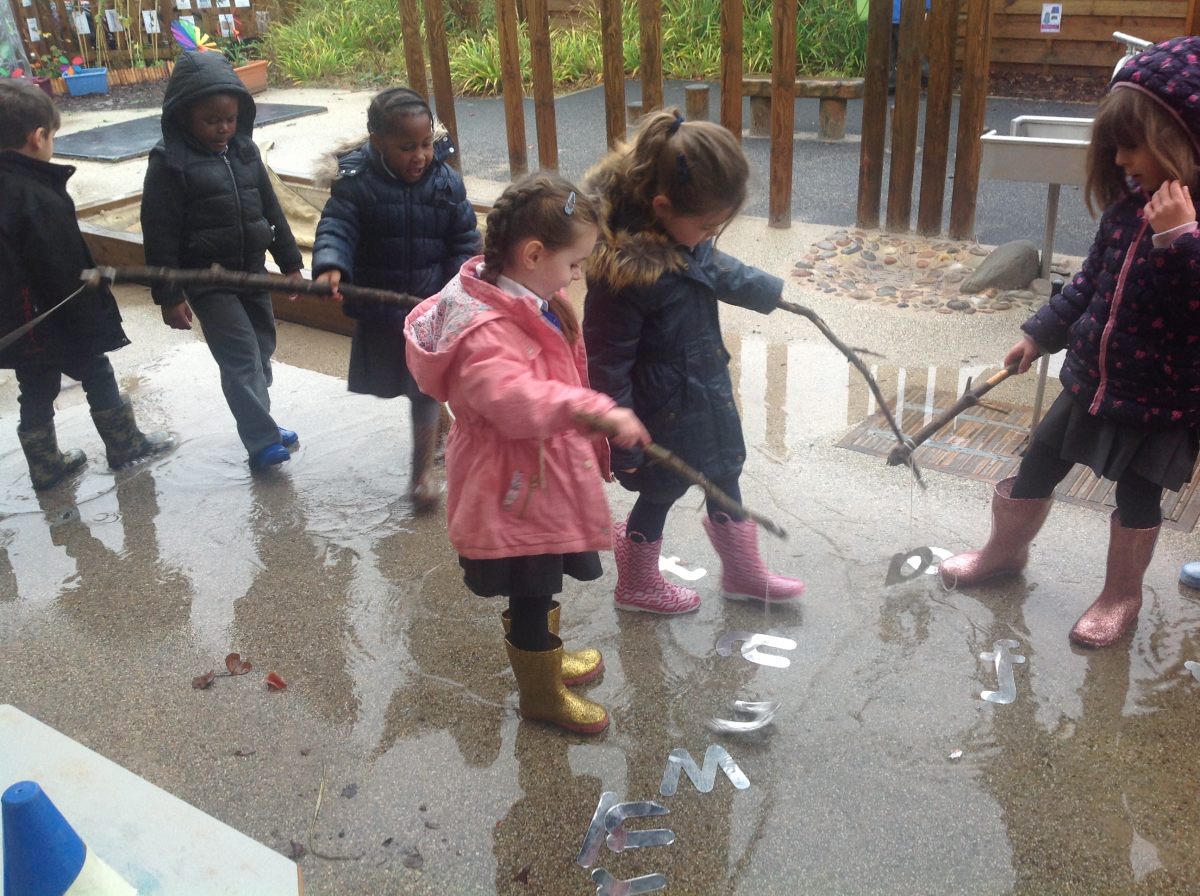
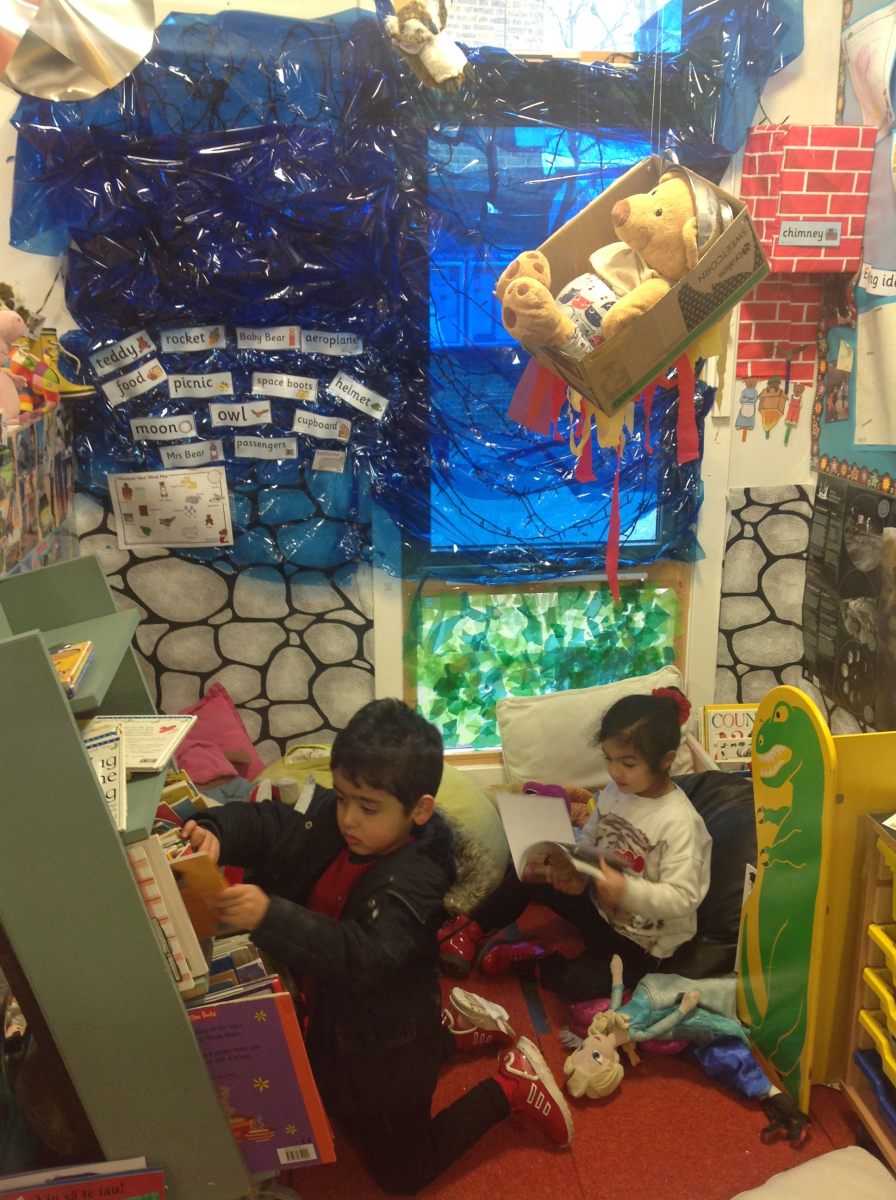
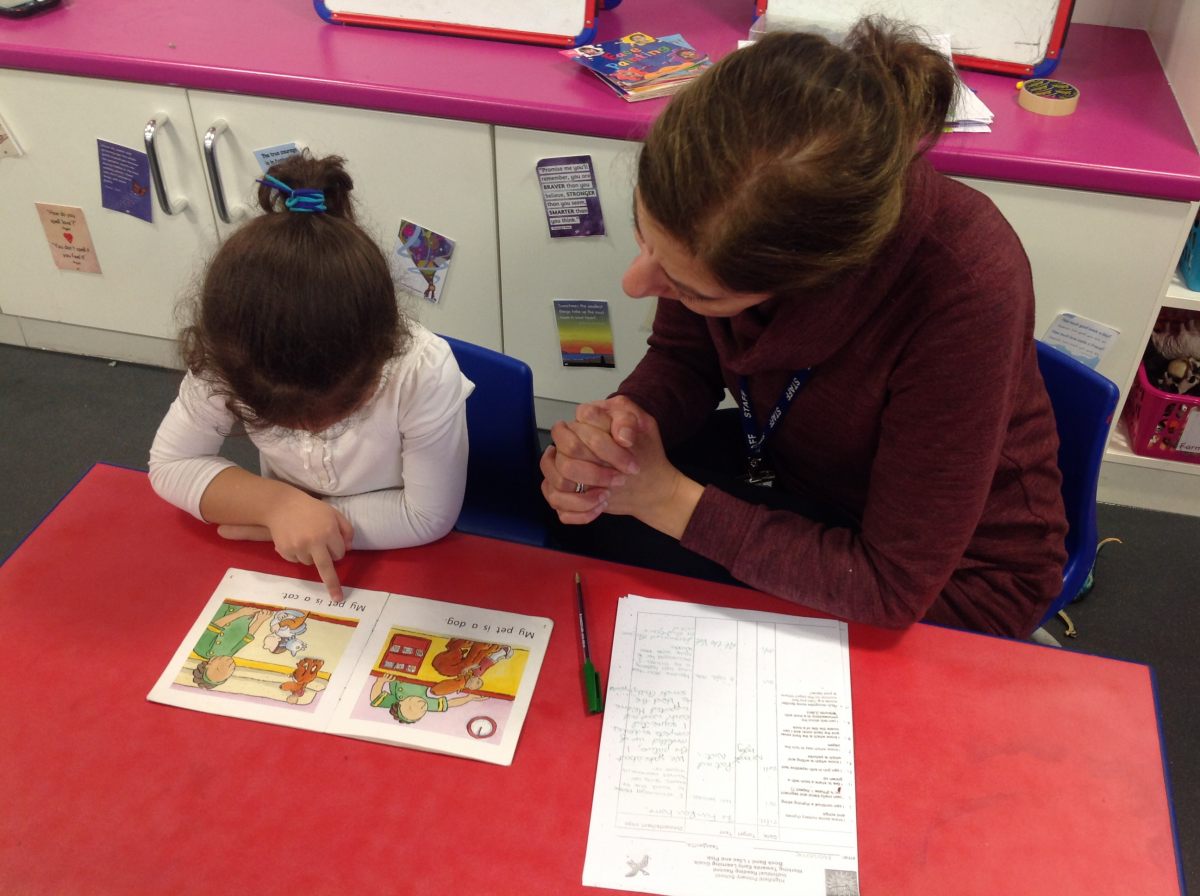
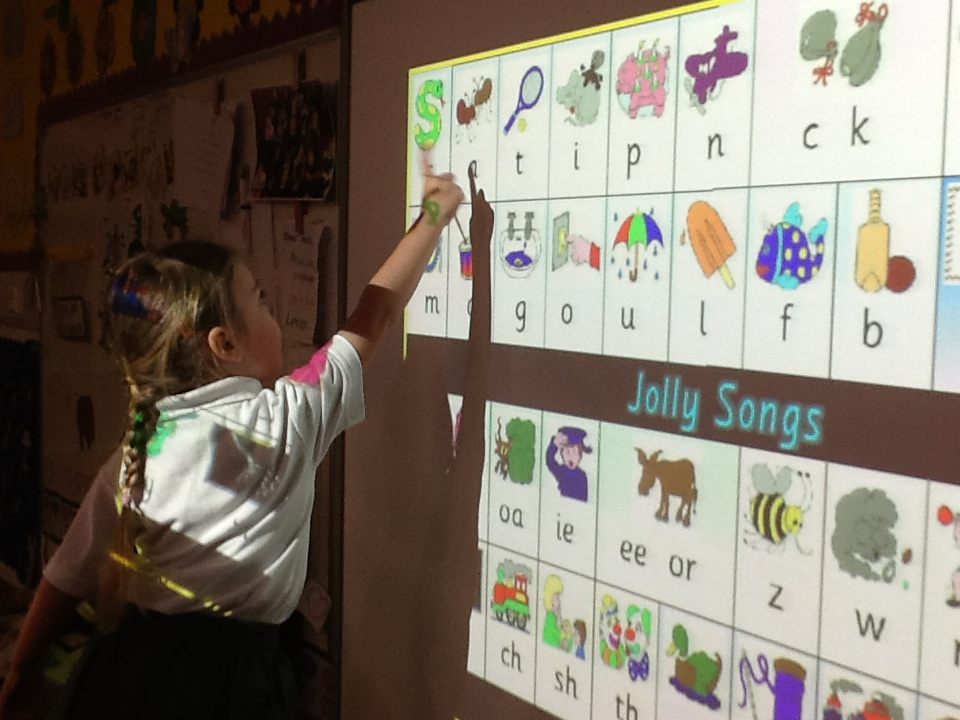
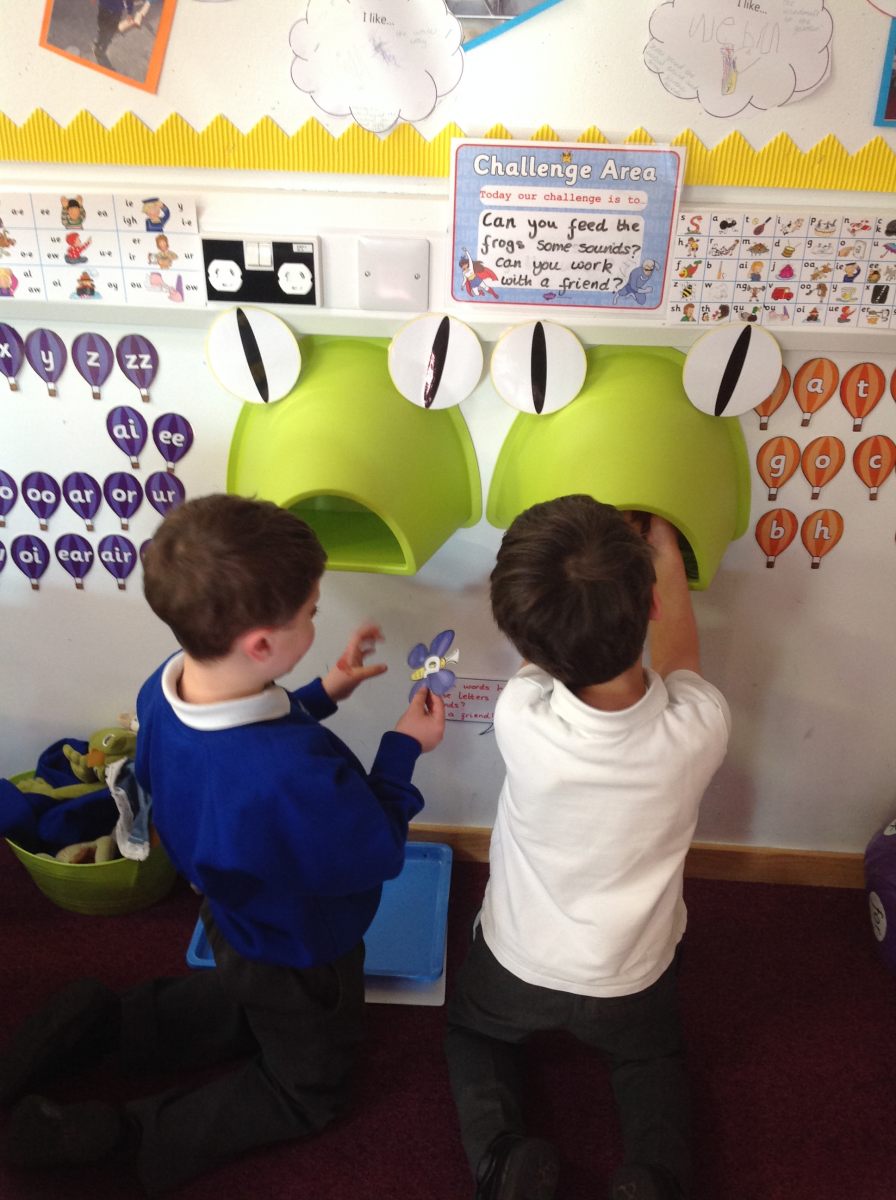
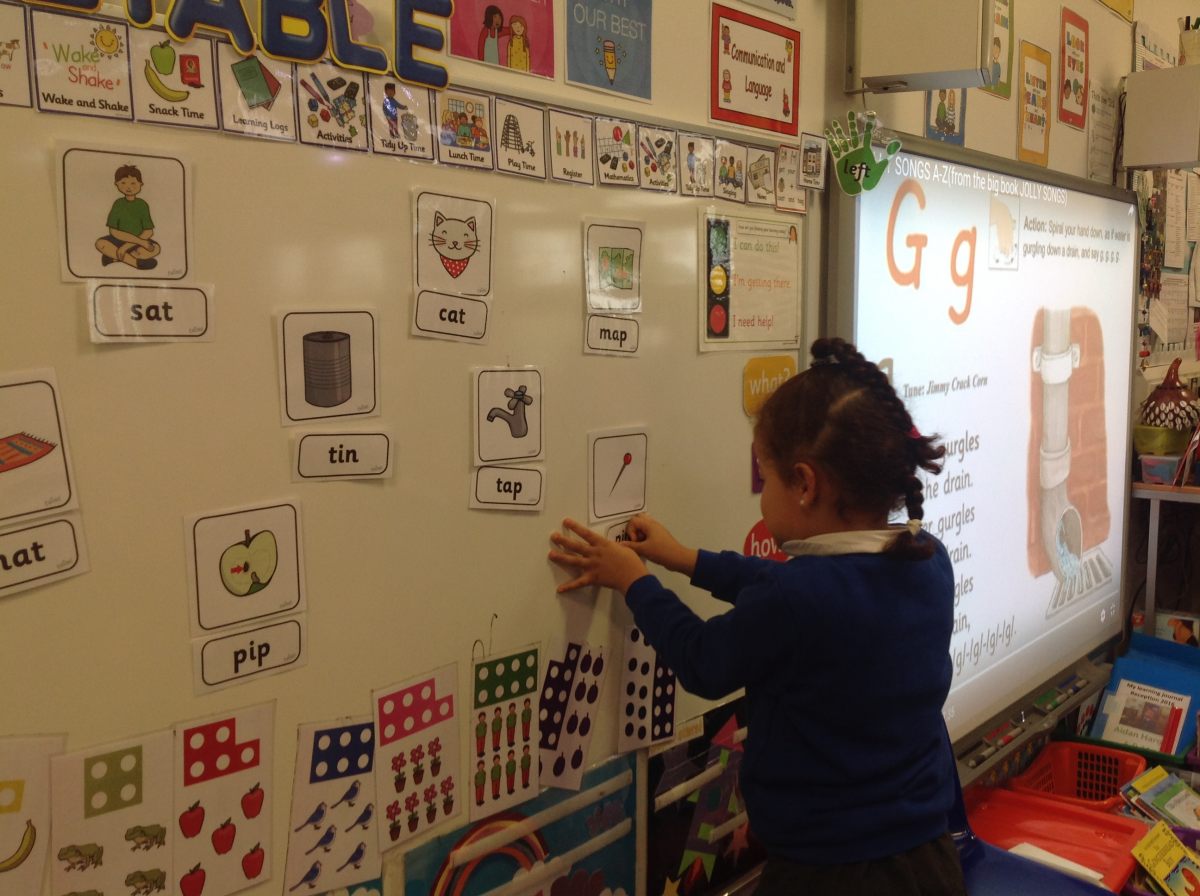
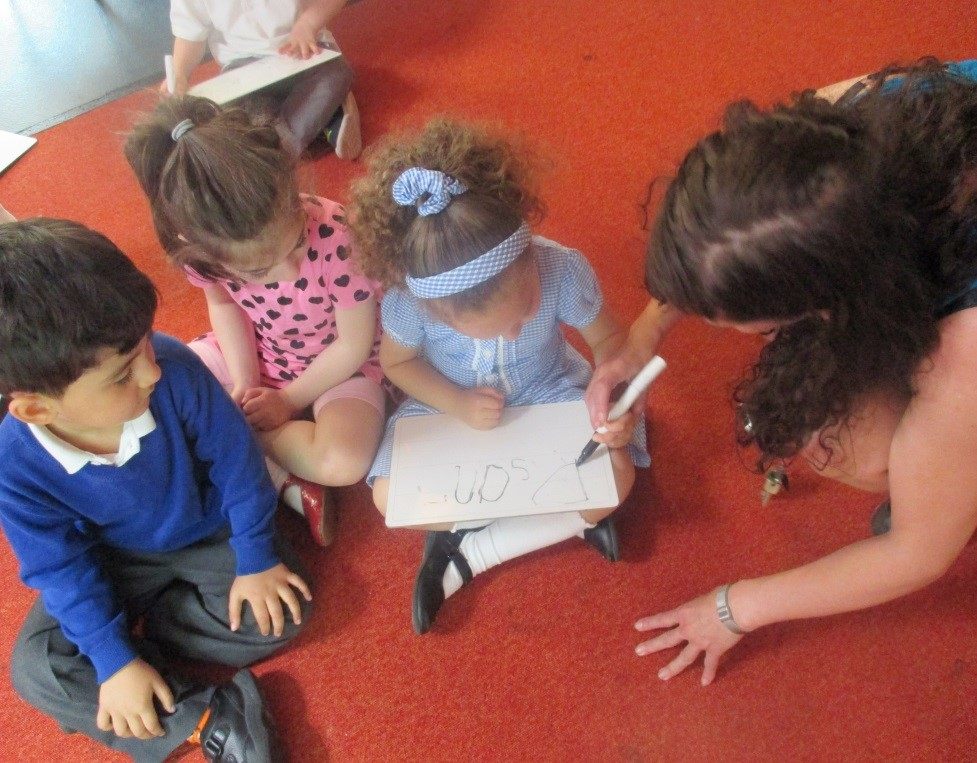
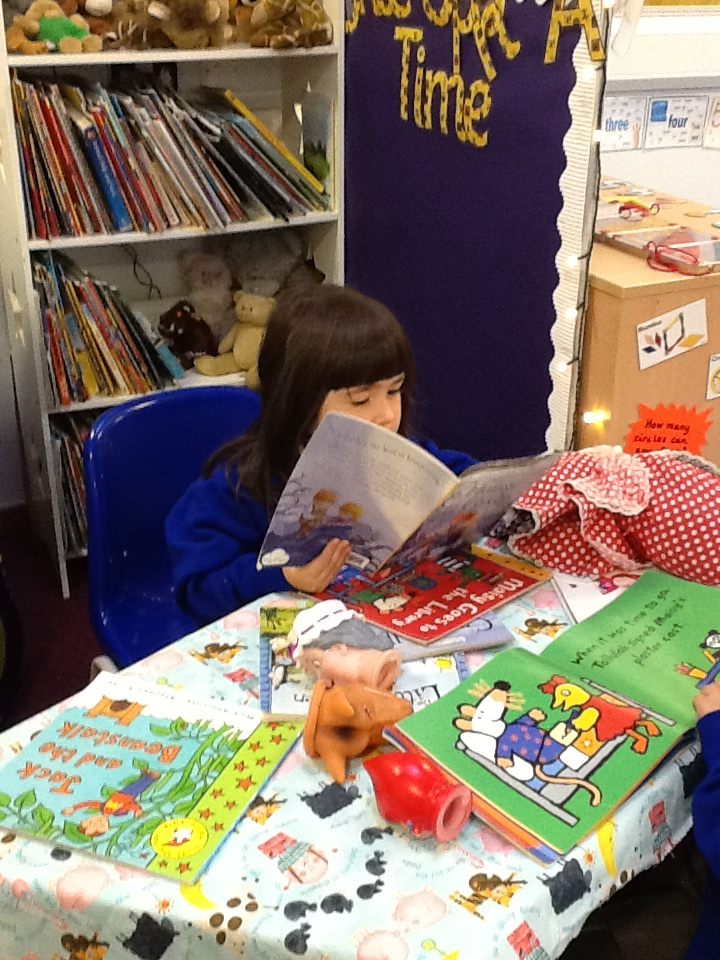
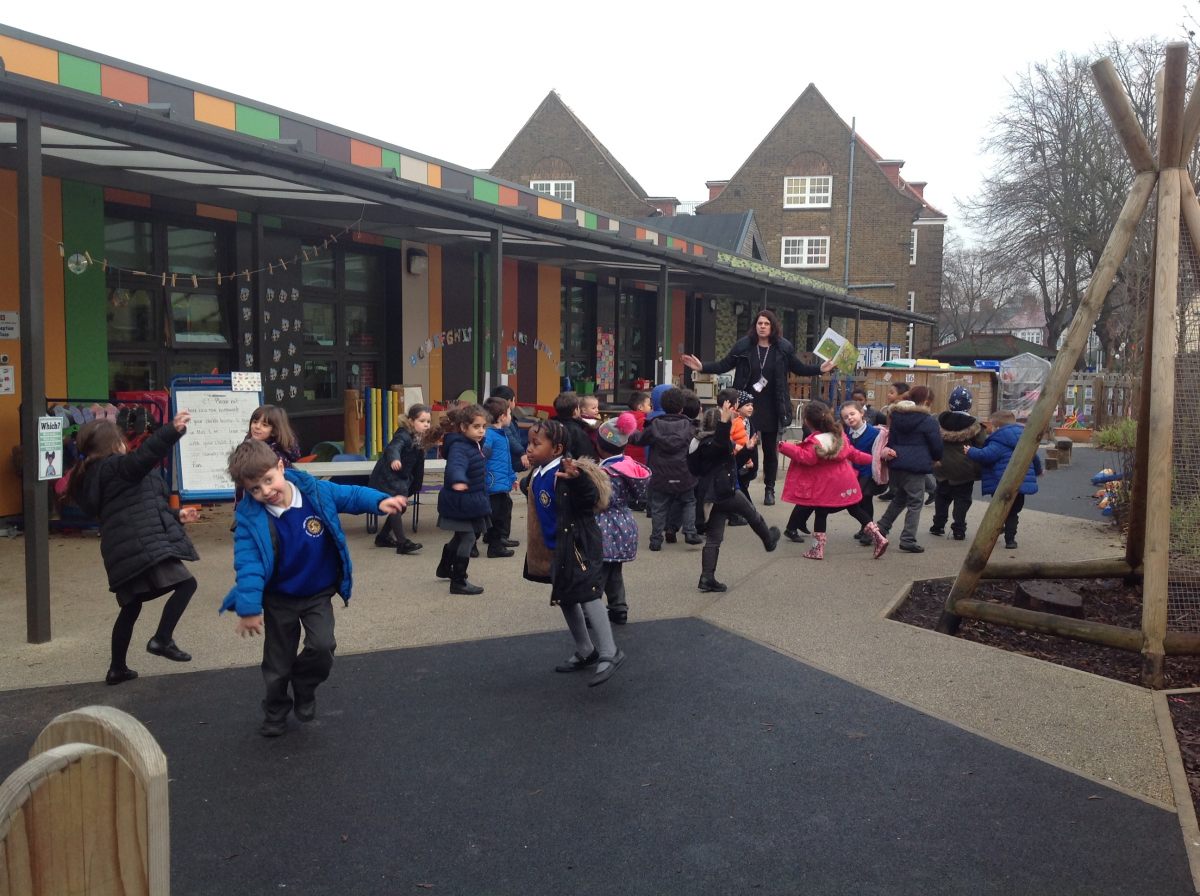
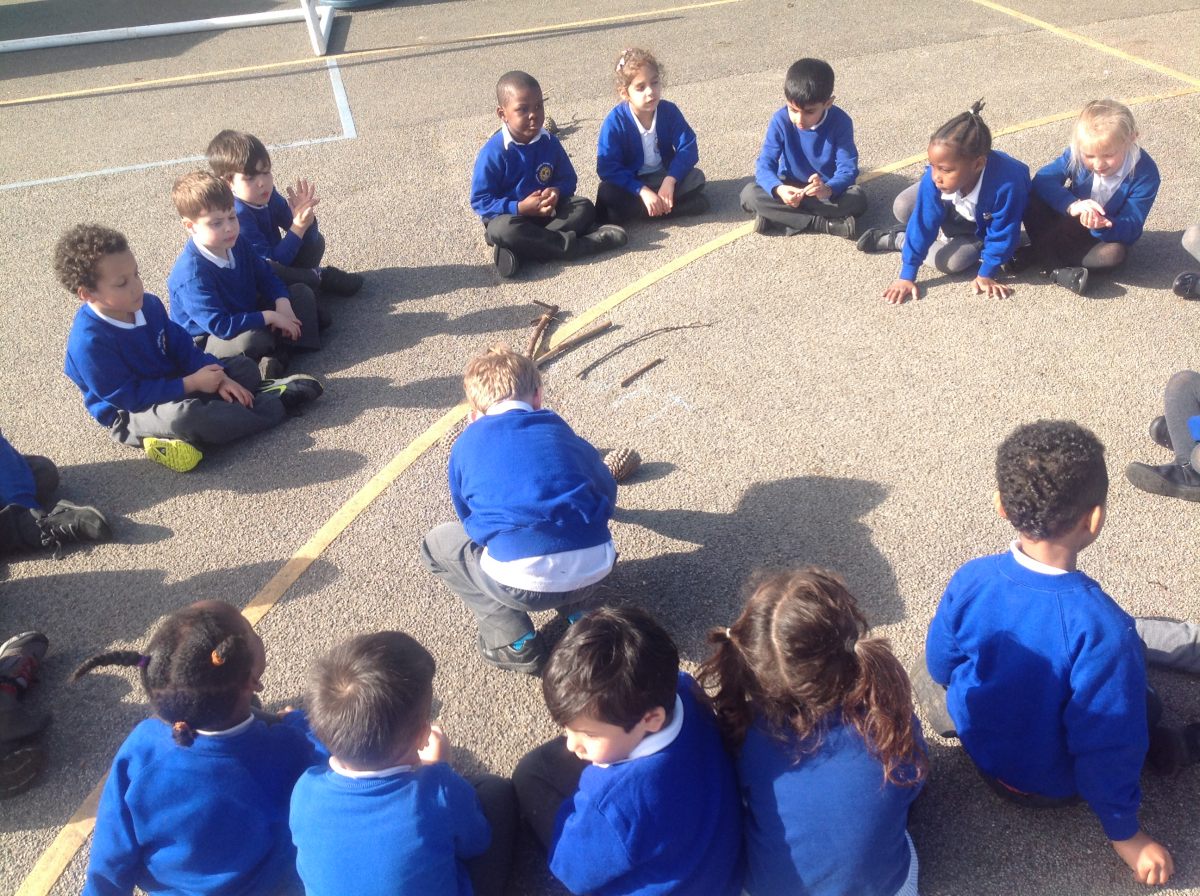
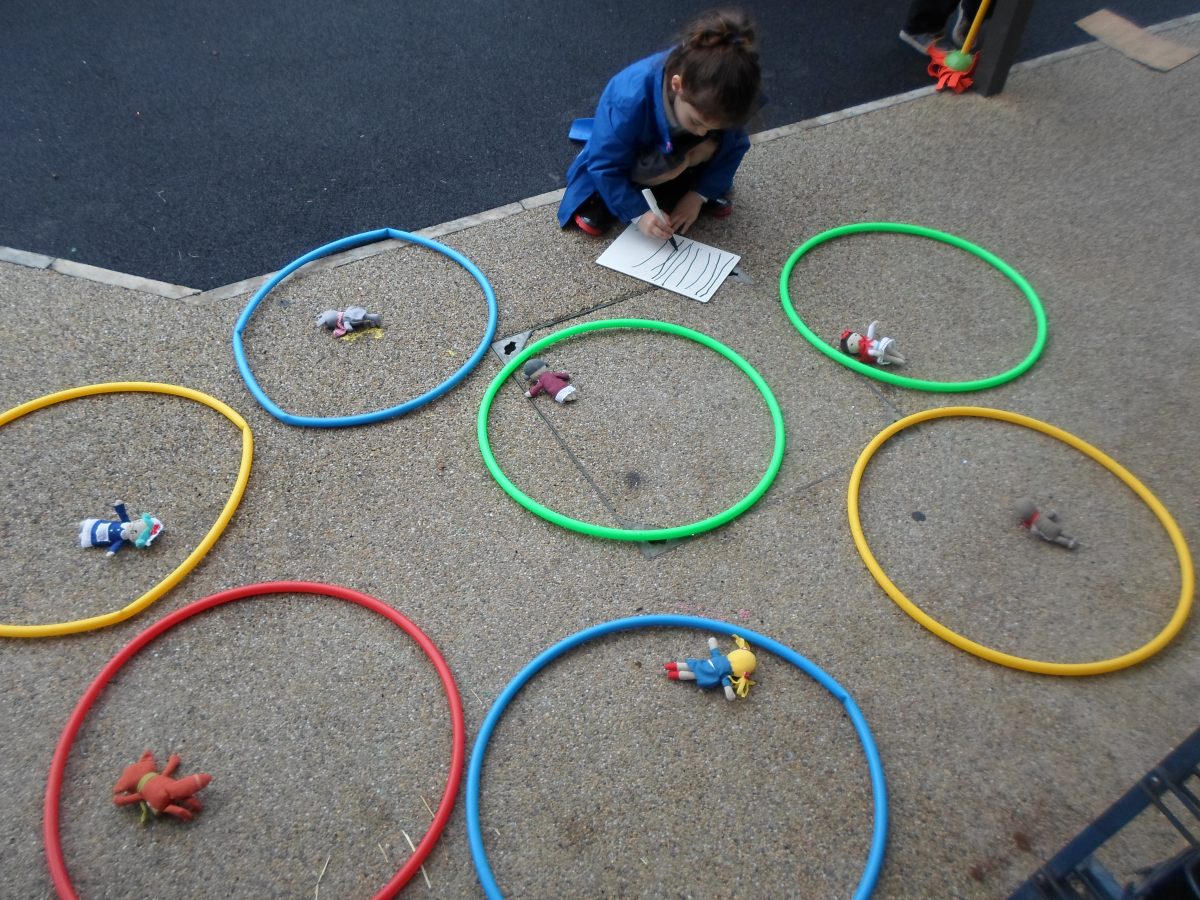
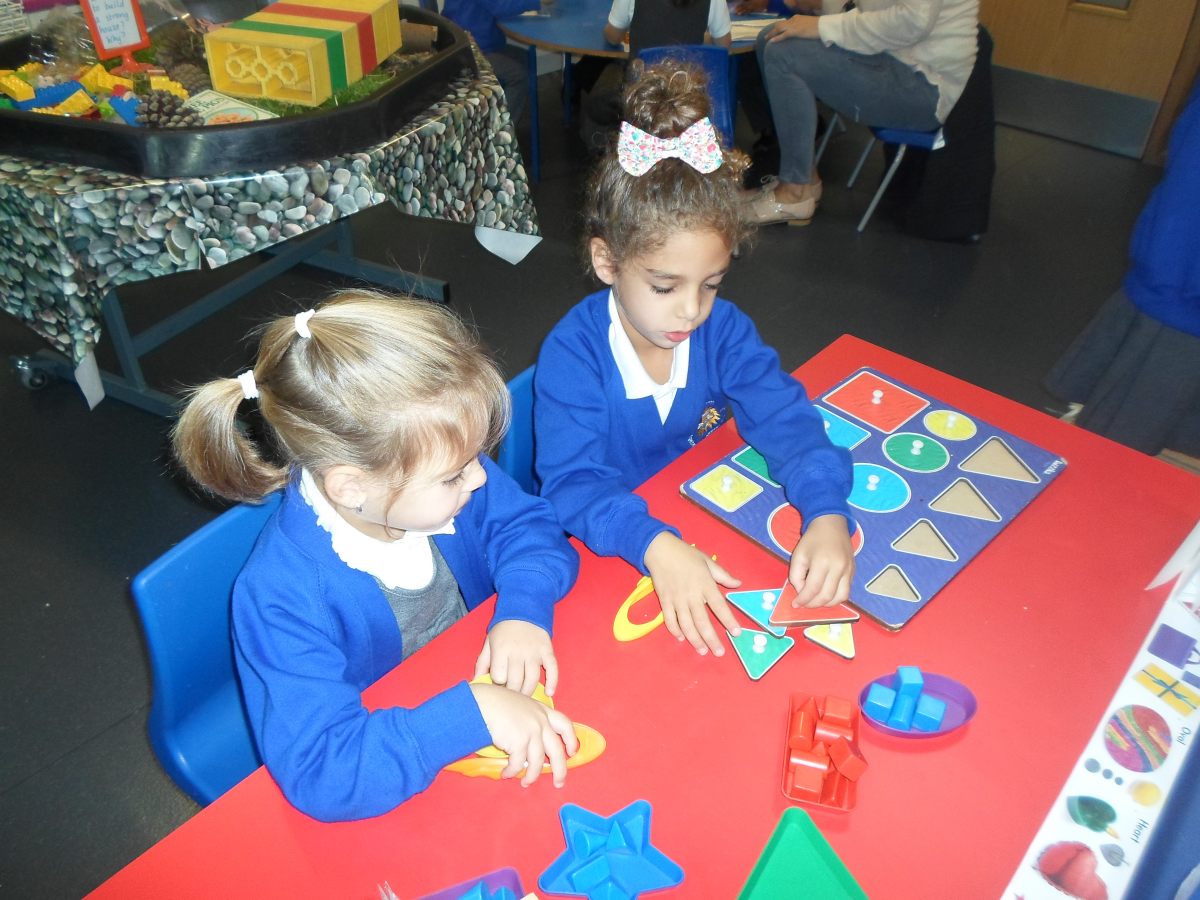
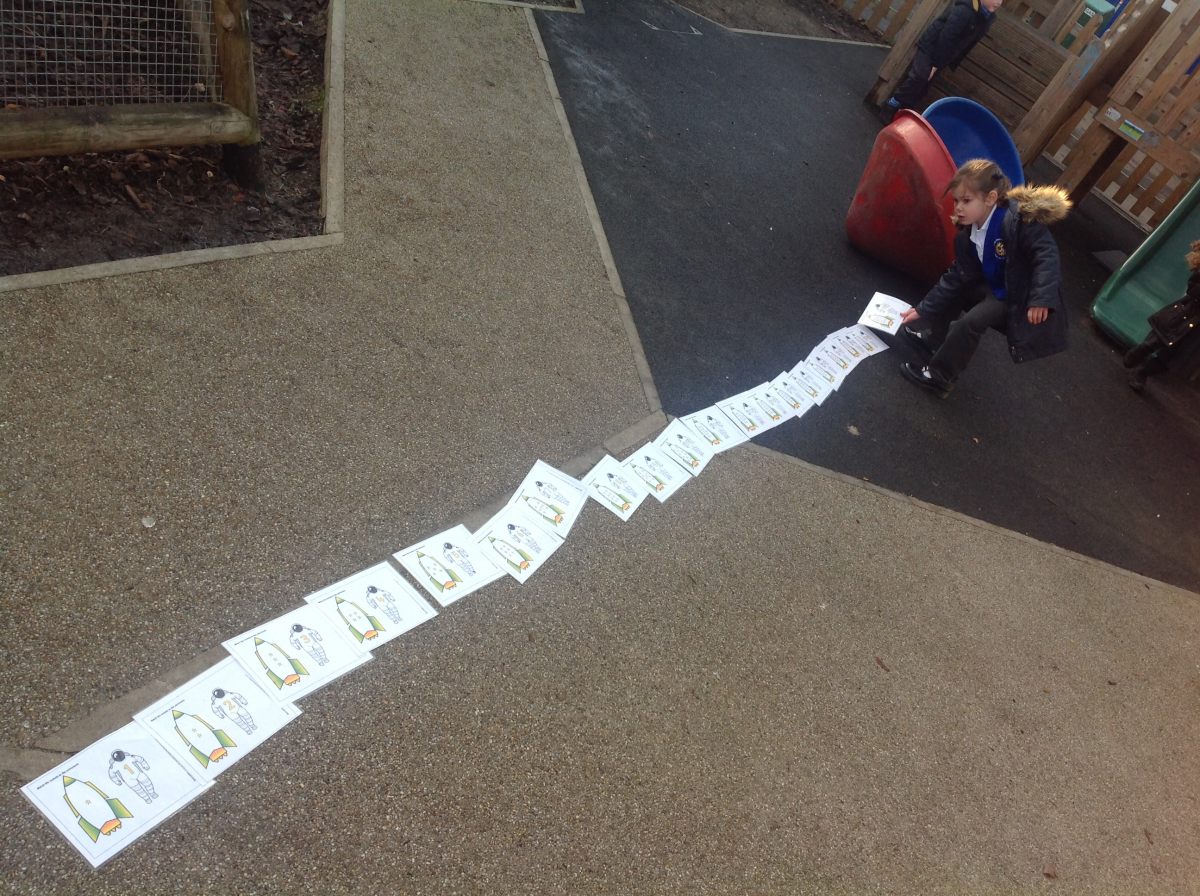
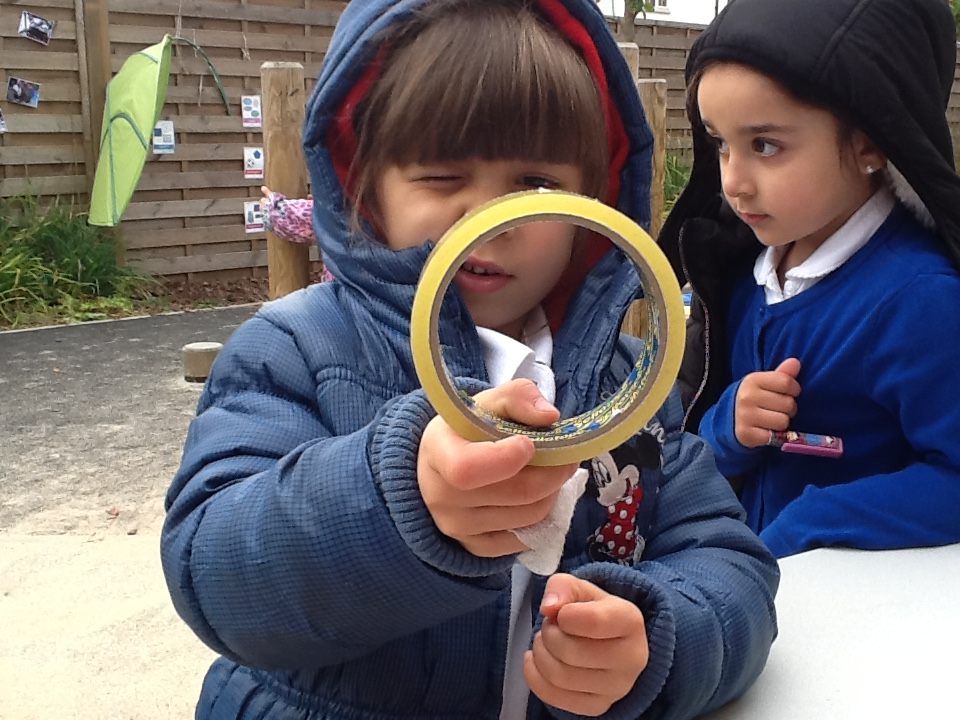
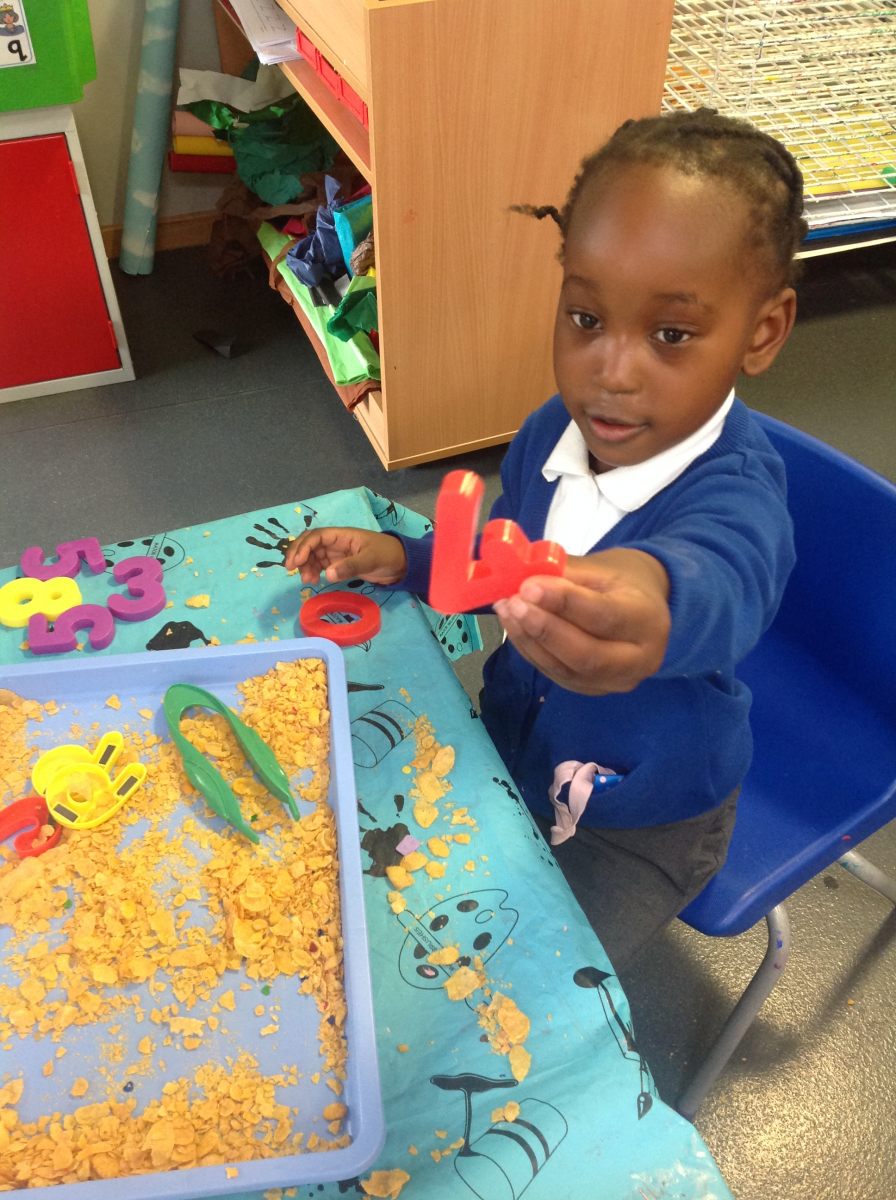
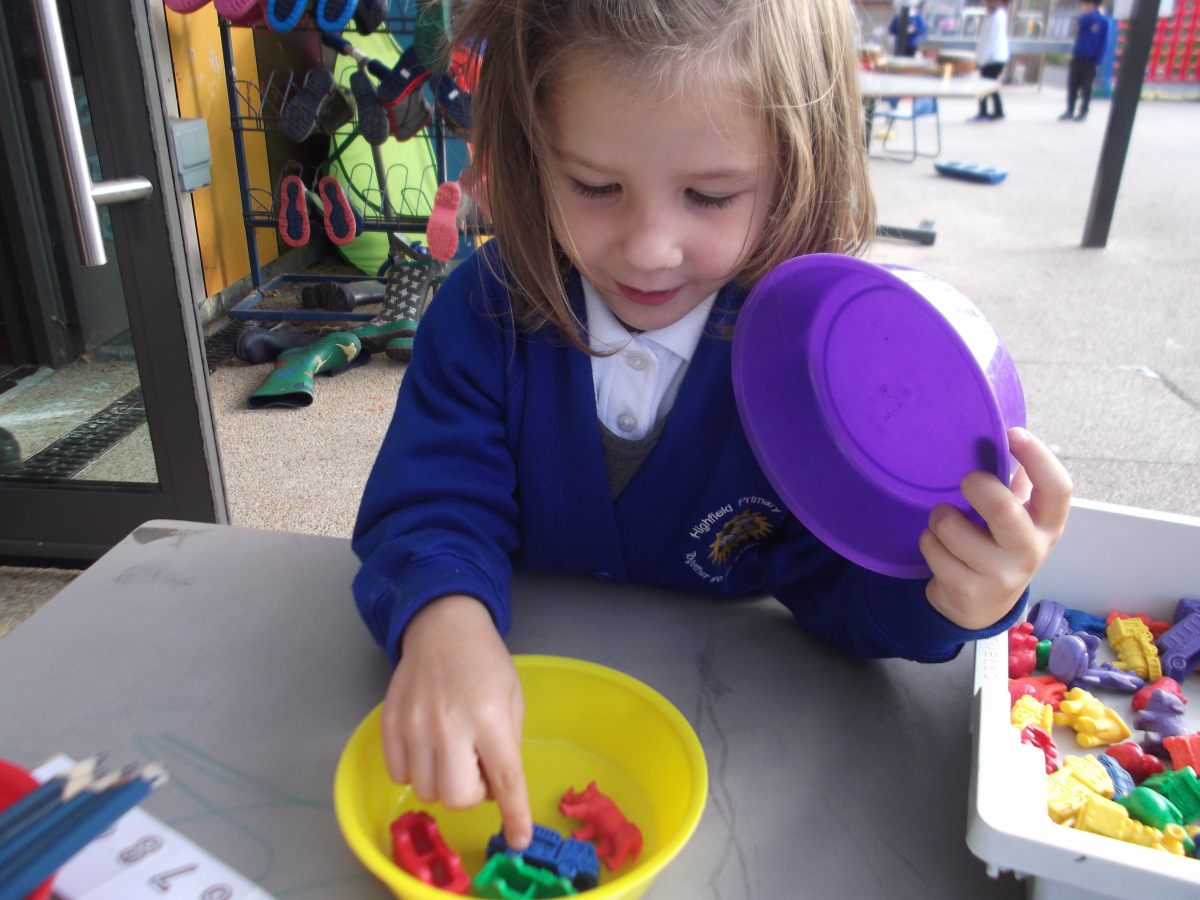
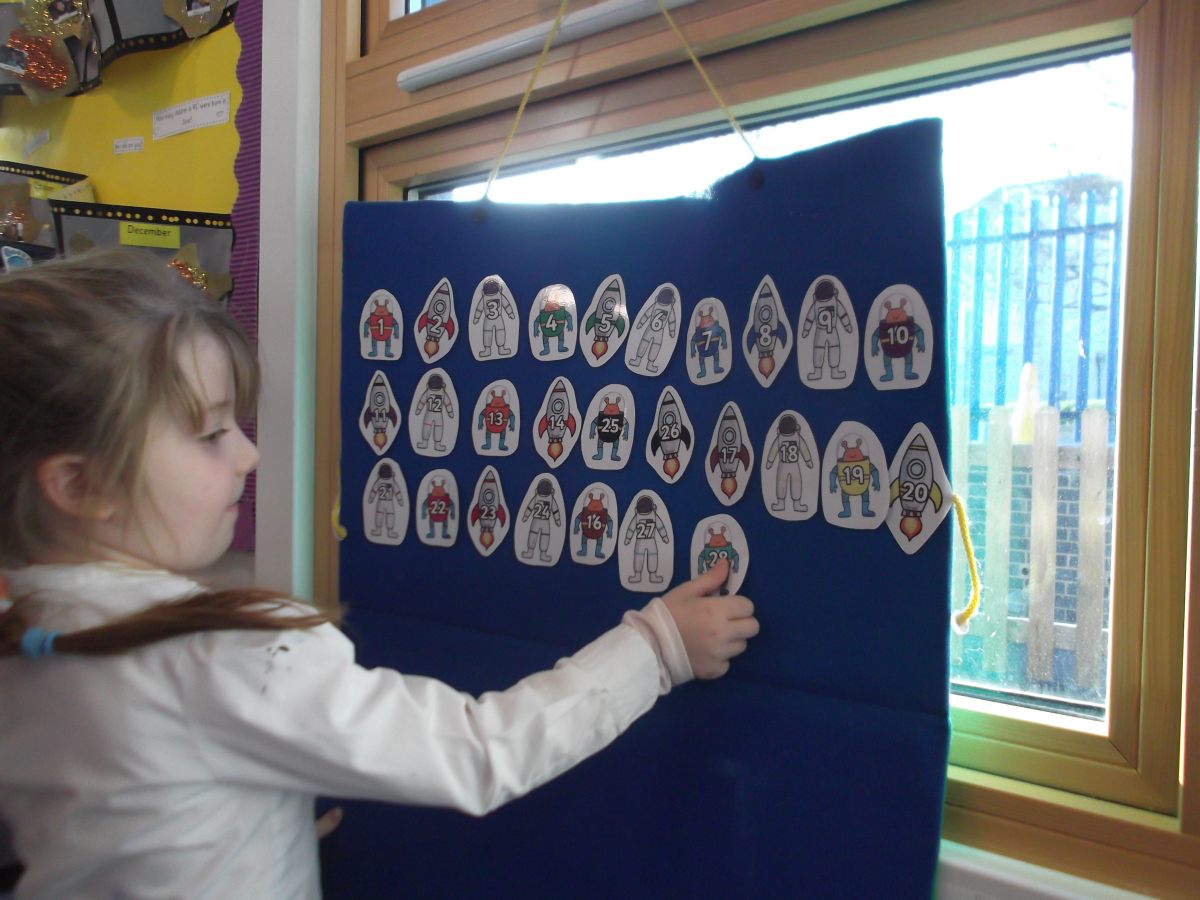
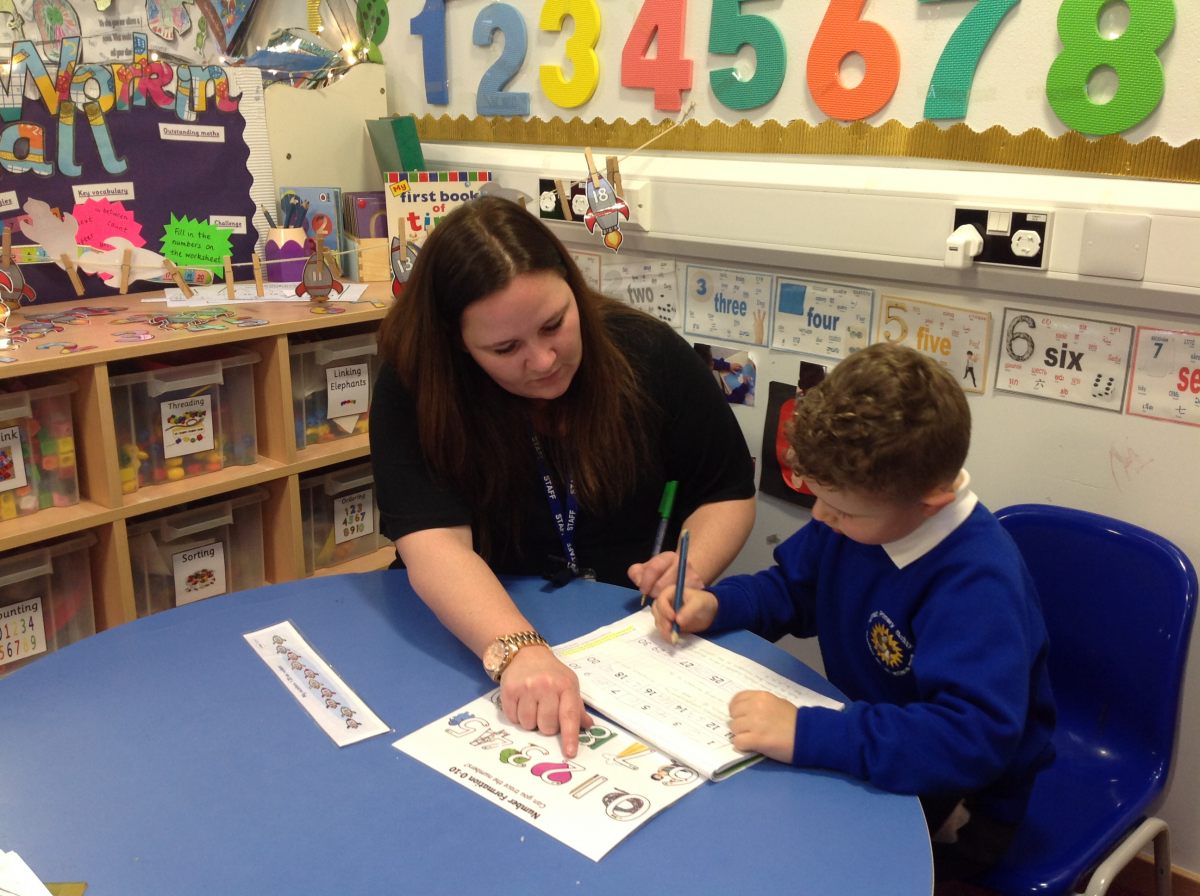
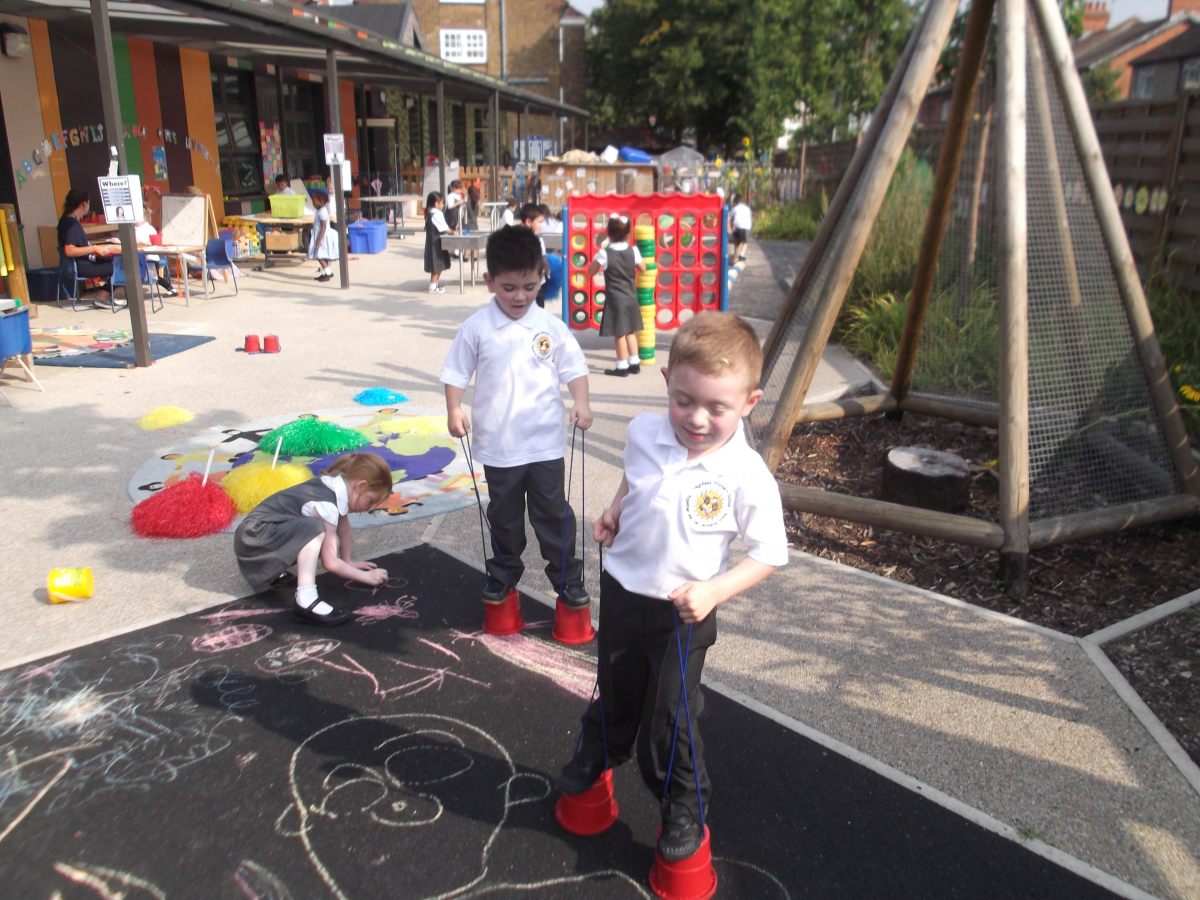
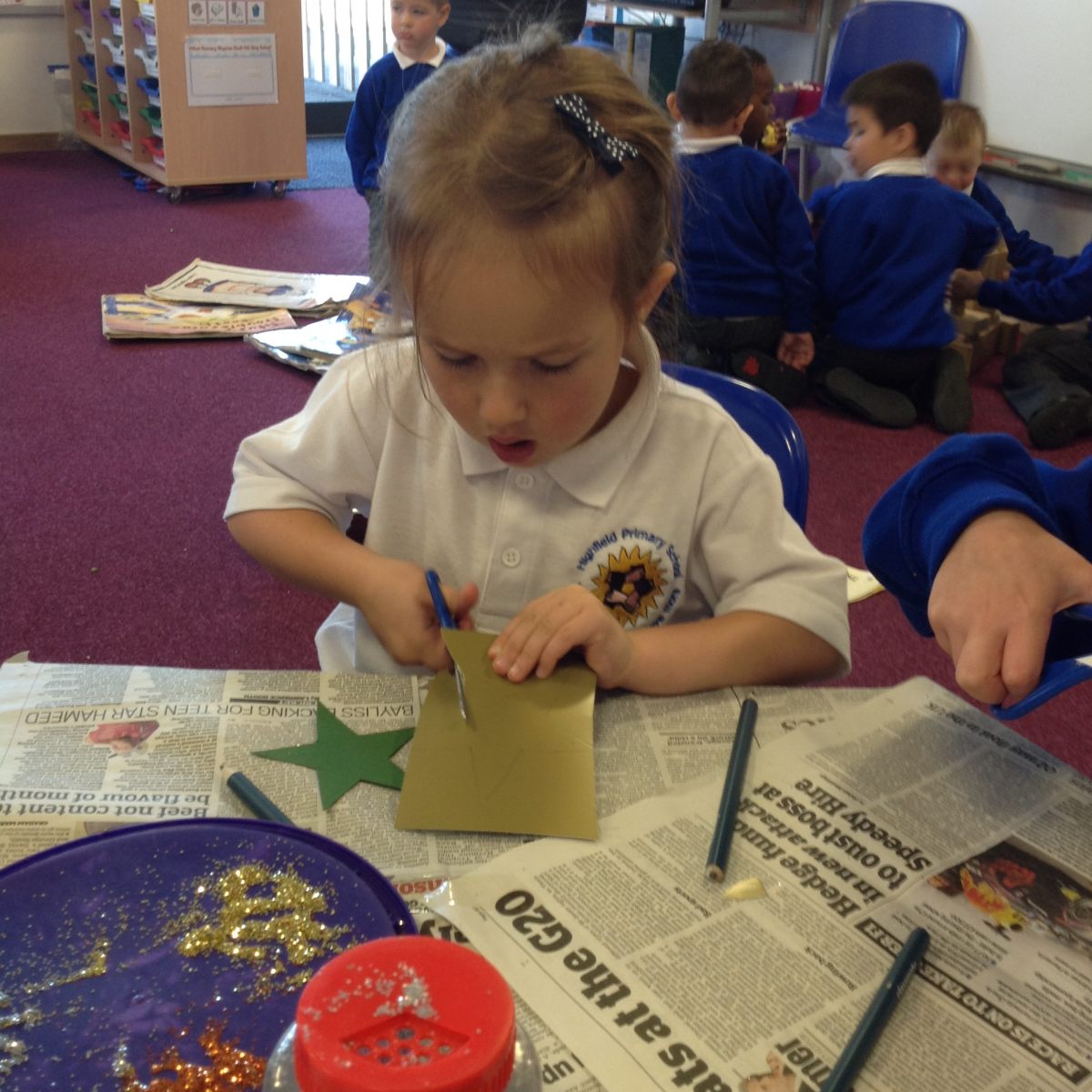
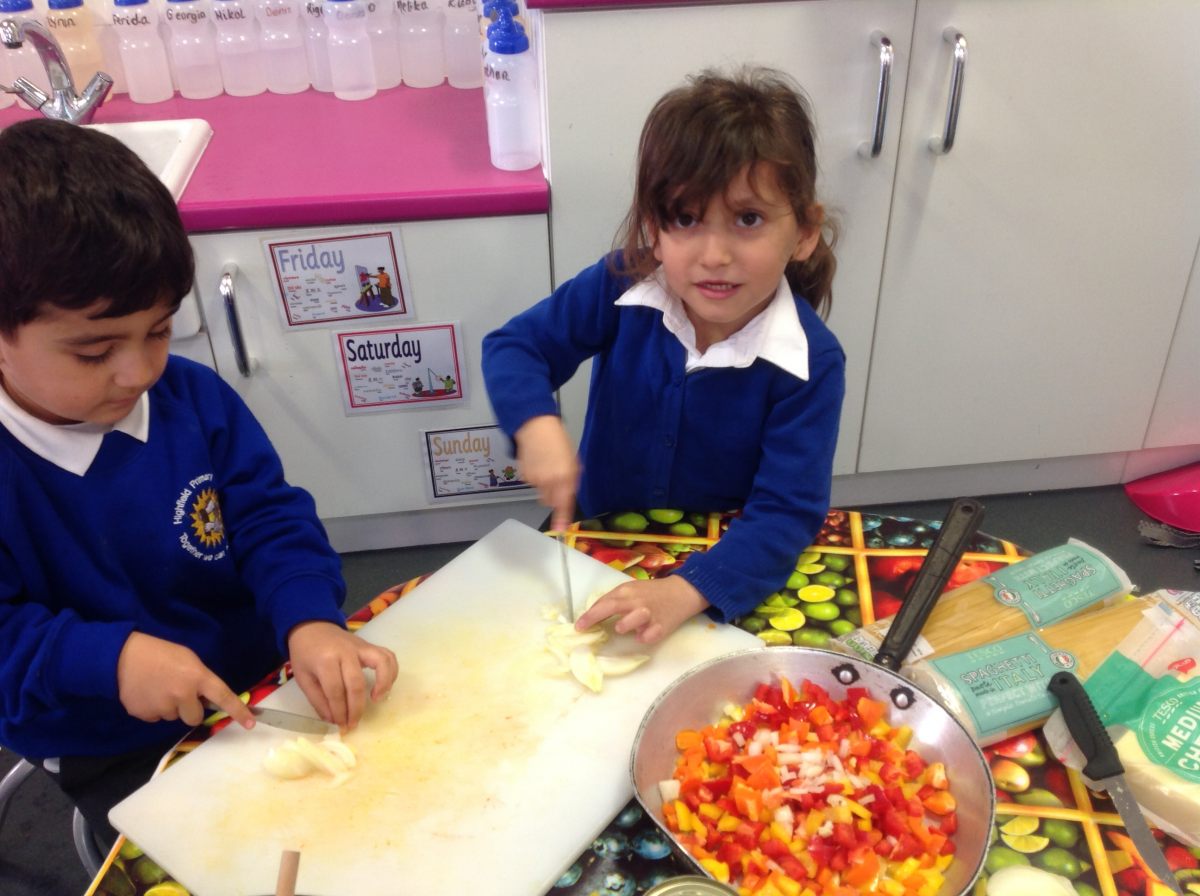
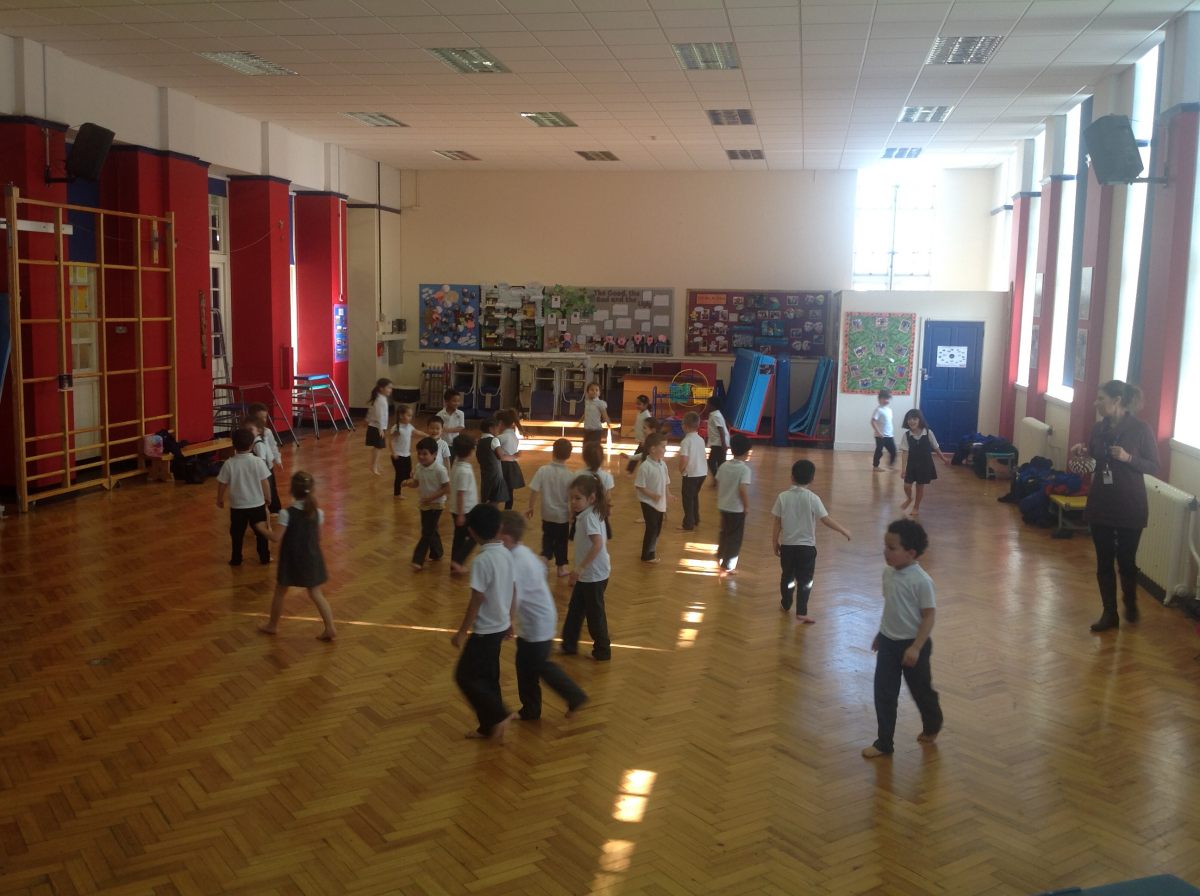
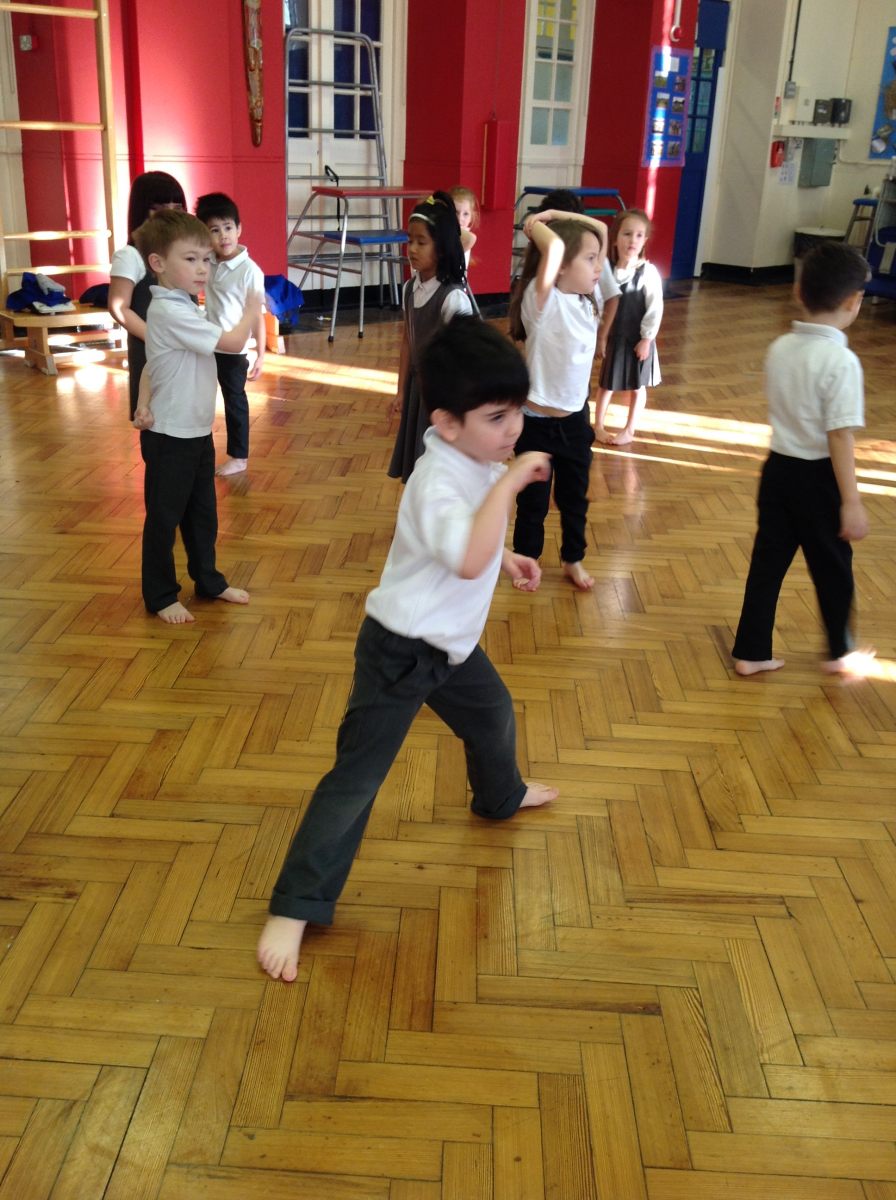
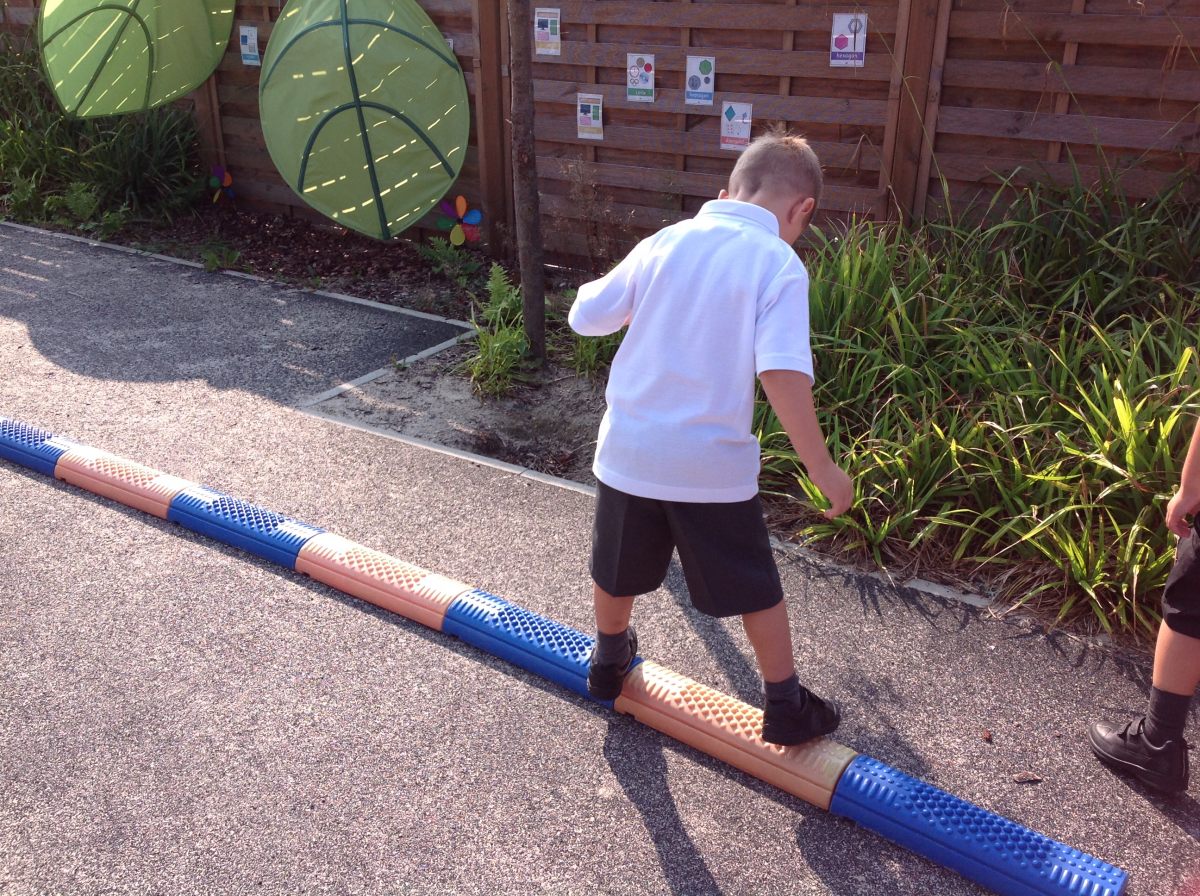
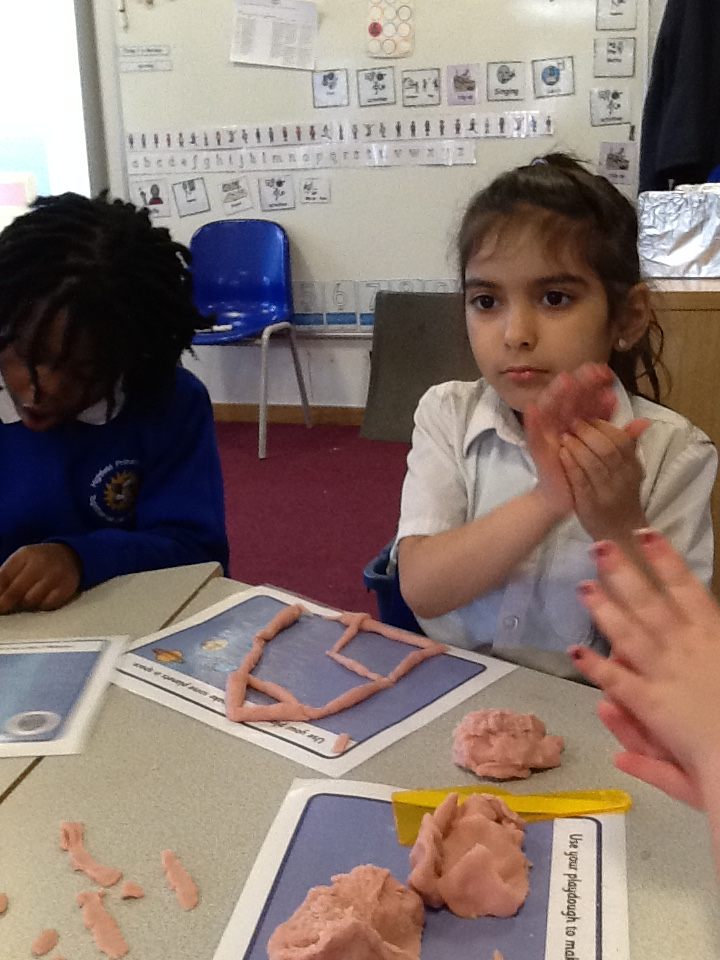
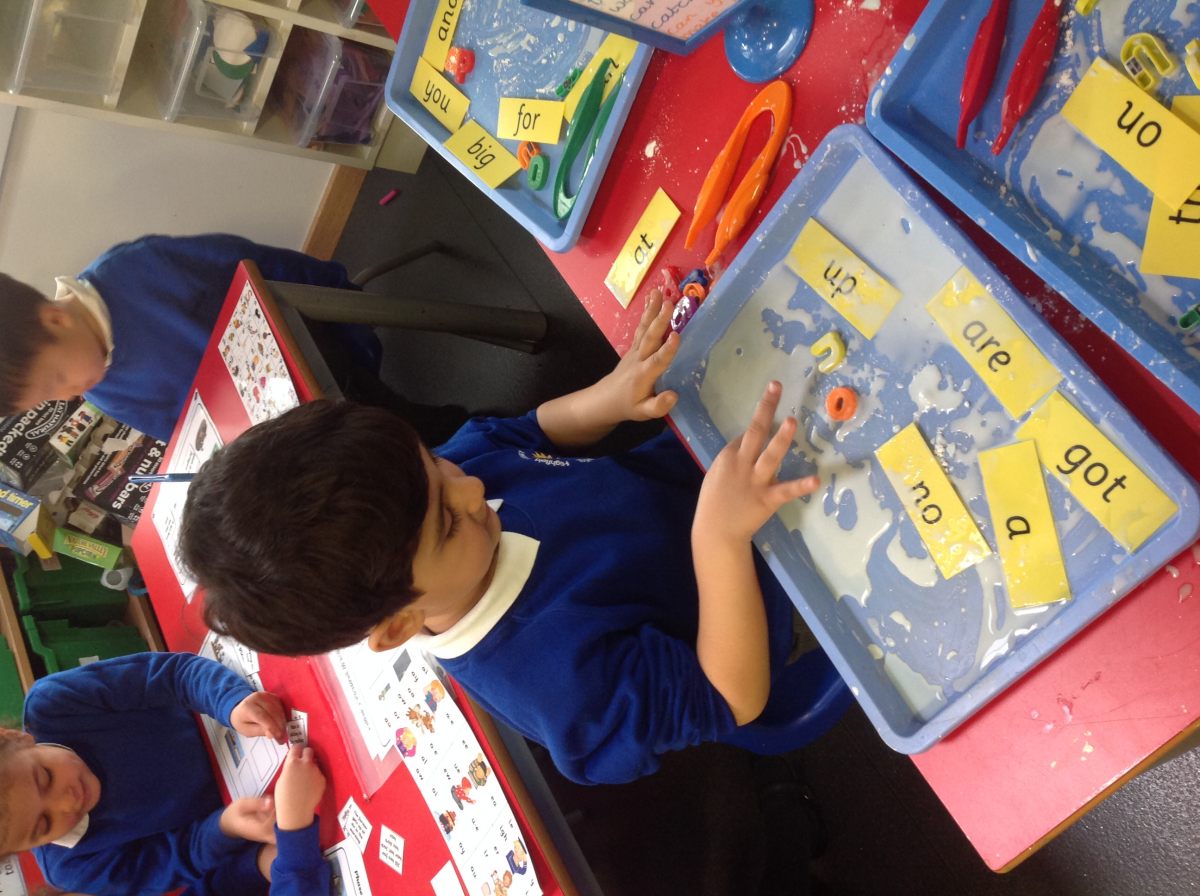
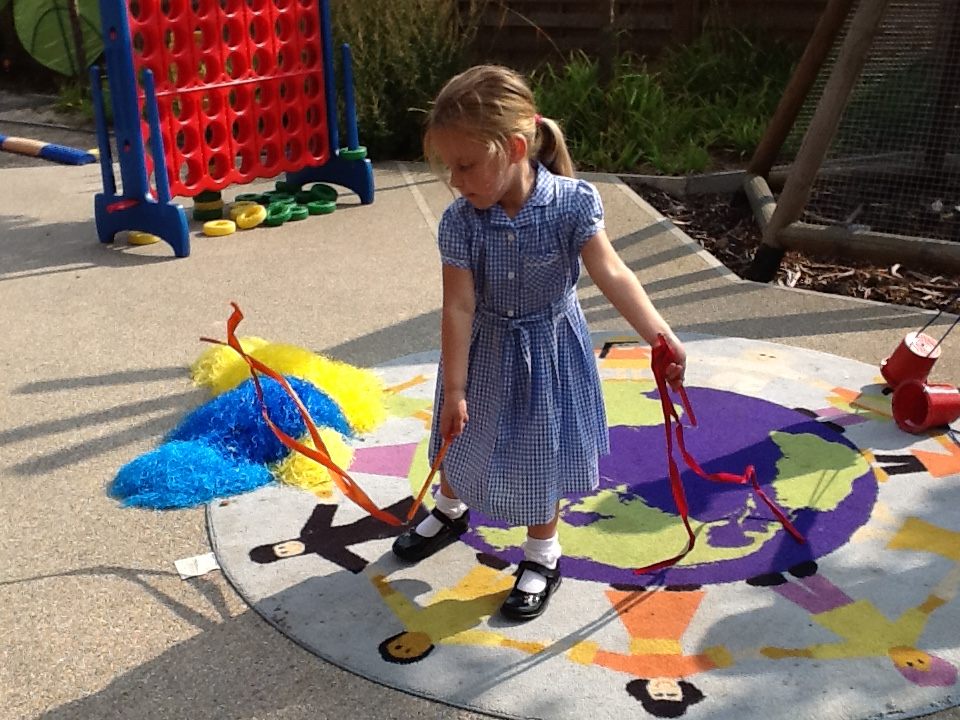
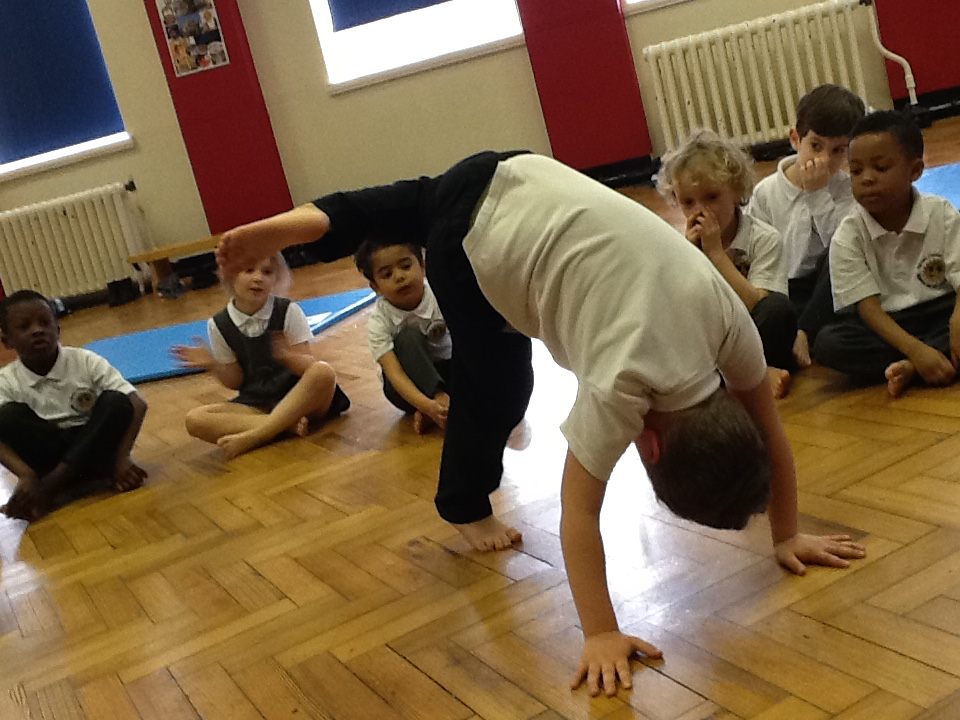
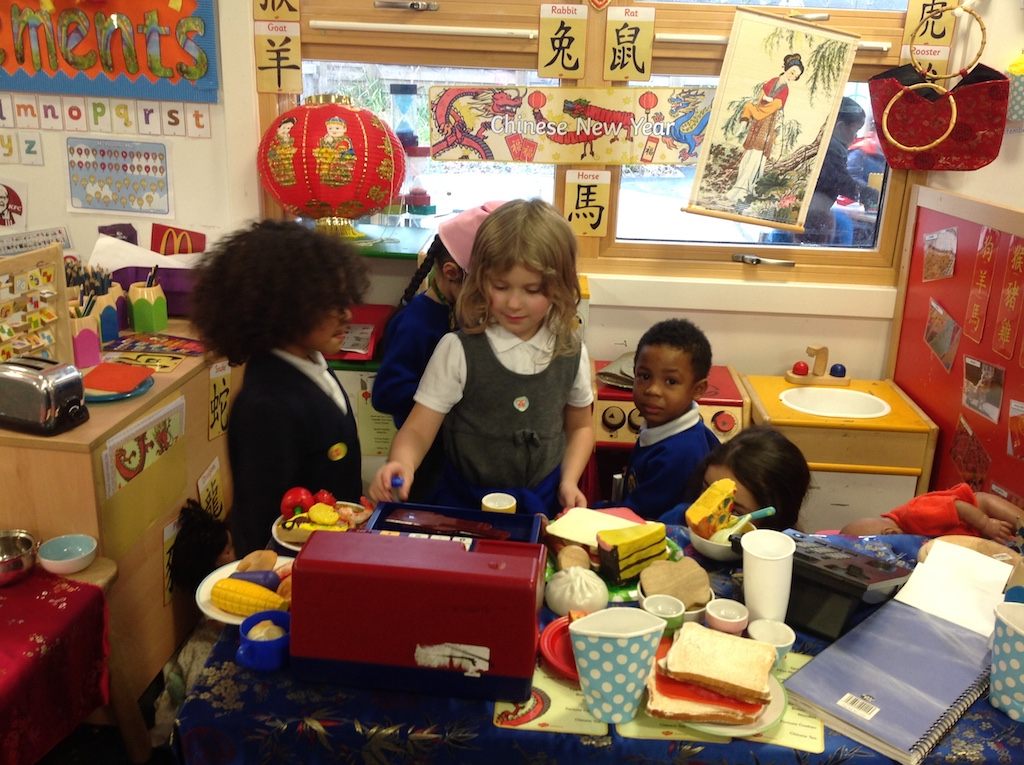
All children learn together through a broad and balanced curriculum of creatively planned lessons and child initiated opportunities in a well-resourced and exciting environment.
The Early Years Curriculum at Highfield Primary School
Child Development and Learning
In the Early Years at Highfield the children are very much at the heart of all learning. We respect that parents and carers are first to take their children on their journey of learning. We very much value their opinion and input so together we can help their children flourish.
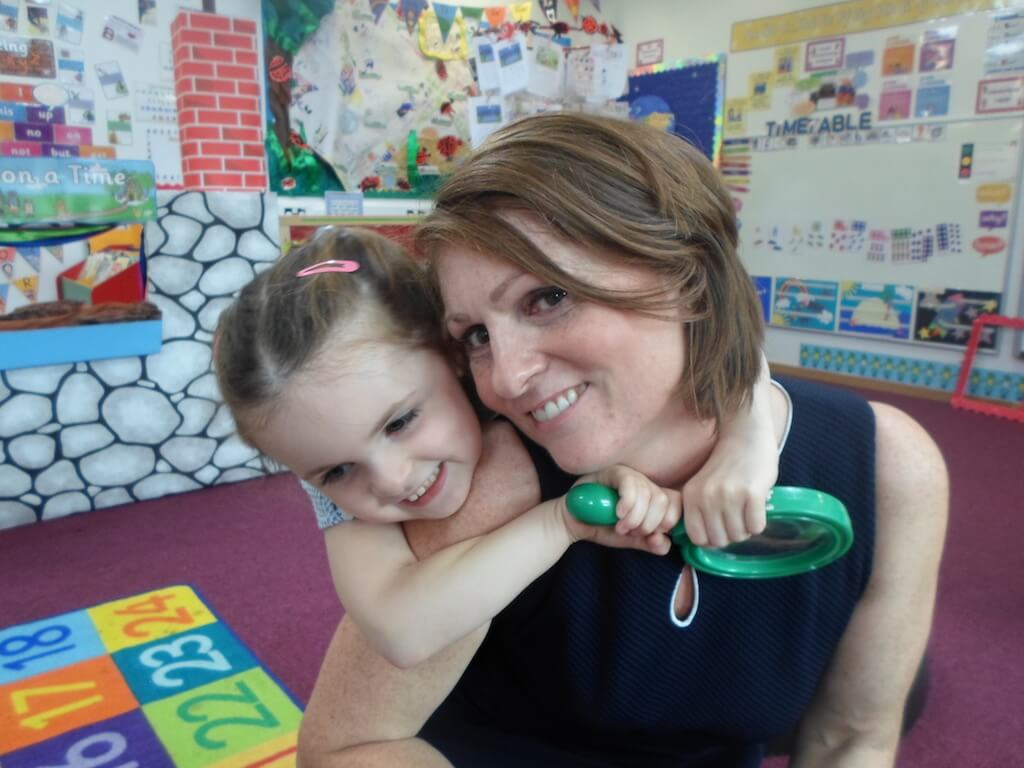

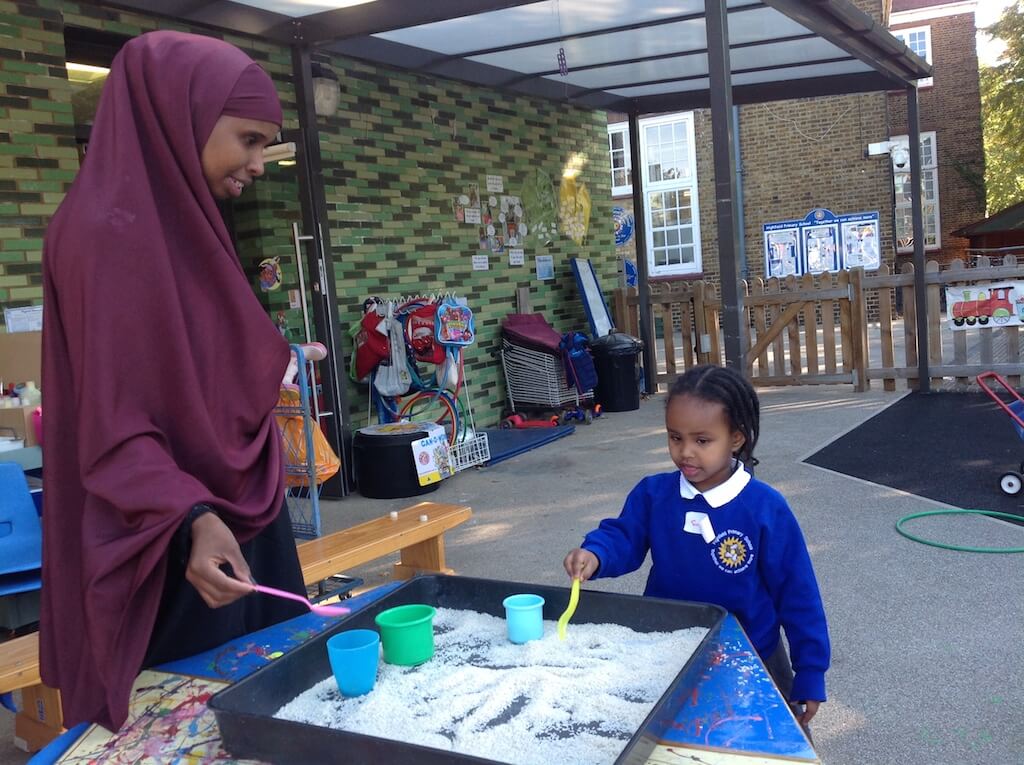
We see growth, learning and development as key to child’s first experiences at Highfield. We plan and provide a challenging and supportive curriculum within a safe and encouraging environment. This is based on our own and parents’ observations of their child’s individual interests, schemas and developmental needs.
The EYFS staff strive to extend children’s thinking and language through valuable and appropriate activities and opportunities and fully embrace the diversity within our school.
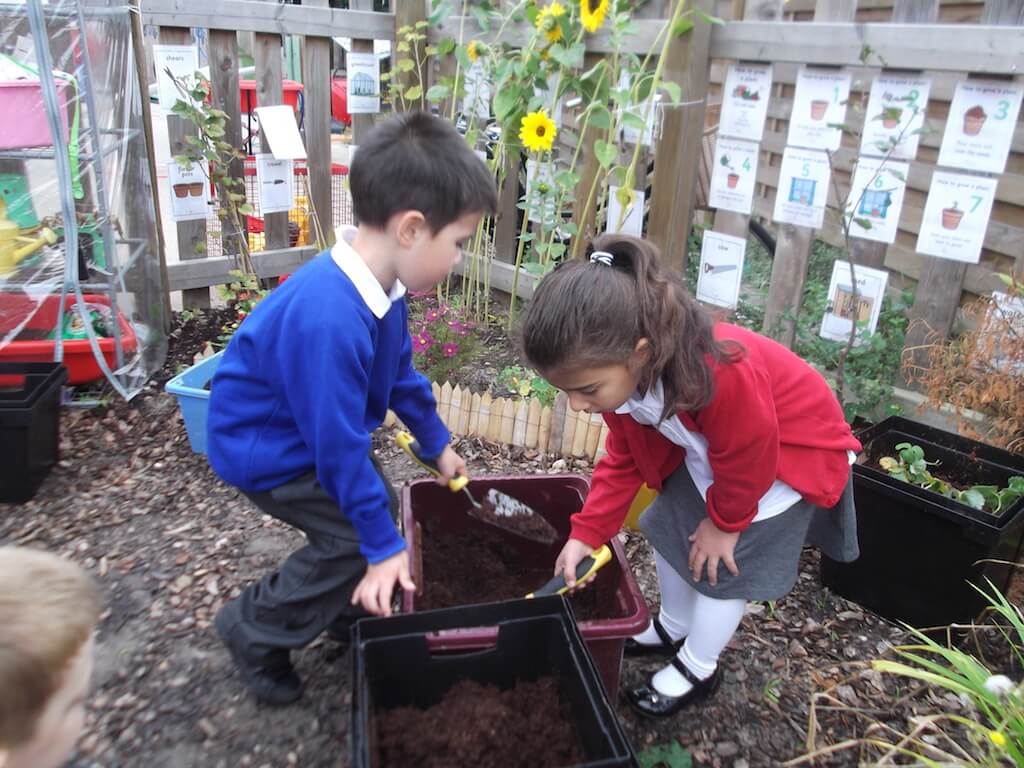
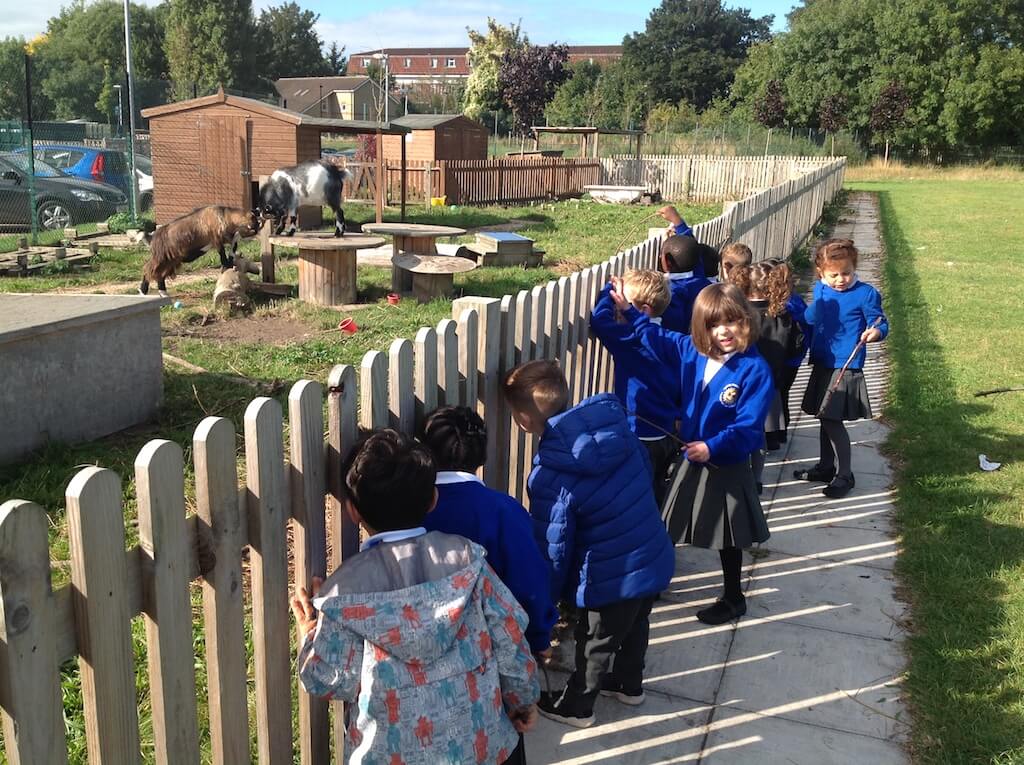
The Four guiding principles shape the practice in early years settings. These are:
- every child is a unique child, who is constantly learning and can be resilient, capable, confident and self-assured
- children learn to be strong and independent through positive relationships
- children learn and develop well in enabling environments with teaching and support from adults, who respond to their individual interests and needs and help them to build their learning over time. Children benefit from a strong partnership between practitioners and parents and/or carers.
- importance of learning and development. Children develop and learn at different rates. (See “the characteristics of effective teaching and learning”). The framework covers the education and care of all children in early years provision, including children with special educational needs and disabilities (SEND).
At Highfield, we support children’s learning and development by fostering, promoting and developing characteristics of learning and providing for the Prime and Specific areas of learning which make up the Early Years Foundation stage curriculum.
How do we assess learning in the EYFS?
Both nursery and Reception are assessed using the Statutory framework for early years foundation stage alongside the Non-statutory curriculum guidance for early years foundation stage, ‘Development Matters’
Observations are completed and uploaded on an online platform called, Tapestry. Parents are able to see, like and comment on observations (that may include photo’s, videos, notes) made by staff as well as upload their own observations (photo’s, videos, notes) from home to share. Home learning is also uploaded on Tapestry. You can access your Tapestry account (once created) by clicking on here.
On arrival, the age expected level for children in the Nursery is Pre 3/Nursery beginning stage and by then end of Nursery the age expected level is the secure stage in Nursery or at the beginning stage of reception.
On arrival, the age expected level for children in Reception is to be secure in the Nursery stage or at the beginning stage of Reception. By the end of Reception, the age expected level for children is to be secure with the Reception ELG’s (the knowledge, skills and understanding children should have at the end of the academic year in which they turn five). You can find the ELG’s on pages 11-15 in the Statutory Framework for early years foundation stage.
Reception also conduct the National Reception Baseline Assessment in the first 6 weeks of the child’s schooling (September). You can read more information here.
In planning and guiding what children learn, practitioners reflect on the different rates at which children are developing and adjust their practice appropriately.
Characteristics of Effective Learning
Three characteristics of effective teaching and learning are:
- playing and exploring – children investigate and experience things, and ‘have a go’
- active learning – children concentrate and keep on trying if they encounter difficulties, and enjoy achievements
- creating and thinking critically – children have and develop their own ideas, make links between ideas, and develop strategies for doing things
Add the current website photos underneath please instead of under each heading please (the ones under ‘playing and exploring’ also ‘Creating and critical thinking’- see below).

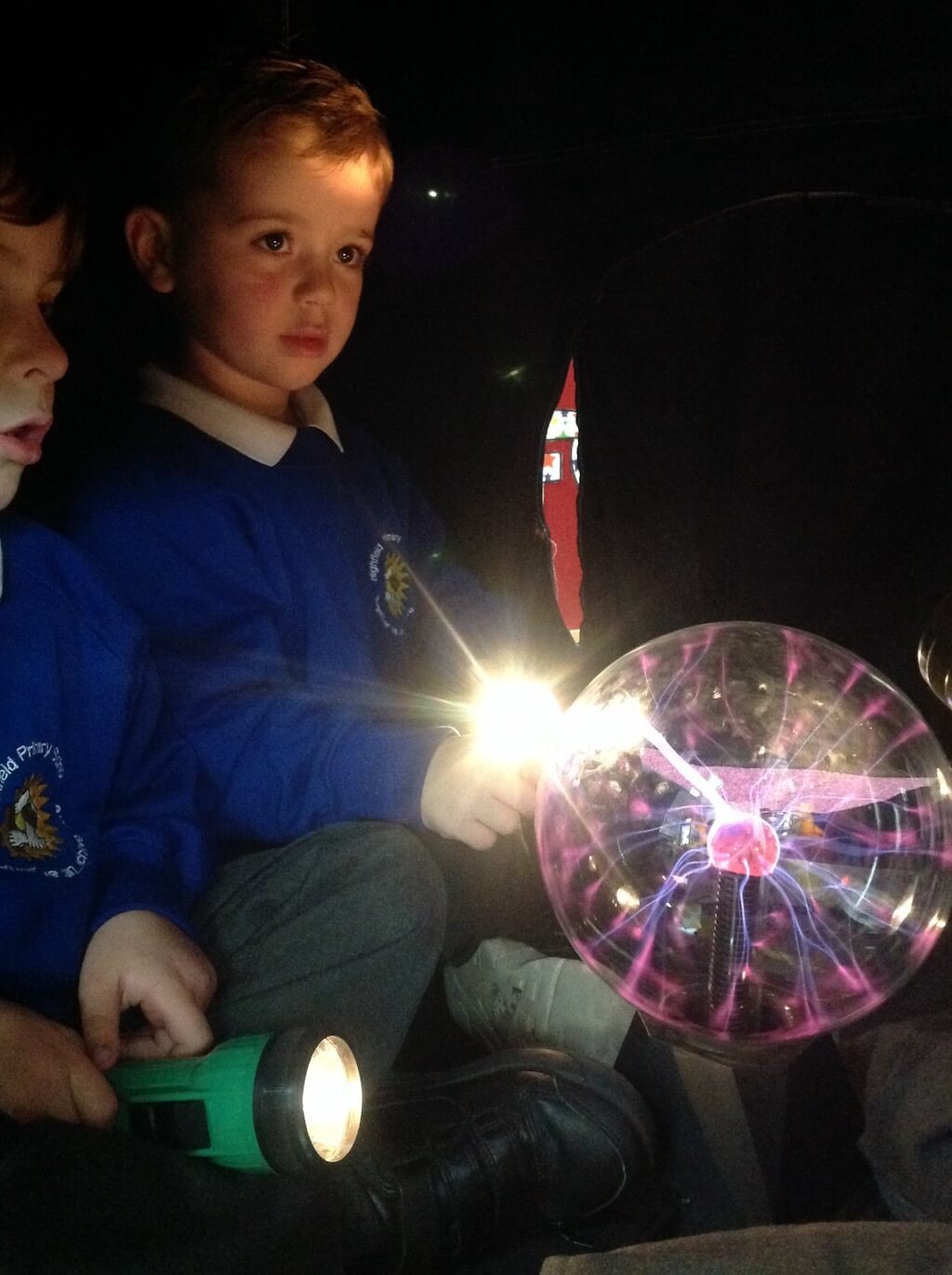

Active learning
This includes supporting children to develop the skills and attitudes
- to be motivated by their learning
- to be highly involved in their learning and concentrate
- to persist with their learning
- to enjoy achievements they have made
Creating and Critical thinking
This includes supporting children to develop the skills and attitudes
- to develop their thinking as they learn and be able to talk their thinking through
- to develop their own ideas and solve problems
- to make links in their learning
- to make predictions
- to explore cause and effect
- to be flexible and adapt their strategies when solving a problem
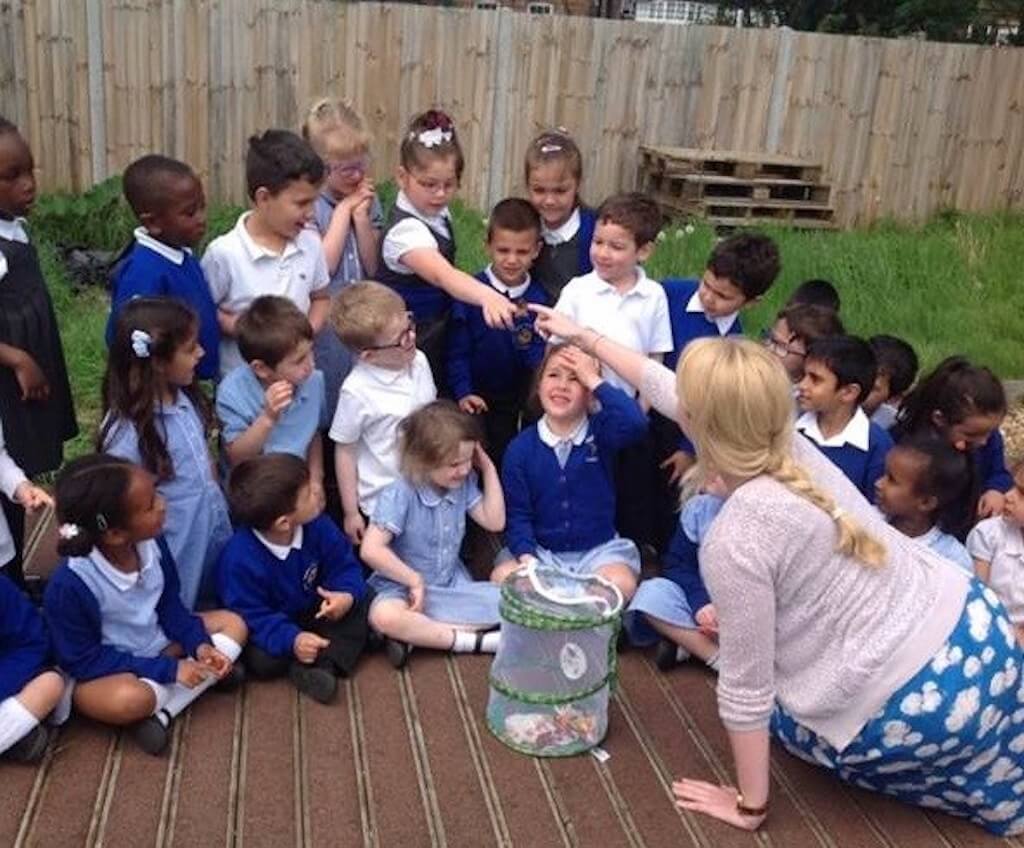
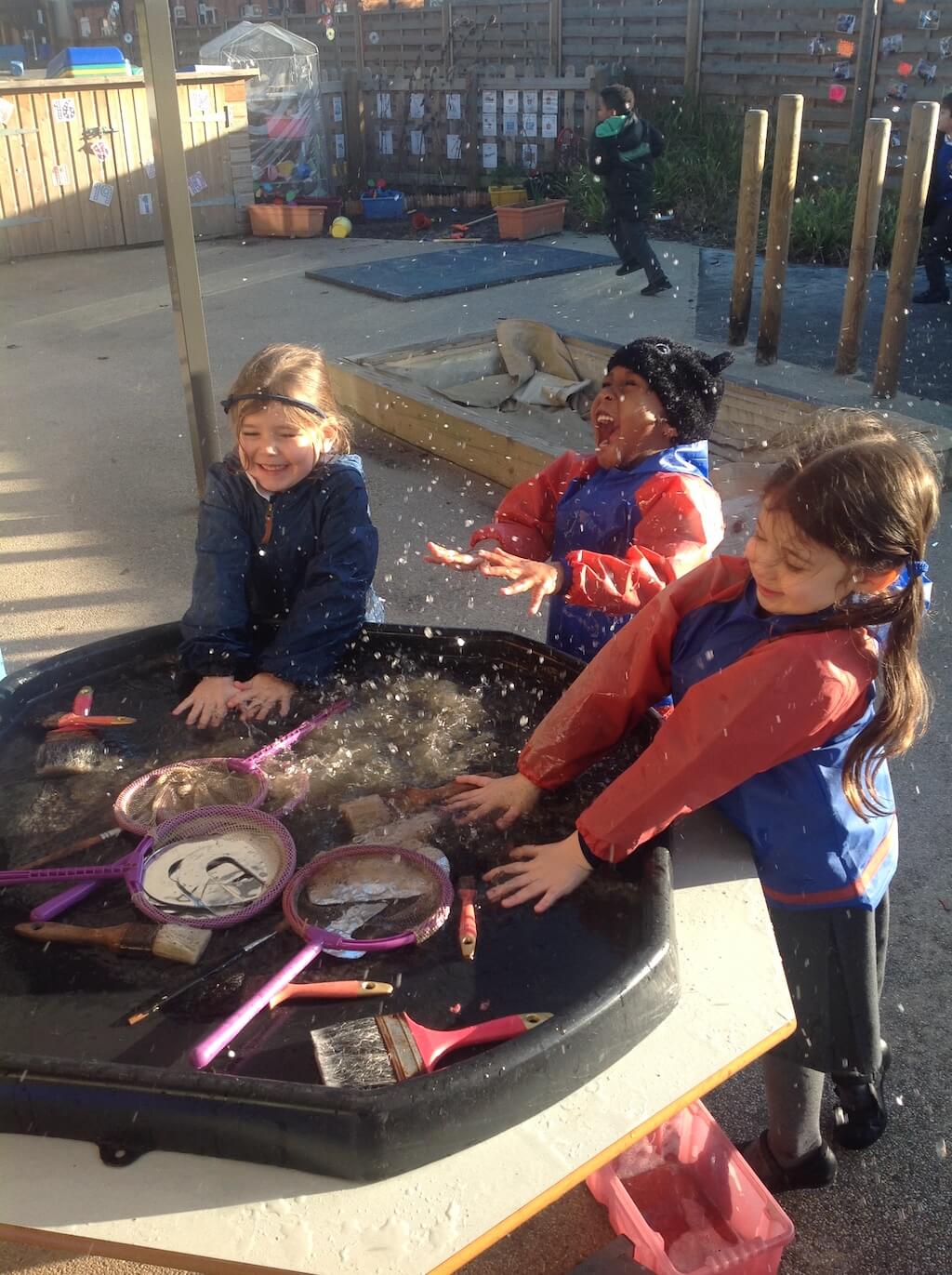
The Early Years Foundation Stage Curriculum is divided into Prime Areas and Specific Areas.
The Areas of Learning and Development:
There are seven areas of learning and development that shape our educational programmes in the early years. All areas of learning and development are important and inter-connected. They are split into Prime or Specific areas.
Three areas are particularly important for building a foundation for igniting children’s curiosity and enthusiasm for learning, forming relationships and thriving.
These are the prime areas:
- Communication and Language
- Physical Development
- Personal, Social and Emotional Development
These are the four specific areas, through which the three prime areas are strengthened and applied.
The specific areas are:
- Literacy
- Mathematics
- Understanding the World
- Expressive Arts and Design
Prime Areas:
Communication and Language
- Listening, attention and understanding
- Speaking
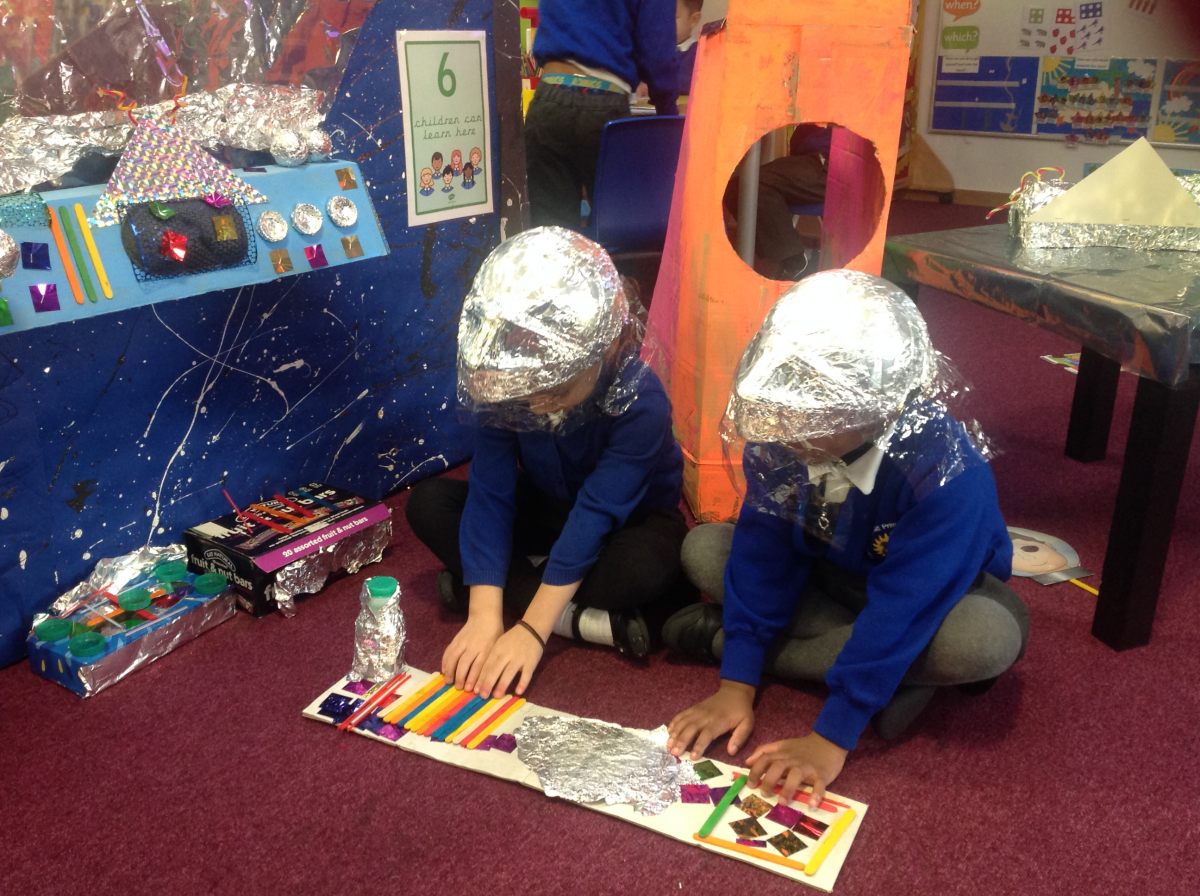
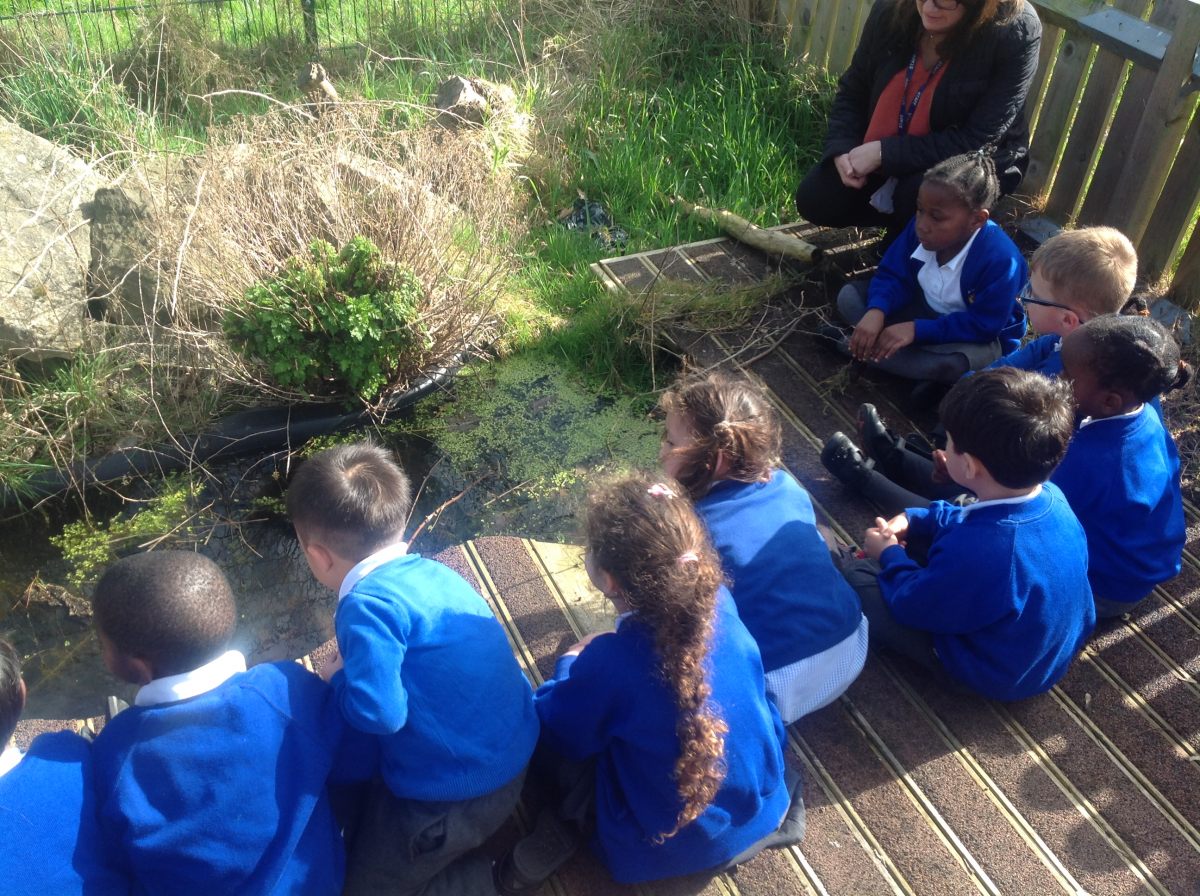
The development of children’s spoken language underpins all seven areas of learning and development. Children’s back-and-forth interactions from an early age form the foundations for language and cognitive development. The number and quality of the conversations they have with adults and peers throughout the day in a language-rich environment is crucial. By commenting on what children are interested in or doing, and echoing back what they say with new vocabulary added, practitioners build on children’s language effectively.
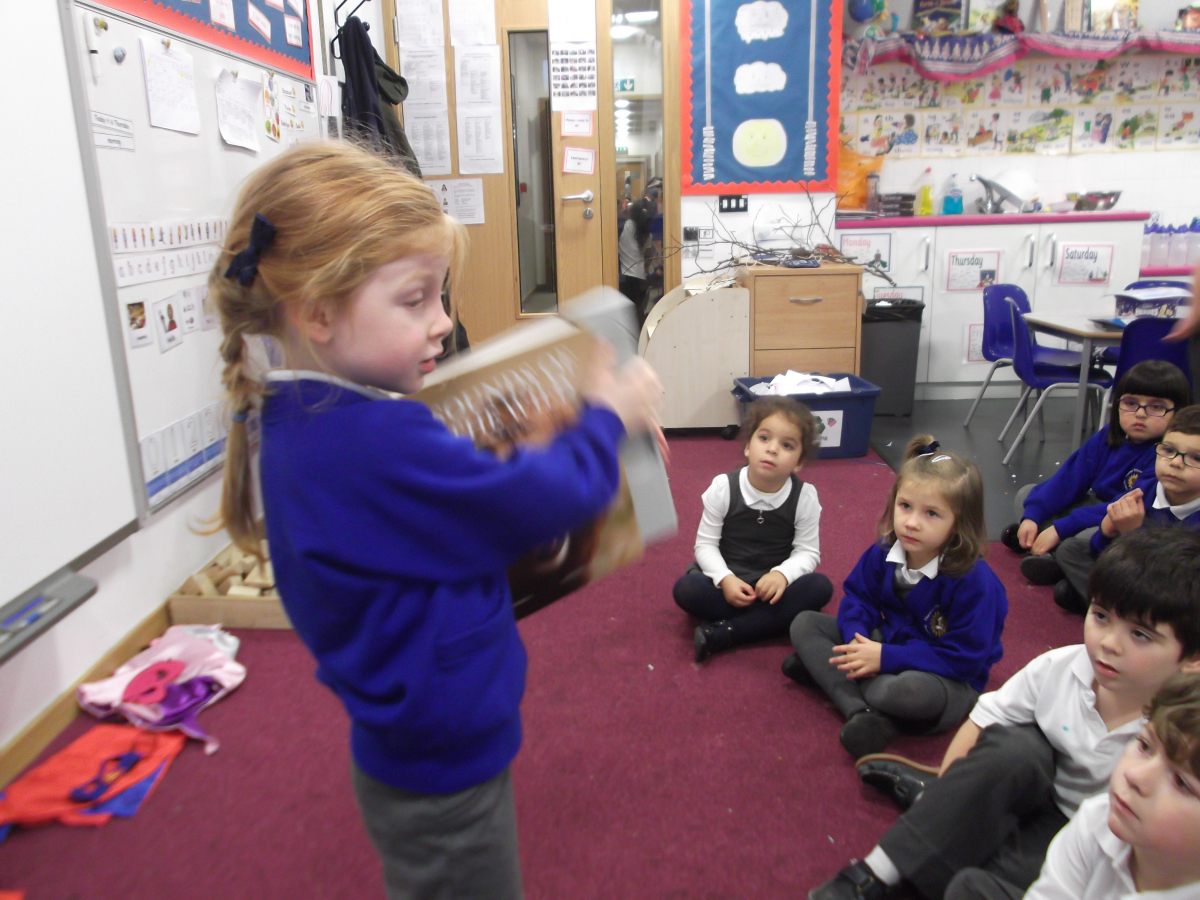
Reading frequently to children, and engaging them actively in stories, non-fiction, rhymes and poems, and then providing them with extensive opportunities to use and embed new words in a range of contexts, will give children the opportunity to thrive. Through conversation, story-telling and role play, where children share their ideas with support and modelling from their teacher/nursery nurse, and sensitive questioning that invites them to elaborate, children become comfortable using a rich range of vocabulary and language structures.
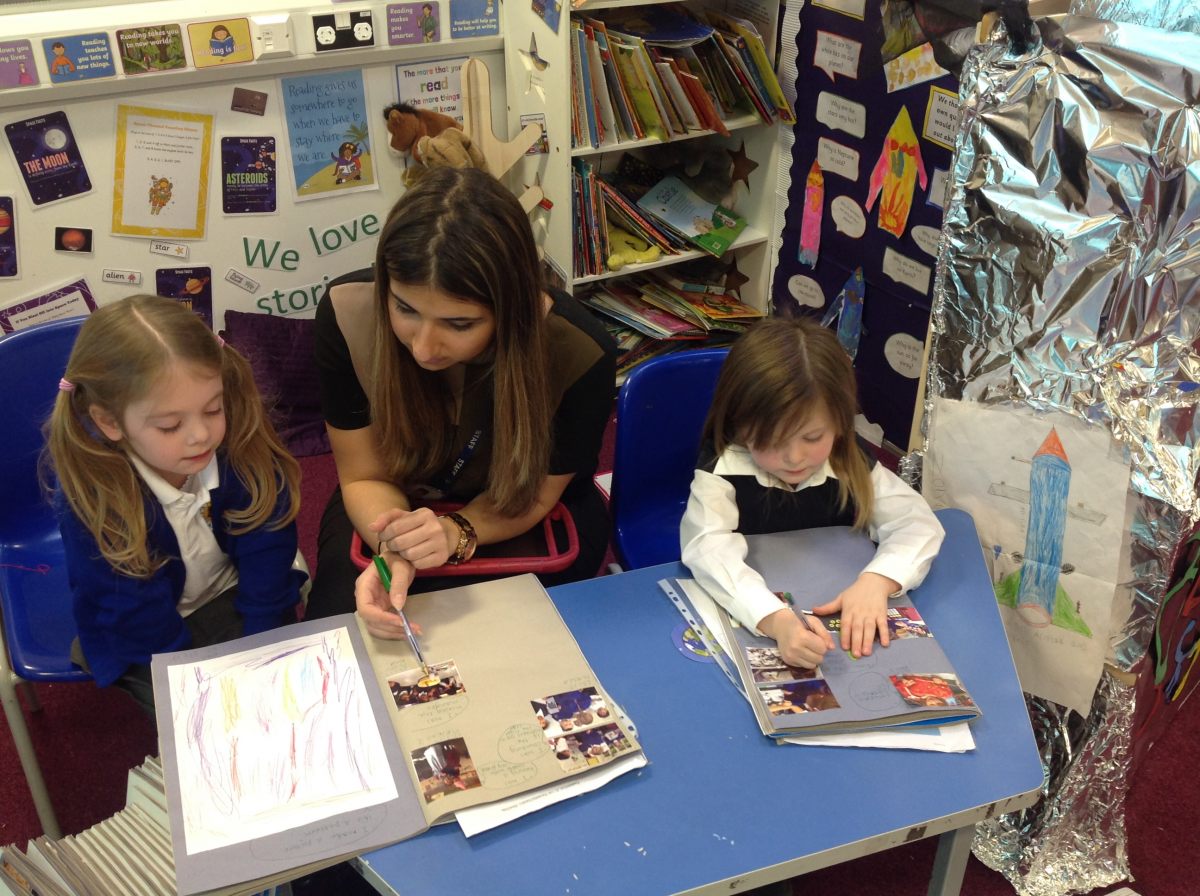

Physical Development
- Moving and handling
- Health and self-care
- Gross Motor Skills
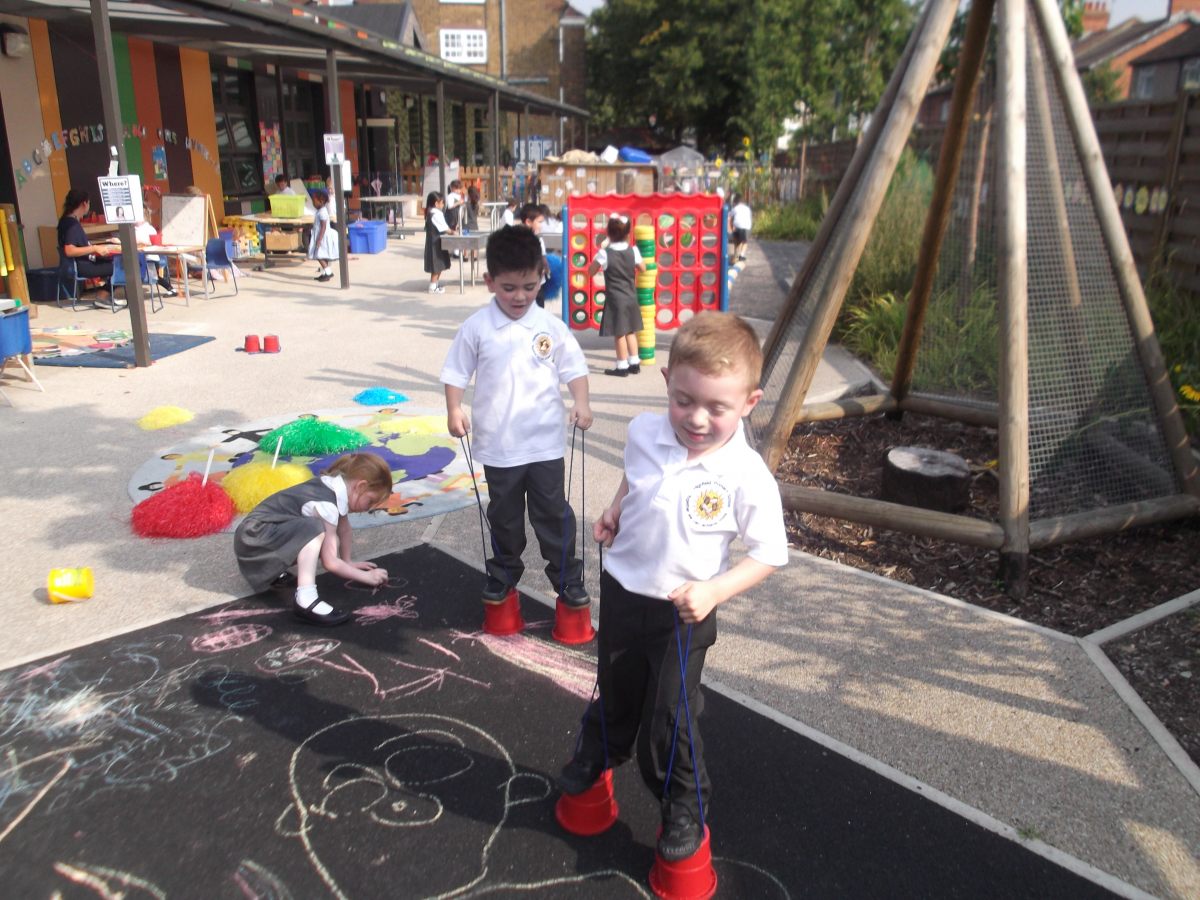
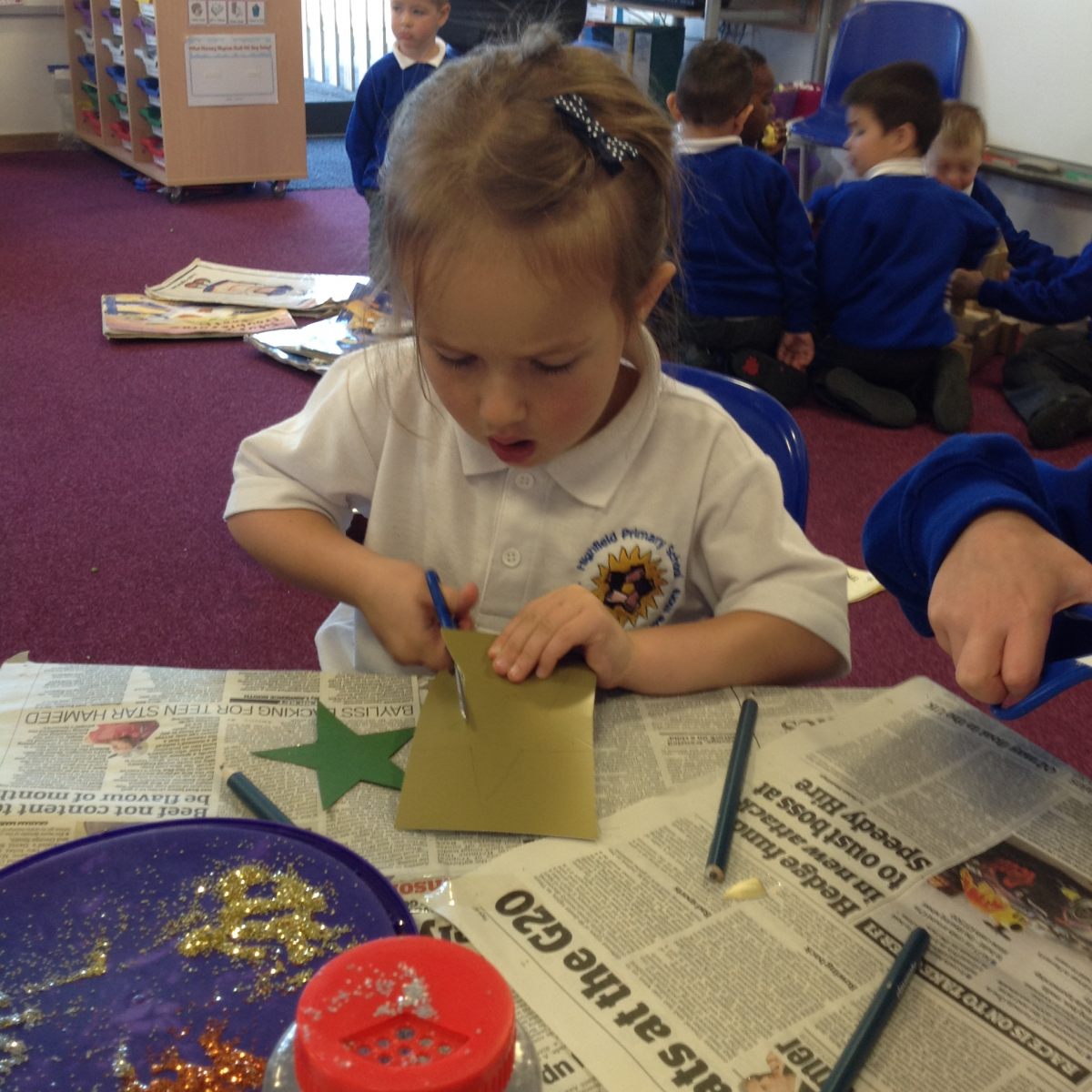
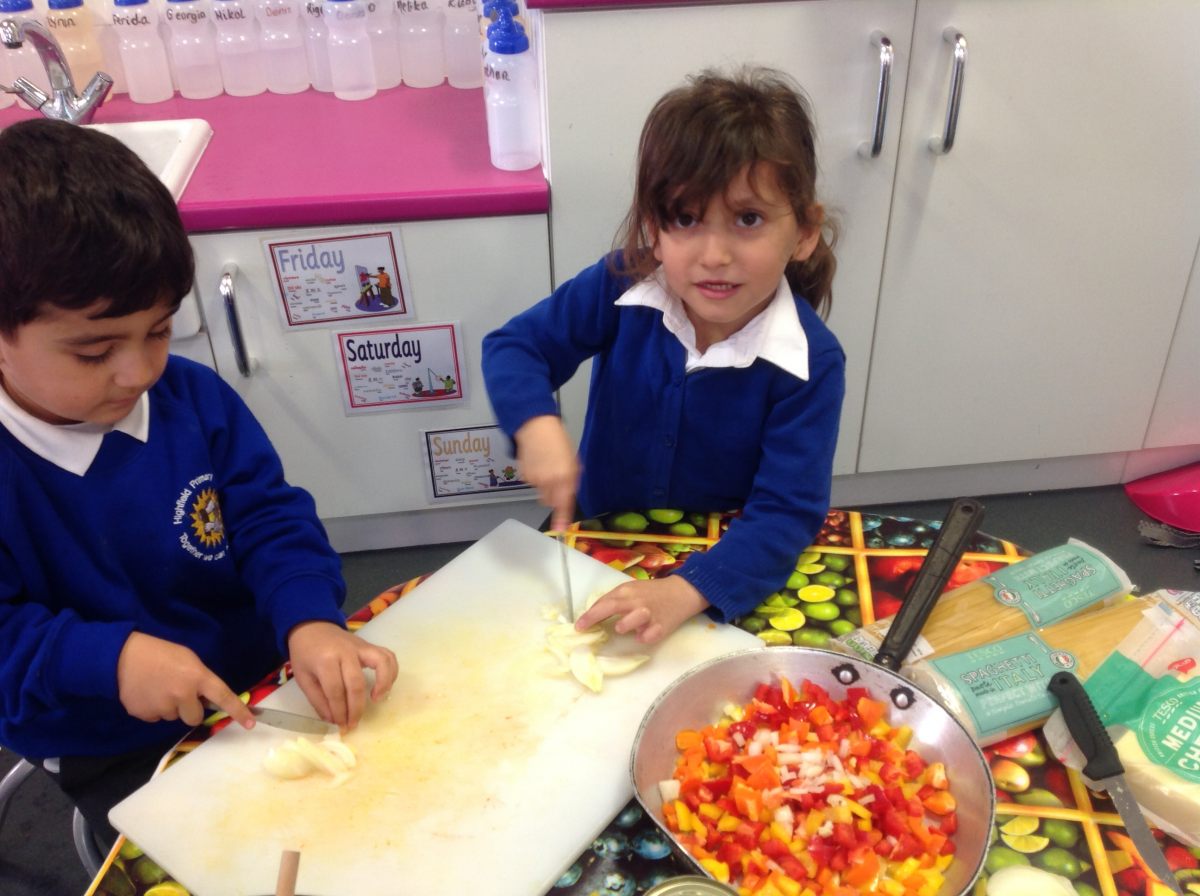
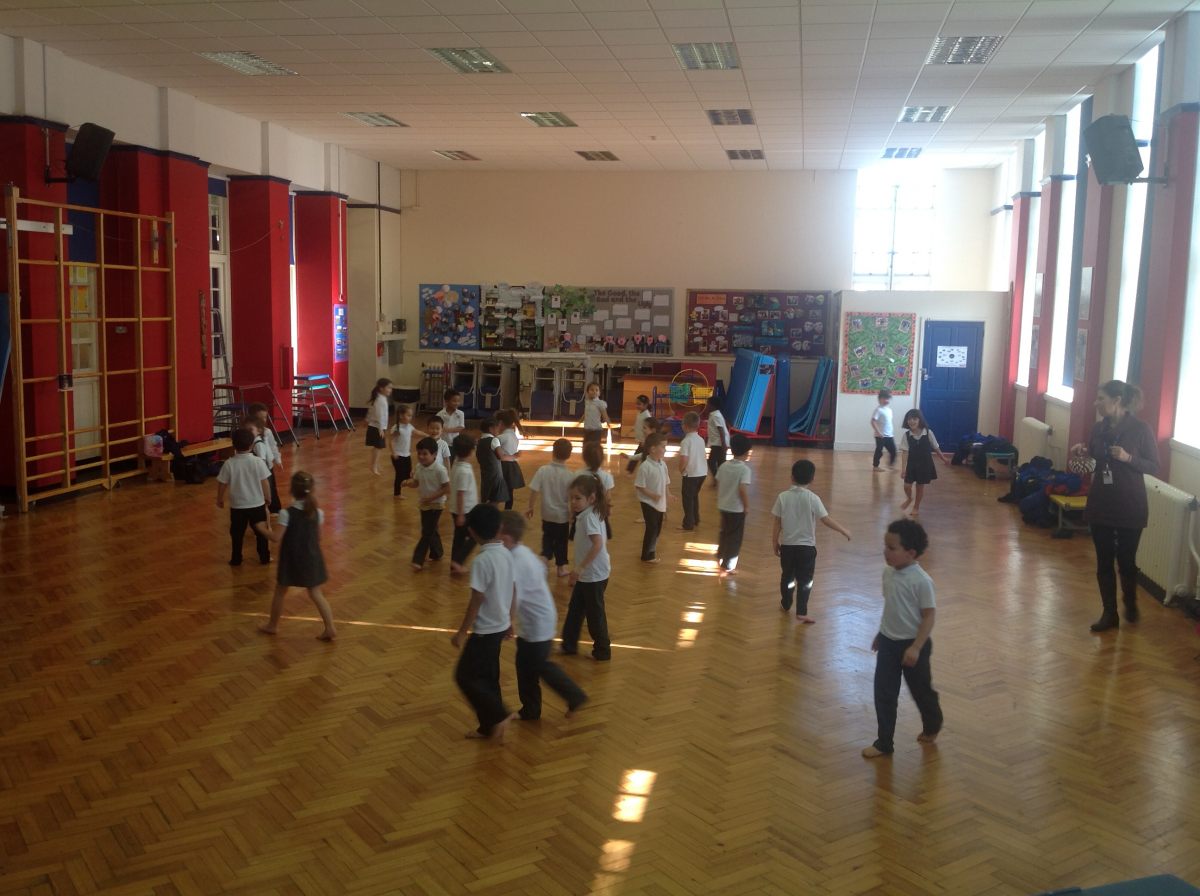
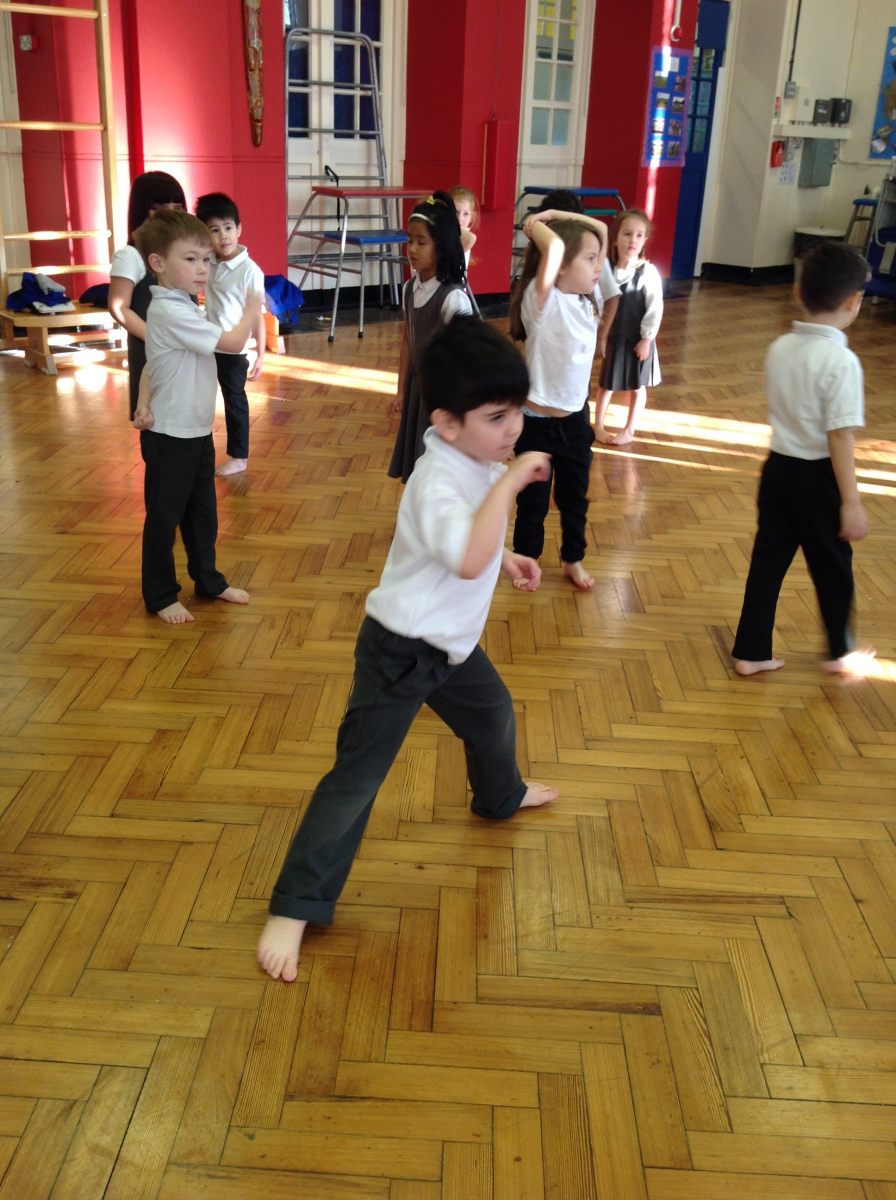
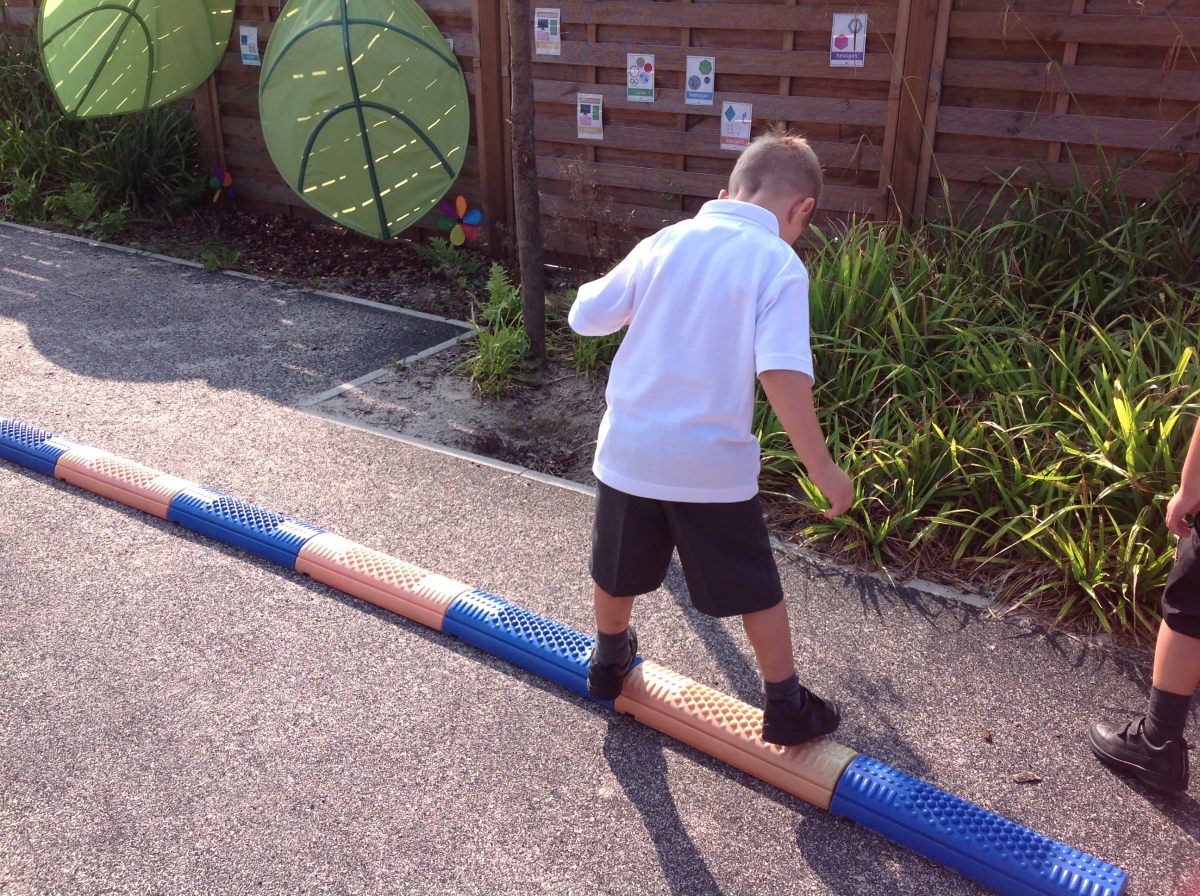
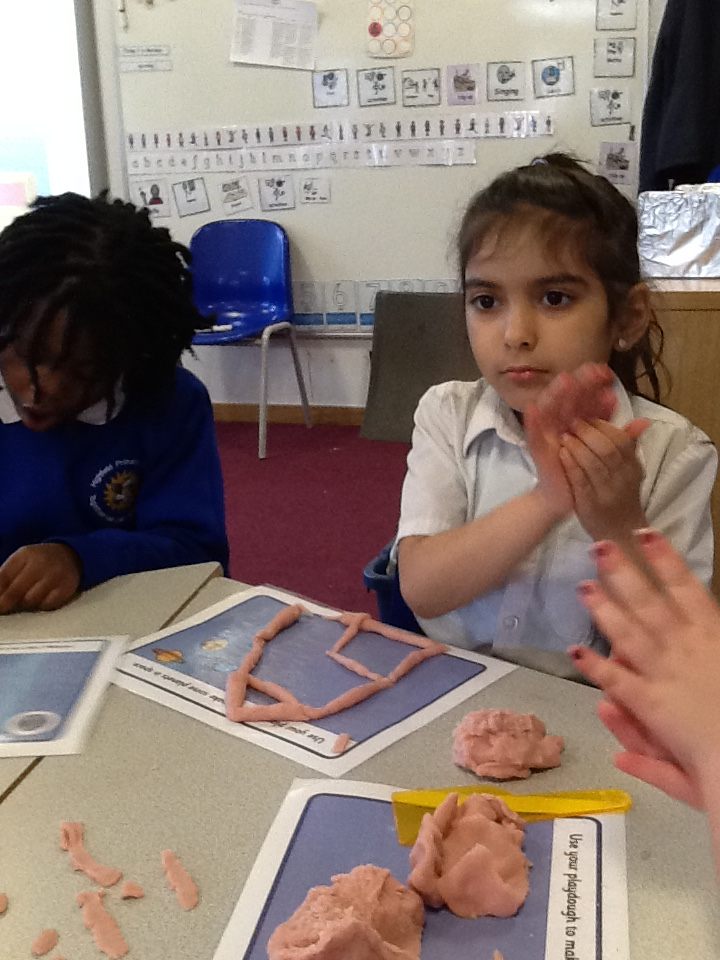
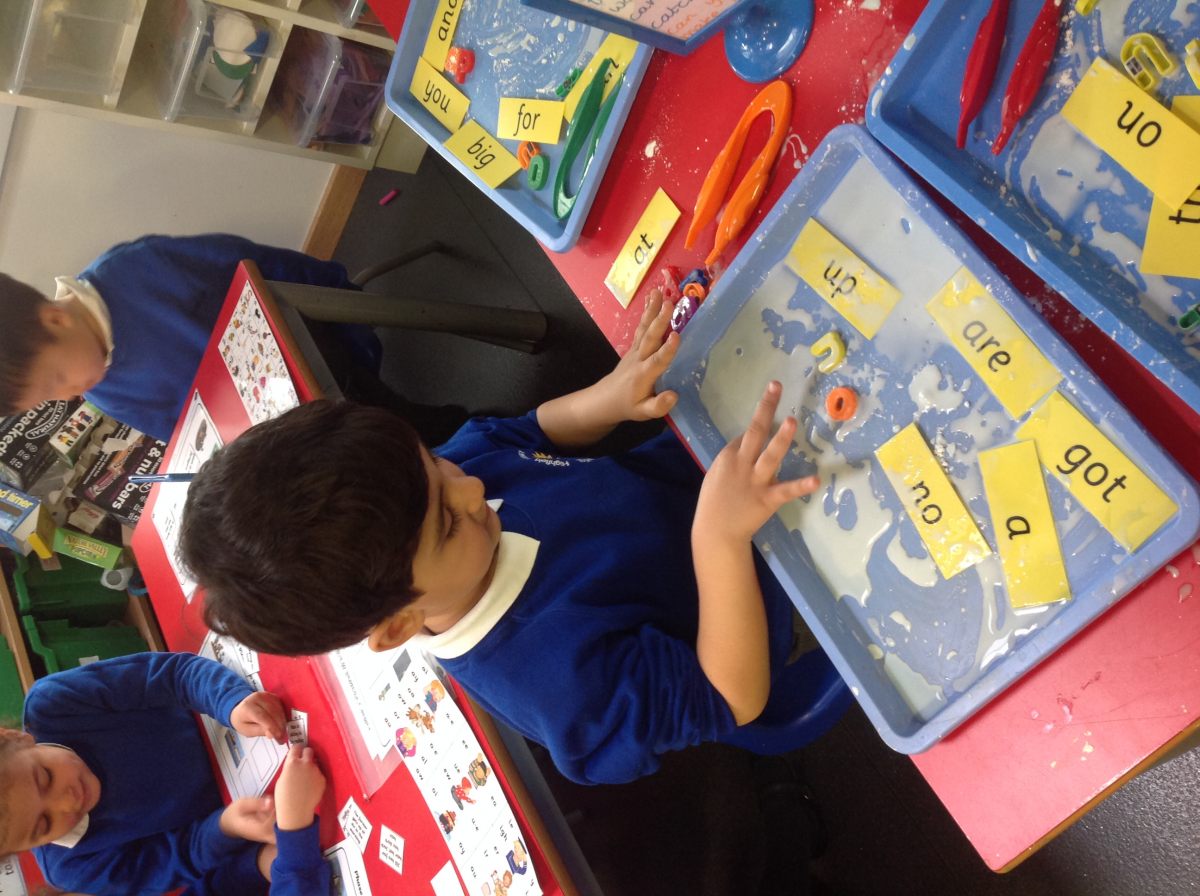
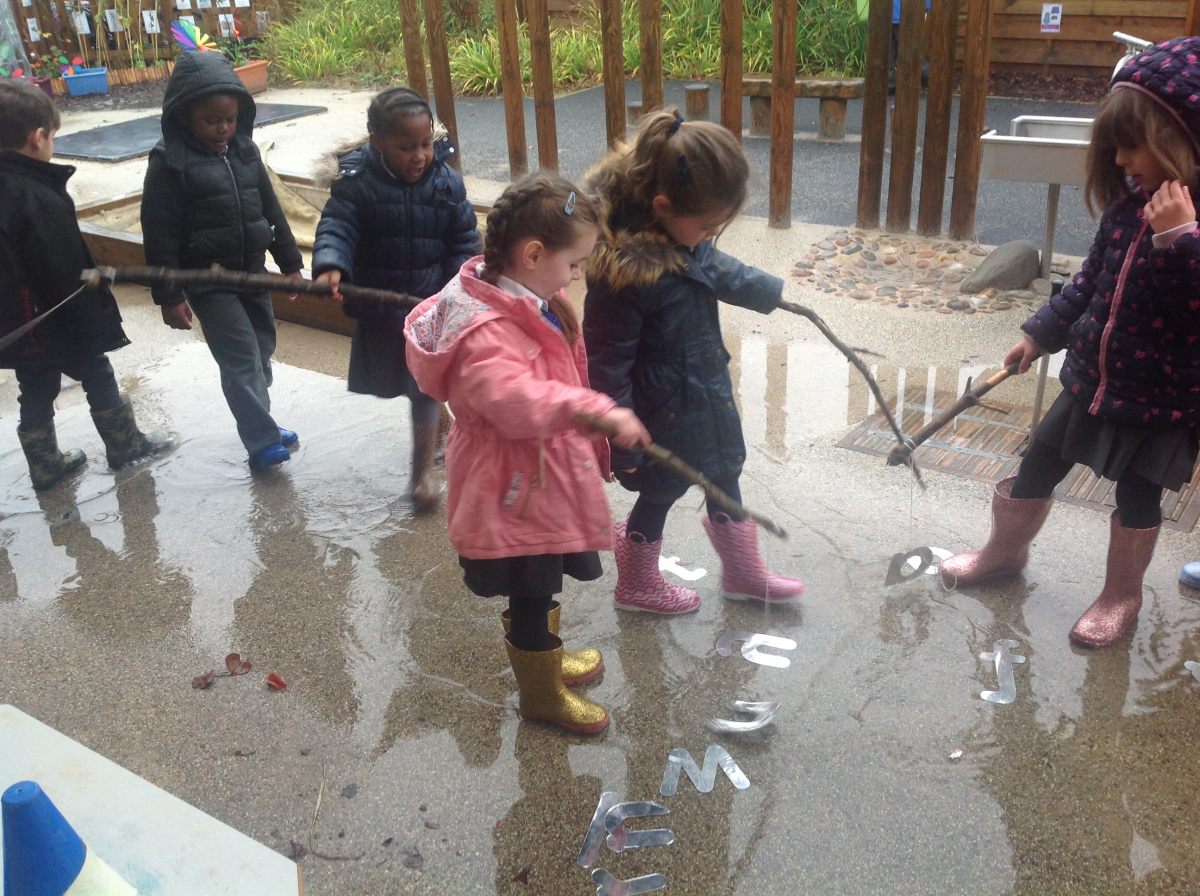
- Fine Motor SkillsPhysical activity is vital in children’s all-round development, enabling them to pursue happy, healthy and active lives. Gross and fine motor experiences develop incrementally throughout early childhood, starting with sensory explorations and the development of a child’s strength, co-ordination and positional awareness through tummy time, crawling and play movement with both objects and adults. By creating games and providing opportunities for play both indoors and outdoors, adults can support children to develop their core strength, stability, balance, spatial awareness, co-ordination and agility. Gross motor skills provide the foundation for developing healthy bodies and social and emotional well-being. Fine motor control and precision helps with hand-eye co-ordination, which is later linked to early literacy. Repeated and varied opportunities to explore and play with small world activities, puzzles, arts and crafts and the practice of using small tools, with feedback and support from adults, allow children to develop proficiency, control and confidence.
Personal, Social and Emotional Development
- Self-regulation
- Managing Self
- Building Relationships
This aspect of the curriculum is encouraged by enabling smooth transition between home and school through our successful settling in period. Building positive relationships where together we can encourage children to achieve more. We strive to do this by having weekly focus meetings where parents and carers shall in turn be invited for a meeting to discuss their child’s progress.
We aim to give all children the best start to education at Highfield Primary so they have a positive attitude towards learning and see themselves as successful learners.
We also believe that learning to co-operate and work harmoniously alongside others is highly important and we encourage children to develop life-long skills through valuable opportunities.
Children’s personal, social and emotional development (PSED) is crucial for children to lead healthy and happy lives, and is fundamental to their cognitive development. Underpinning their personal development are the important attachments that shape their social world. Strong, warm and supportive relationships with adults enable children to learn how to understand their own feelings and those of others. Children are supported to manage emotions, develop a positive sense of self, set themselves simple goals, have confidence in their own abilities, to persist and wait for what they want and direct attention as necessary. Through adult modelling and guidance, they will learn how to look after their bodies, including healthy eating, and manage personal needs independently. Through supported interaction with other children, they learn how to make good friendships, co-operate and resolve conflicts peaceably. These attributes will provide a secure platform from which children can achieve at school and in later life.
Specific Areas
The specific areas include essential skills and knowledge. They grow out of the prime areas, and provide important contexts for learning.
Literacy
- Comprehension
- Word Reading
- Writing
Reading:
It is crucial for children to develop a life-long love of reading. Reading consists of two dimensions: language comprehension and word reading. Language comprehension (necessary for both reading and writing) starts from birth. It only develops when adults talk with children about the world around them and the books (stories and non-fiction) they read with them, and enjoy rhymes, poems and songs together. Skilled word reading, taught later, involves both the speedy working out of the pronunciation of unfamiliar printed words (decoding) and the speedy recognition of familiar printed words.
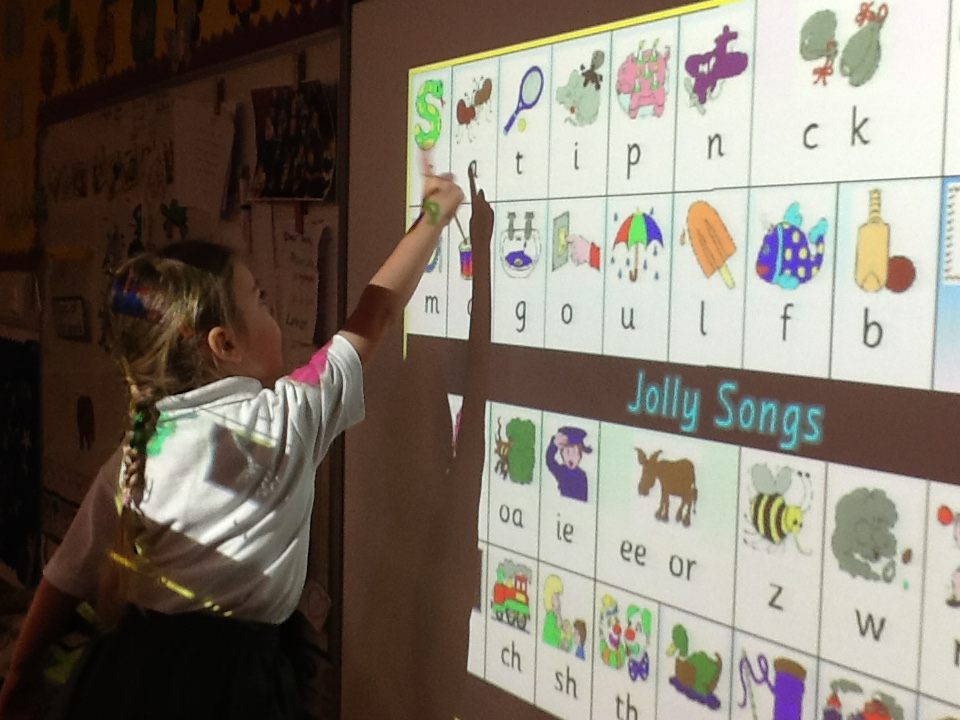
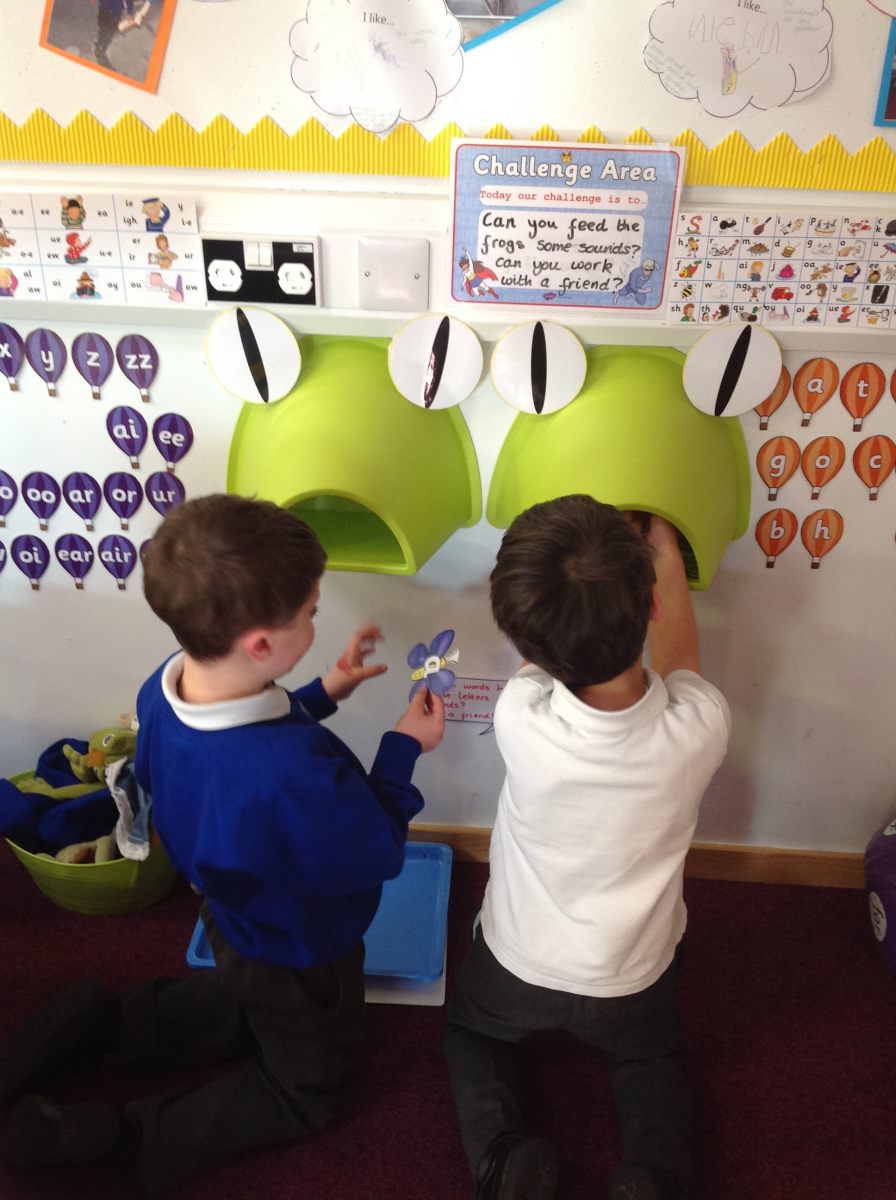
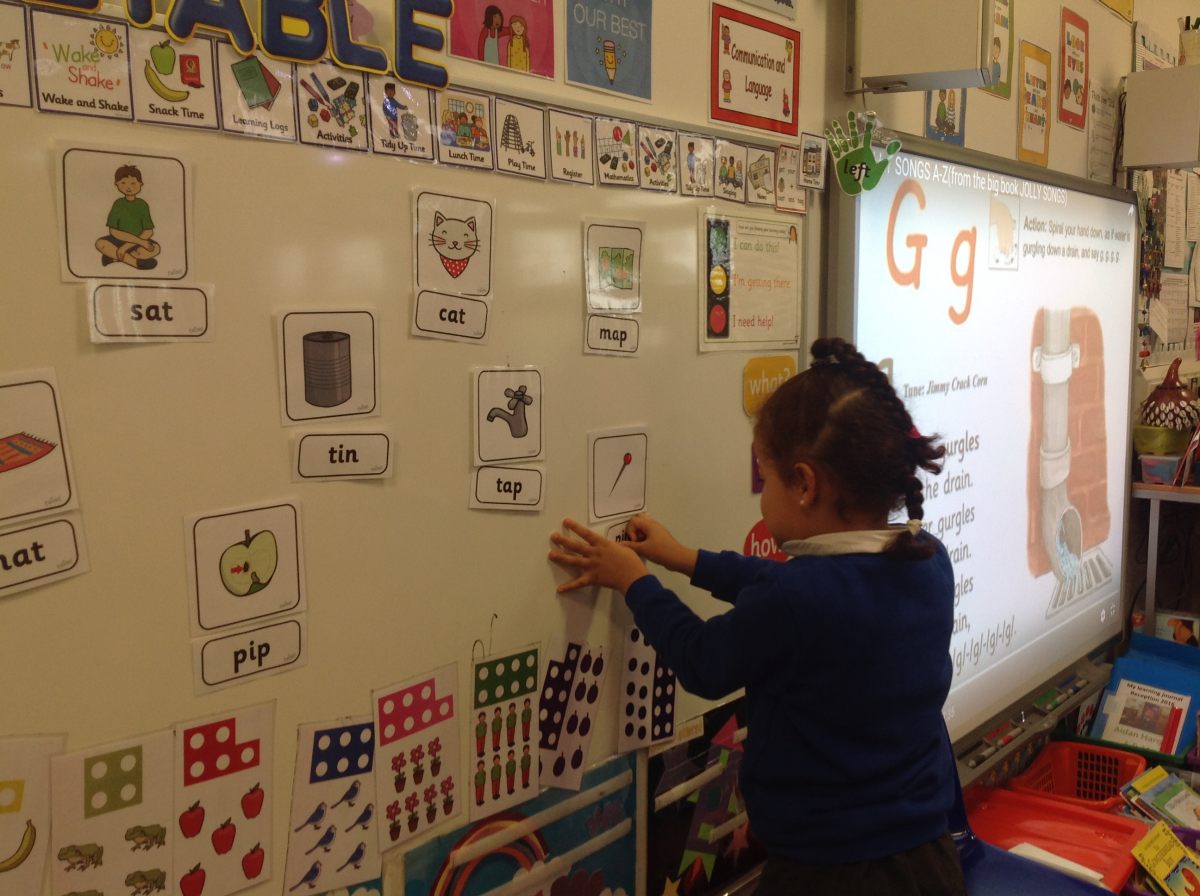
At Highfield, we follow the Little Wandle Letters and Sounds Revised programme to support daily teaching of phonics and spelling. This is s systematic and synthetic phonics programme which we use from Nursery, through Reception and Year 1 and beyond. In Nursery we focus on developing listening and attention skills, oral blending and language development ready to learn grapheme-phoneme correspondences in Reception. (See Phonics section of the website for further detail)
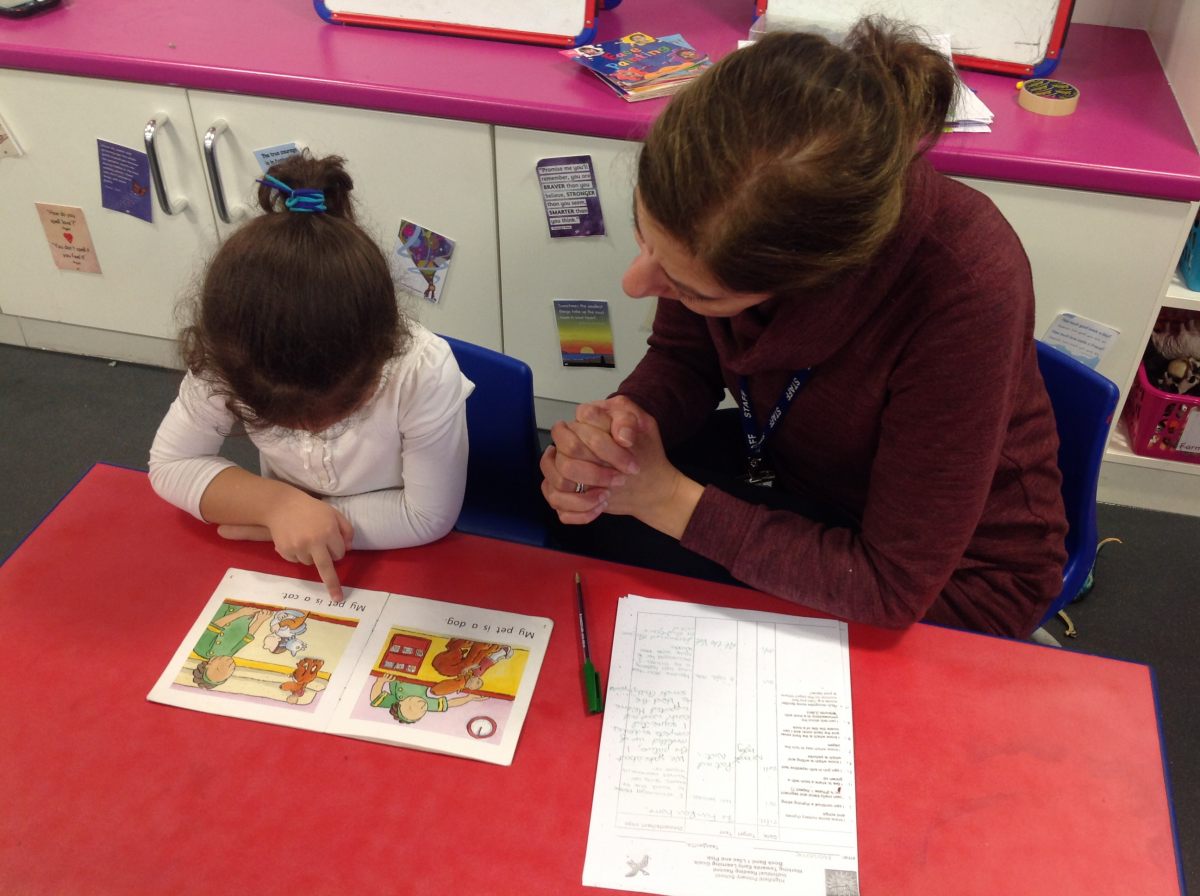
We encourage children to start recognising sounds and then blending simple words to begin reading. This will develop further as the year progresses where children can read sentences and understand the text. Information on the sounds and words your child is learning will be shared so you can support your child at home.
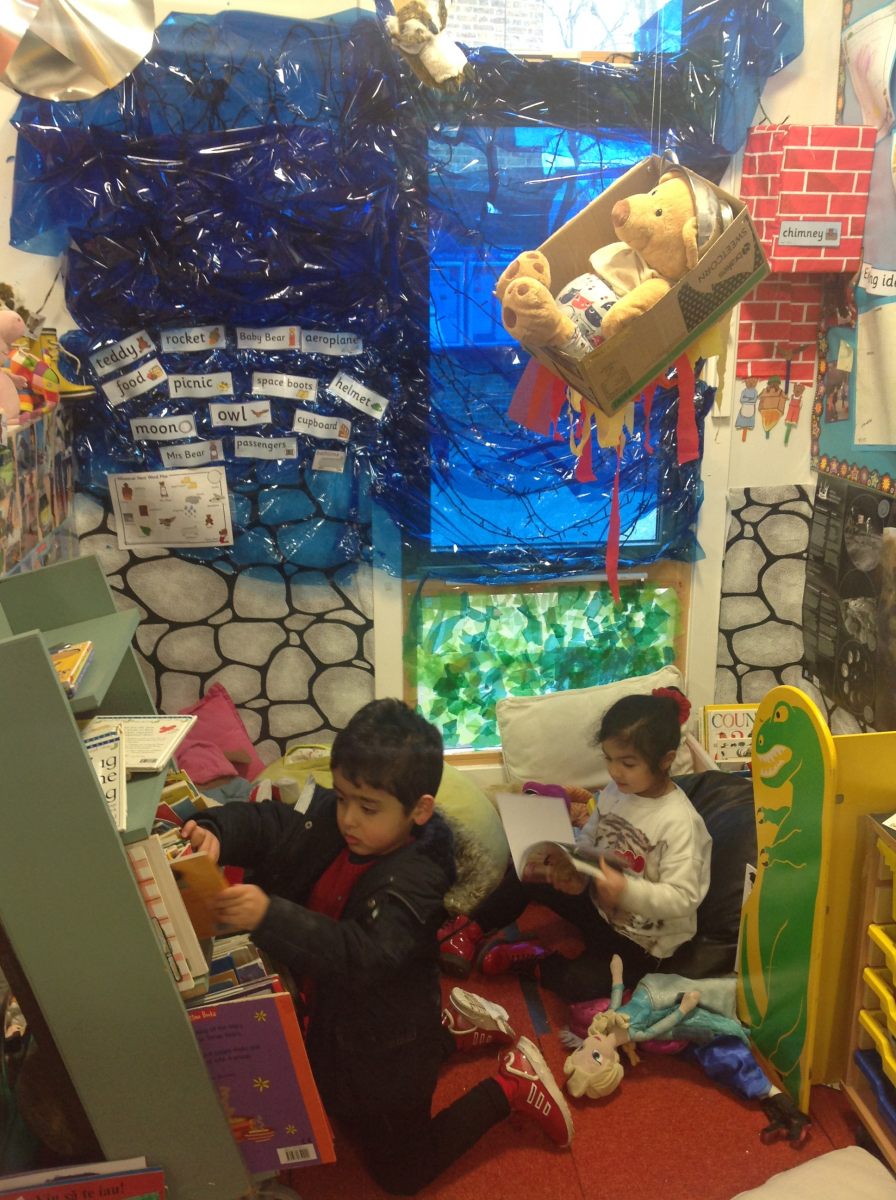
Children will take home a phonics book matched to their phonics level and a personal choice reading book from the class library to share with their parents and carers. We also have daily story/ singing time where we share stories and sing rhymes and songs.
Writing:
Writing involves transcription (spelling and handwriting) and composition (articulating ideas and structuring them in speech, before writing).
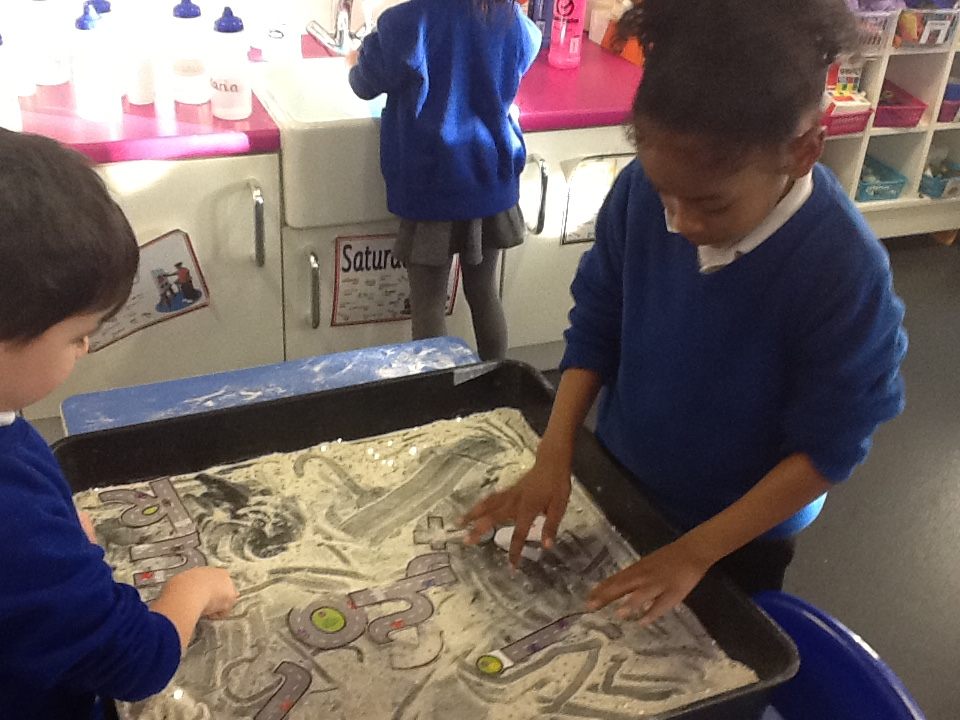
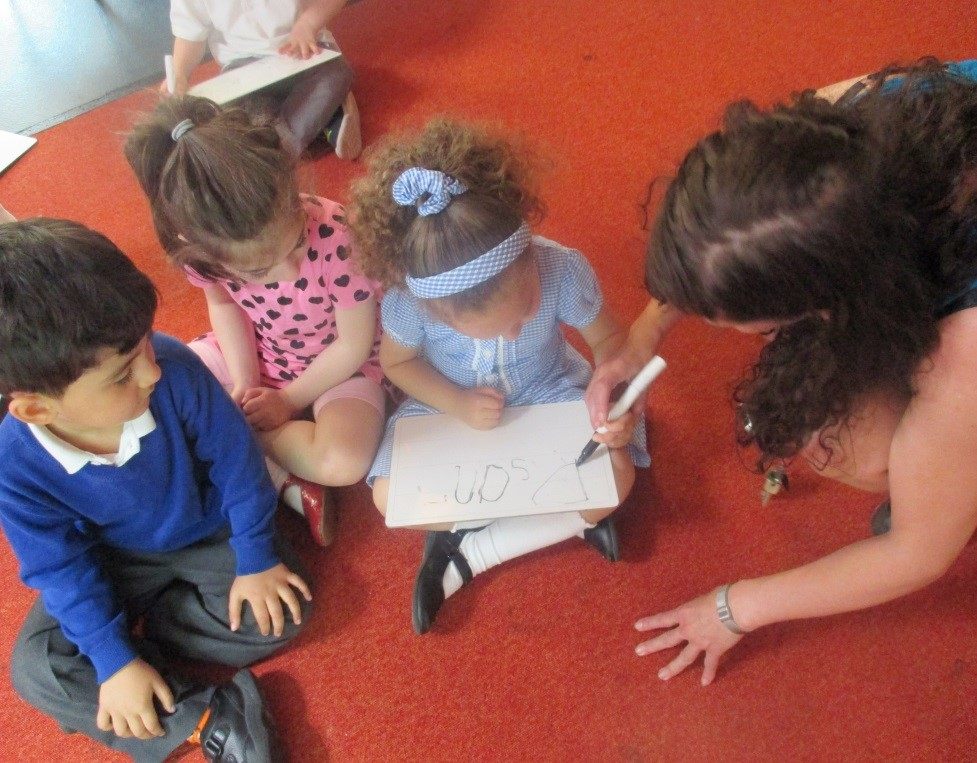
For children to develop as writers, we begin in Nursery with mark making as part of their play. Adults role model the writing process and support children to give meaning to their marks and start to write their own names. Children practise skills including gross and fine motor movements, doing hand exercises before engaging in handwriting or fine motor tasks; practise mark making by air writing, writing in sand, writing on walls with water and paintbrushes etc. They will practise tracing and copying patterns, in particular pencil control and start to form some of the letters in their names correctly.
Reception is a key year where the children will begin learning to form their letters correctly using the Little Wandle handwriting scheme. Early writing skills are taught separately i.e. the transcription skills of handwriting and spelling and composition skills (built up in the foundation stages through oral composition, story telling, scribed writing etc). Teaching staff focus on all children getting the following right: Posture, pencil grip (pinch, flip, grip), paper position and pressure. Learning the correct pencil grip and formation of lower-case and upper-case letters is a key priority for handwriting in Reception.
As the year progresses children will start to write simple sentences, including dictated sentences. They will explore talk for writing through scribed and group writing and oral activities.
Mathematics
- Number
- Numerical Patterns
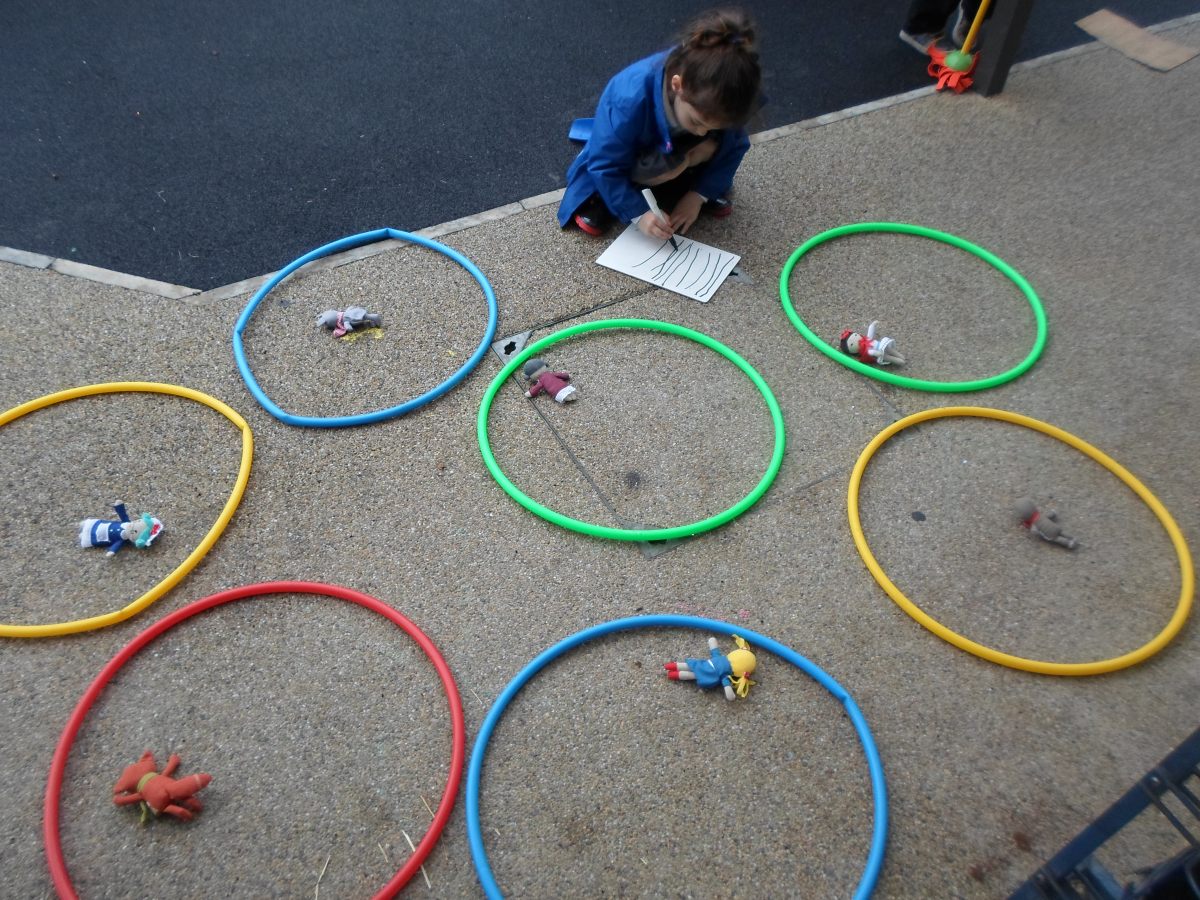
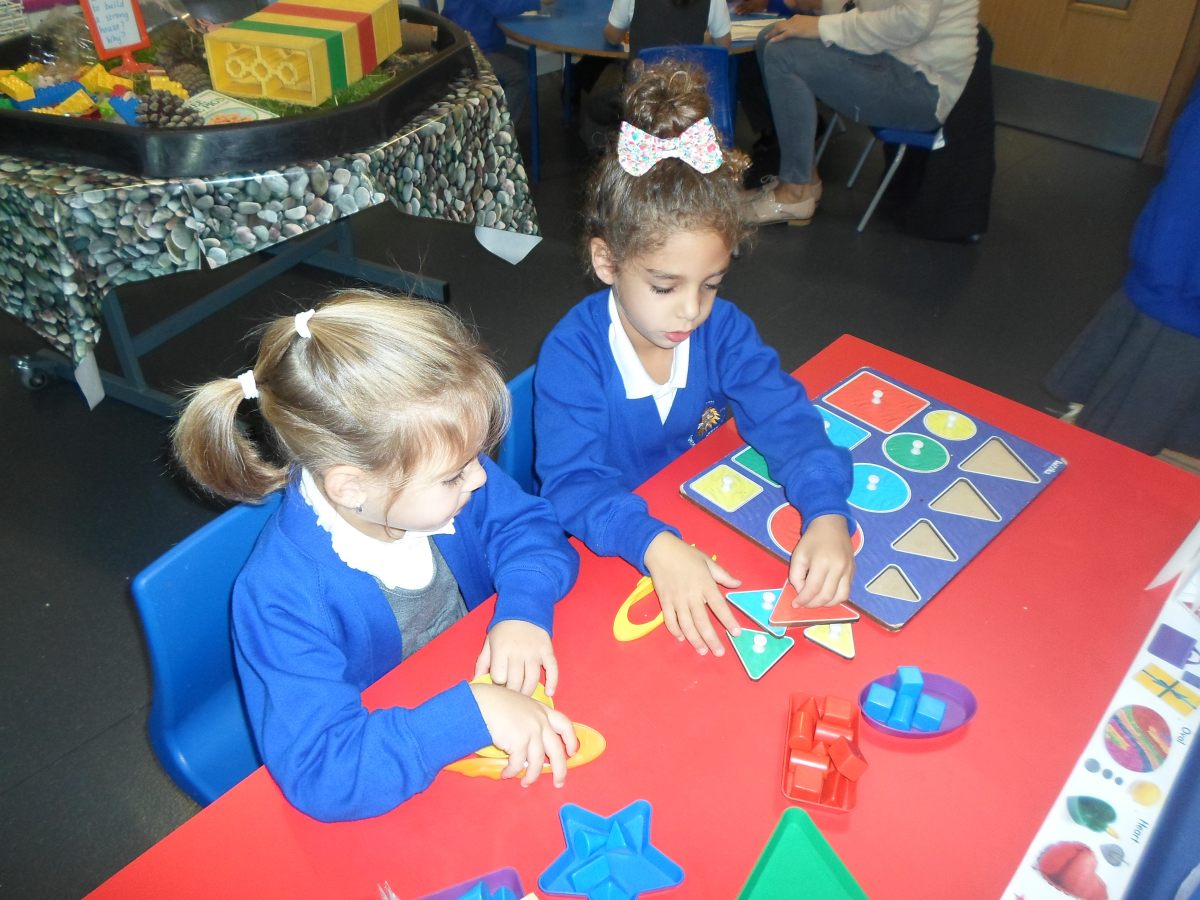
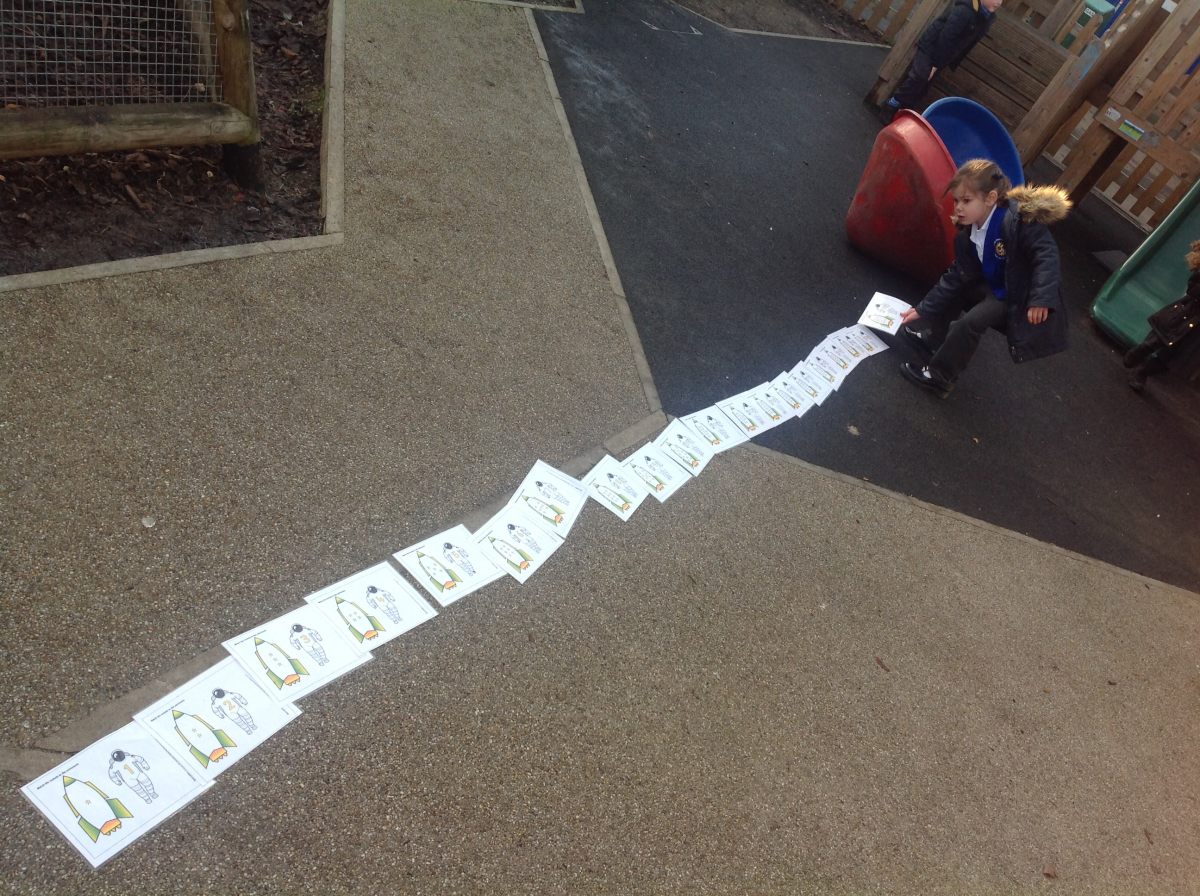
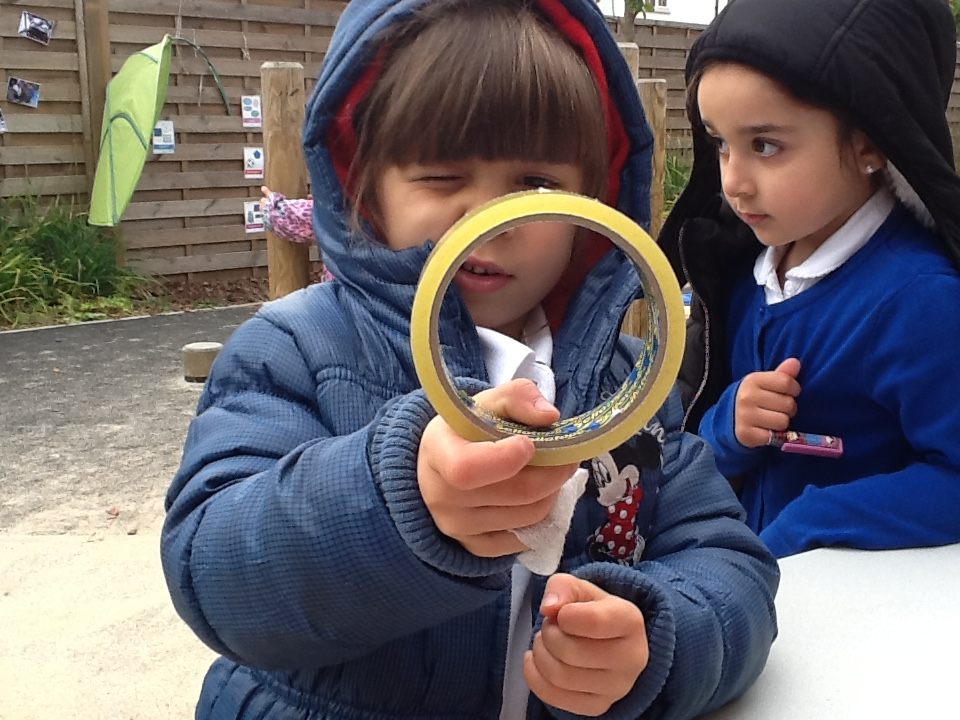
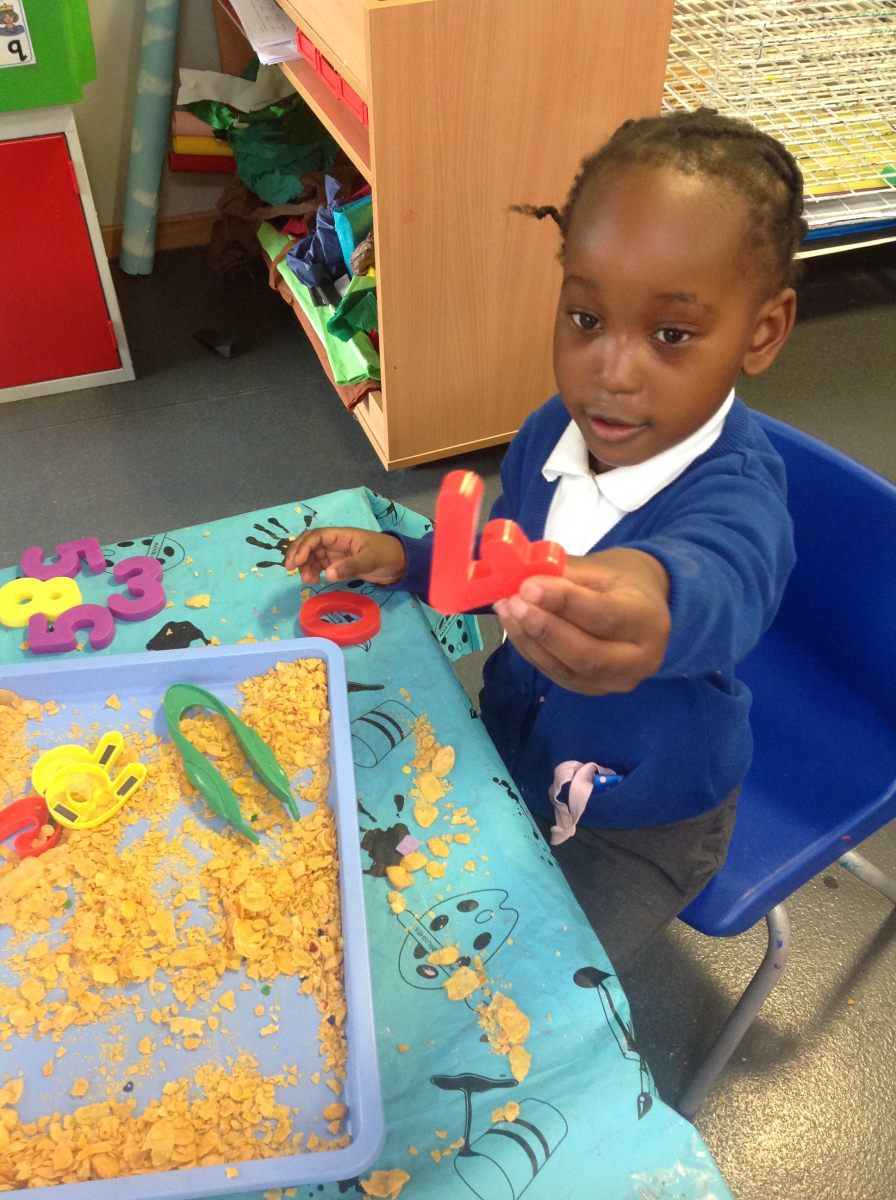
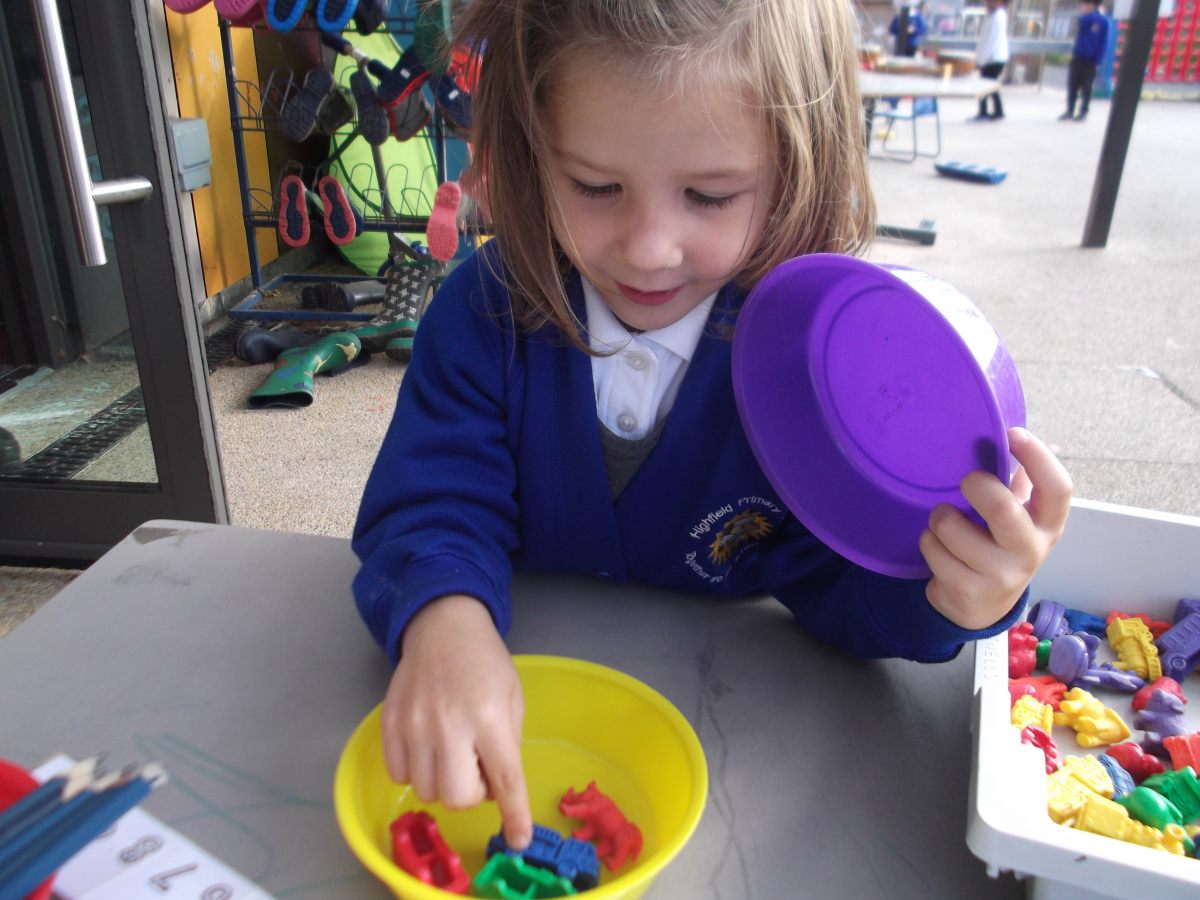
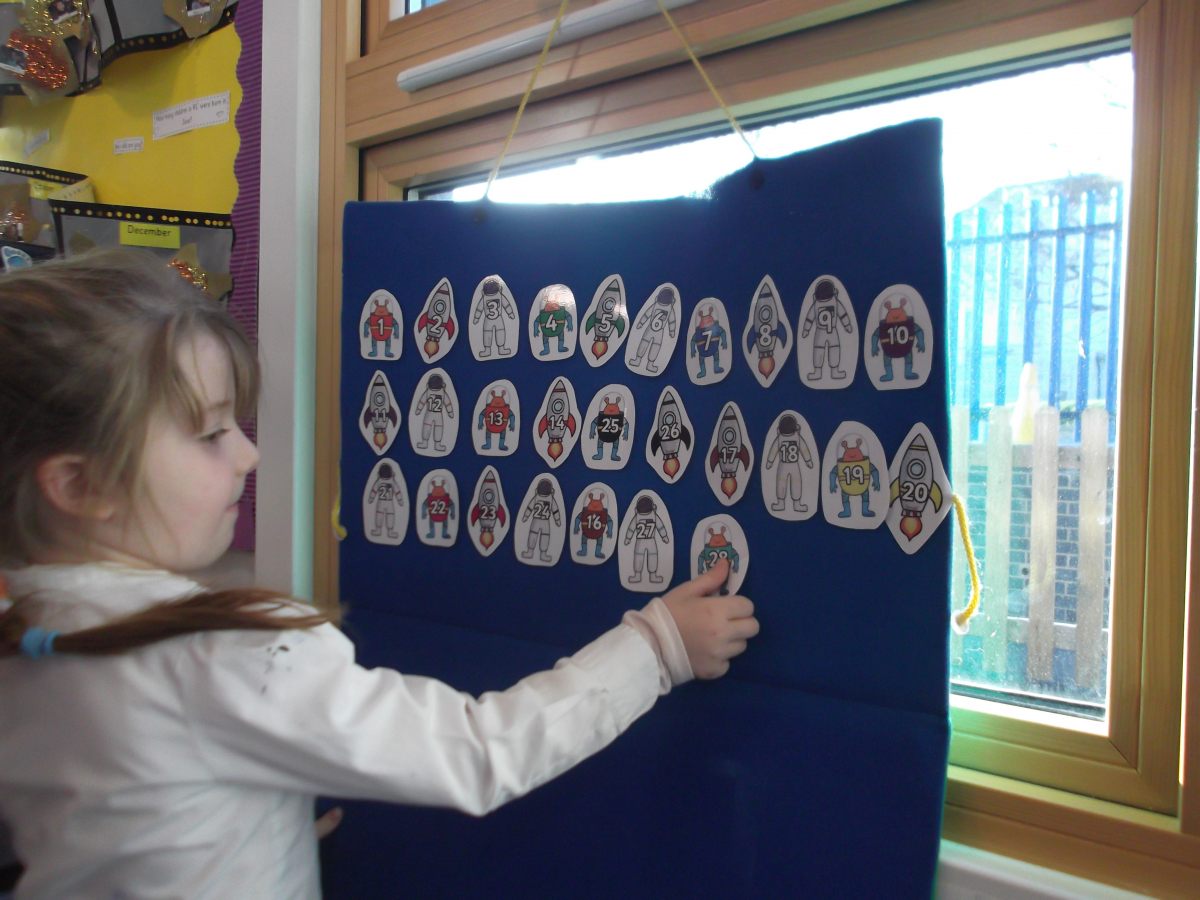
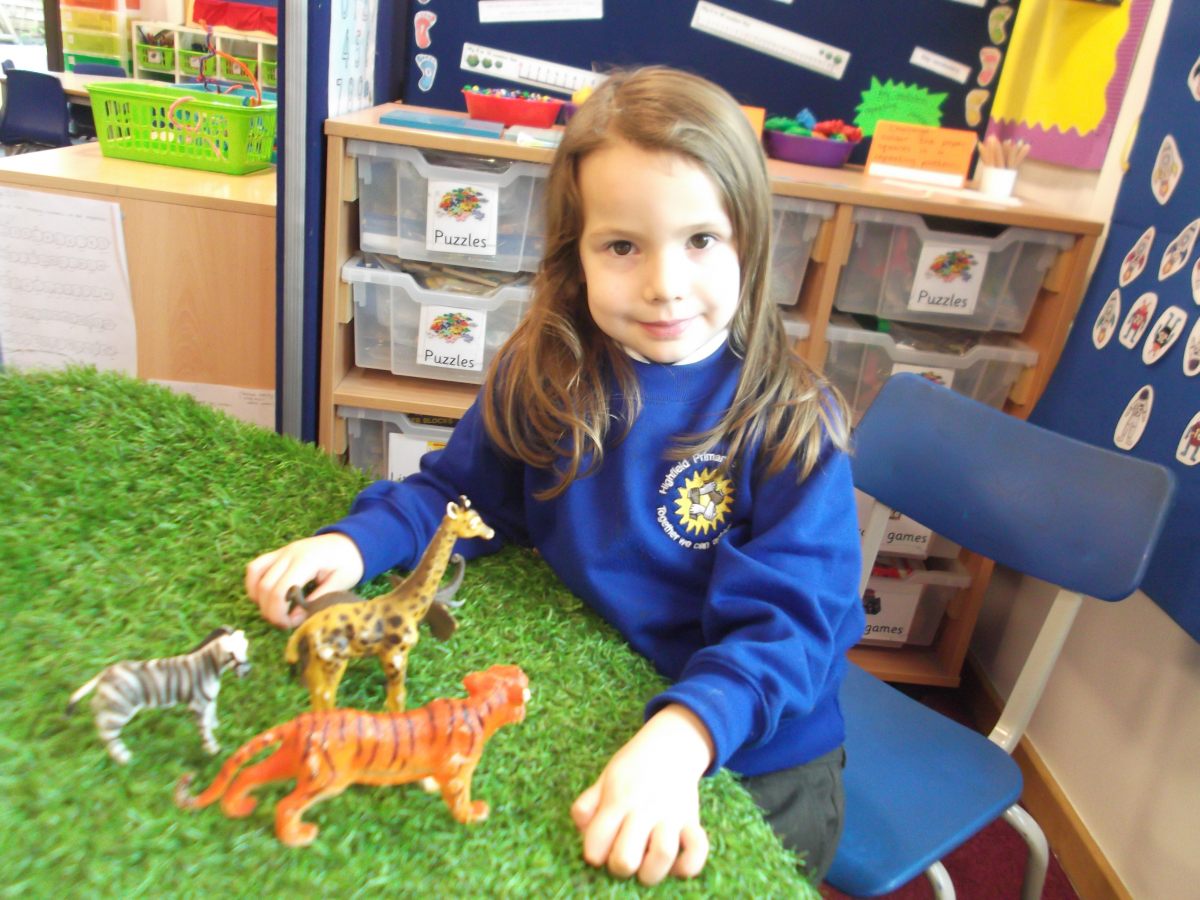
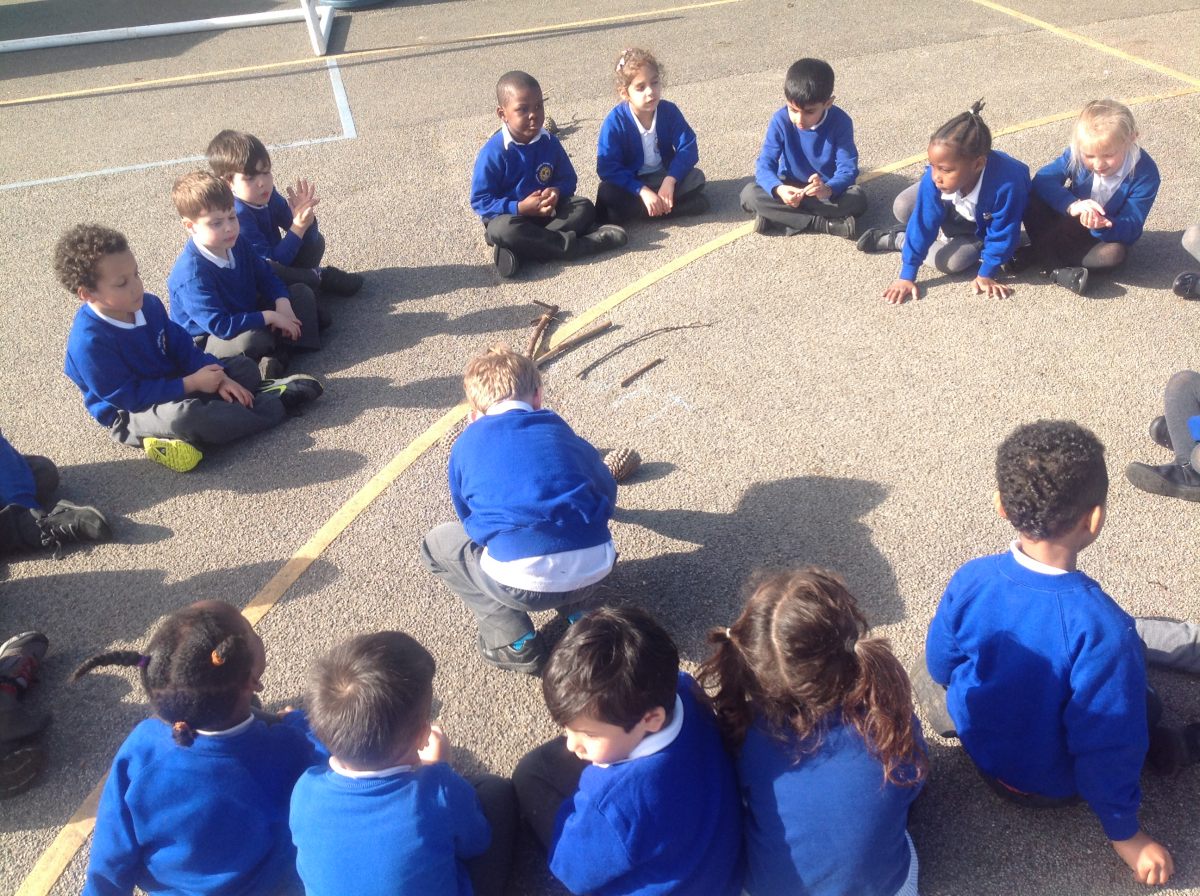
We believe it is important that children develop positive attitudes and interests in mathematics, look for patterns and relationships, spot connections, ‘have a go’, talk to adults and peers about what they notice and not be afraid to make mistakes.
EYFS staff use Development Matters, the Early Learning Goals and White Rose Maths to guide their mathematics planning.
Understanding of the World
- Past and Present
- People, Culture and Communities
- The Natural World
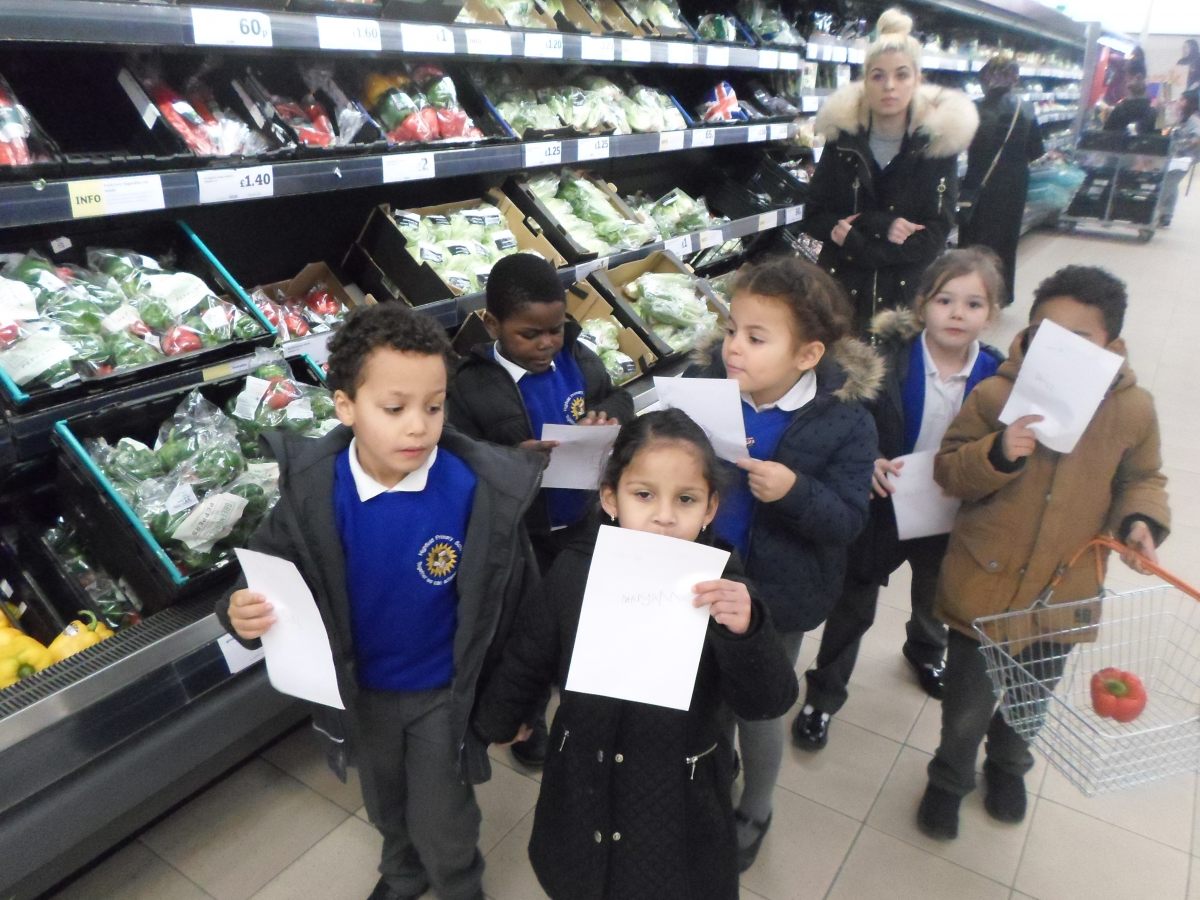
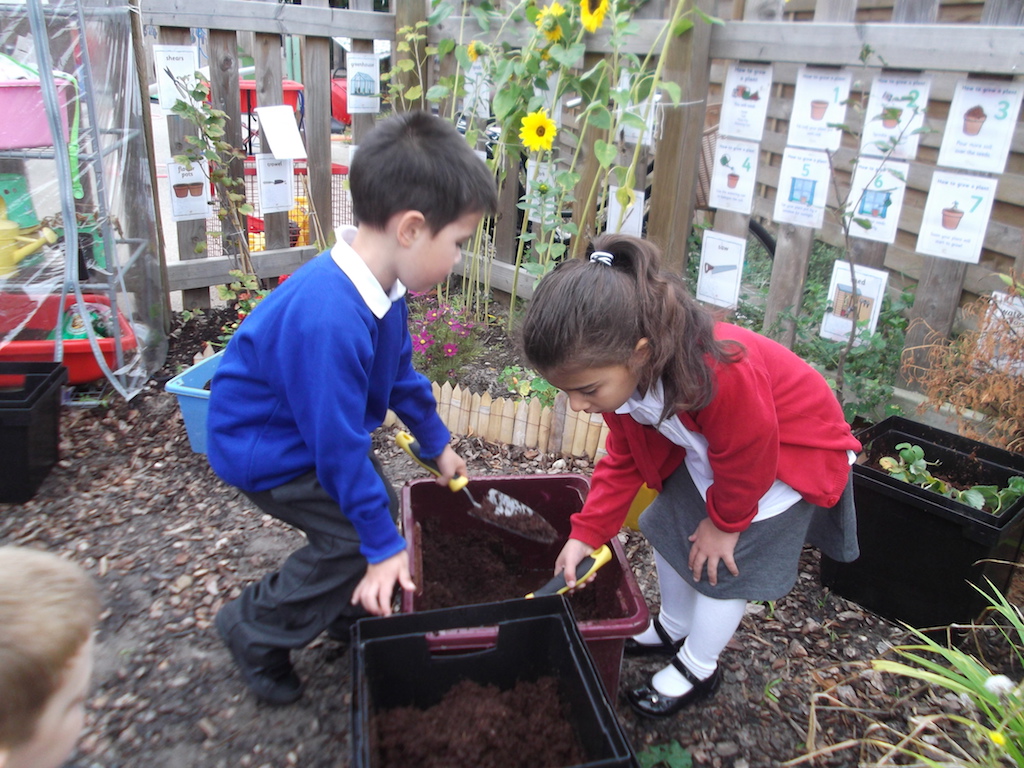
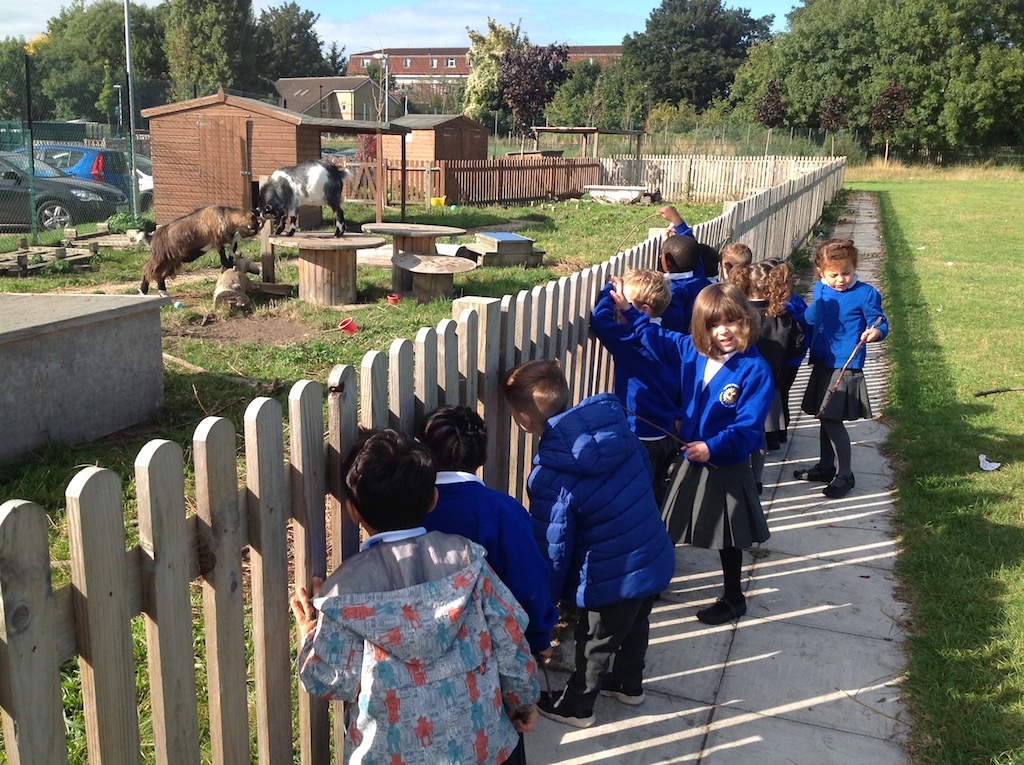
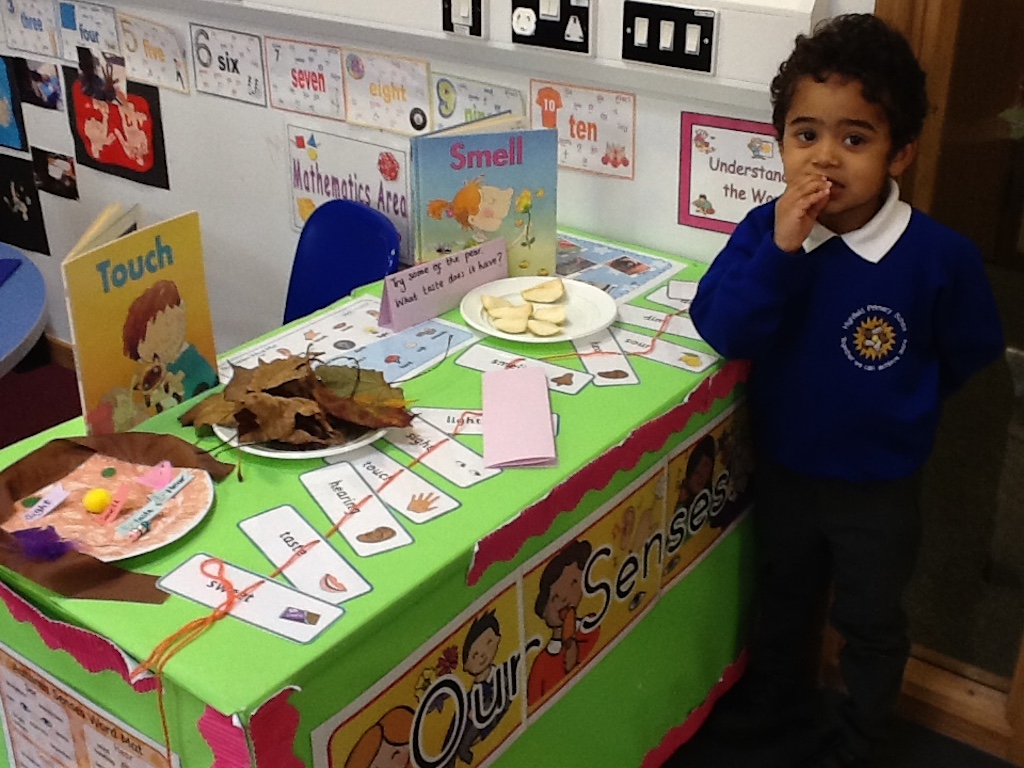
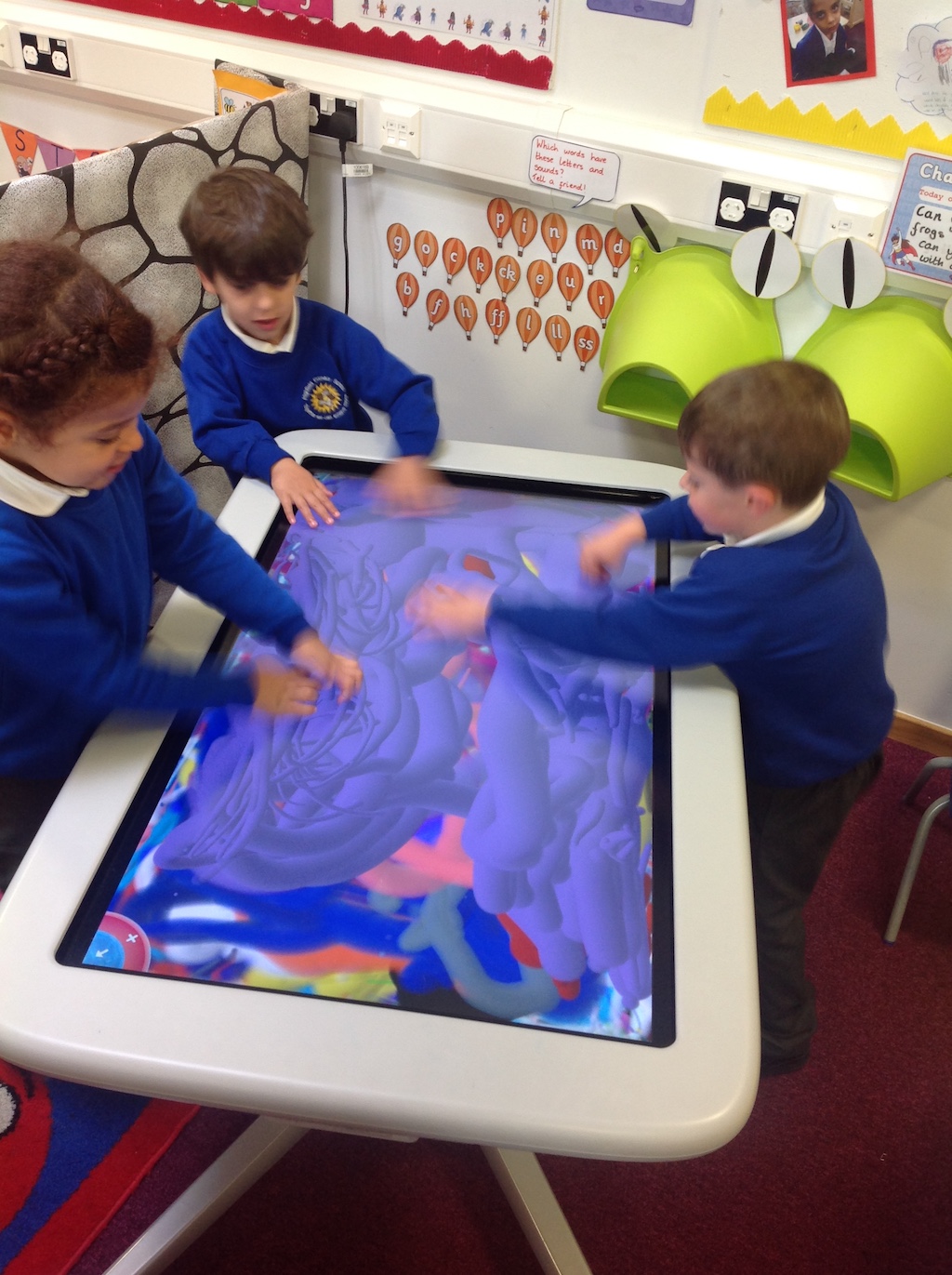
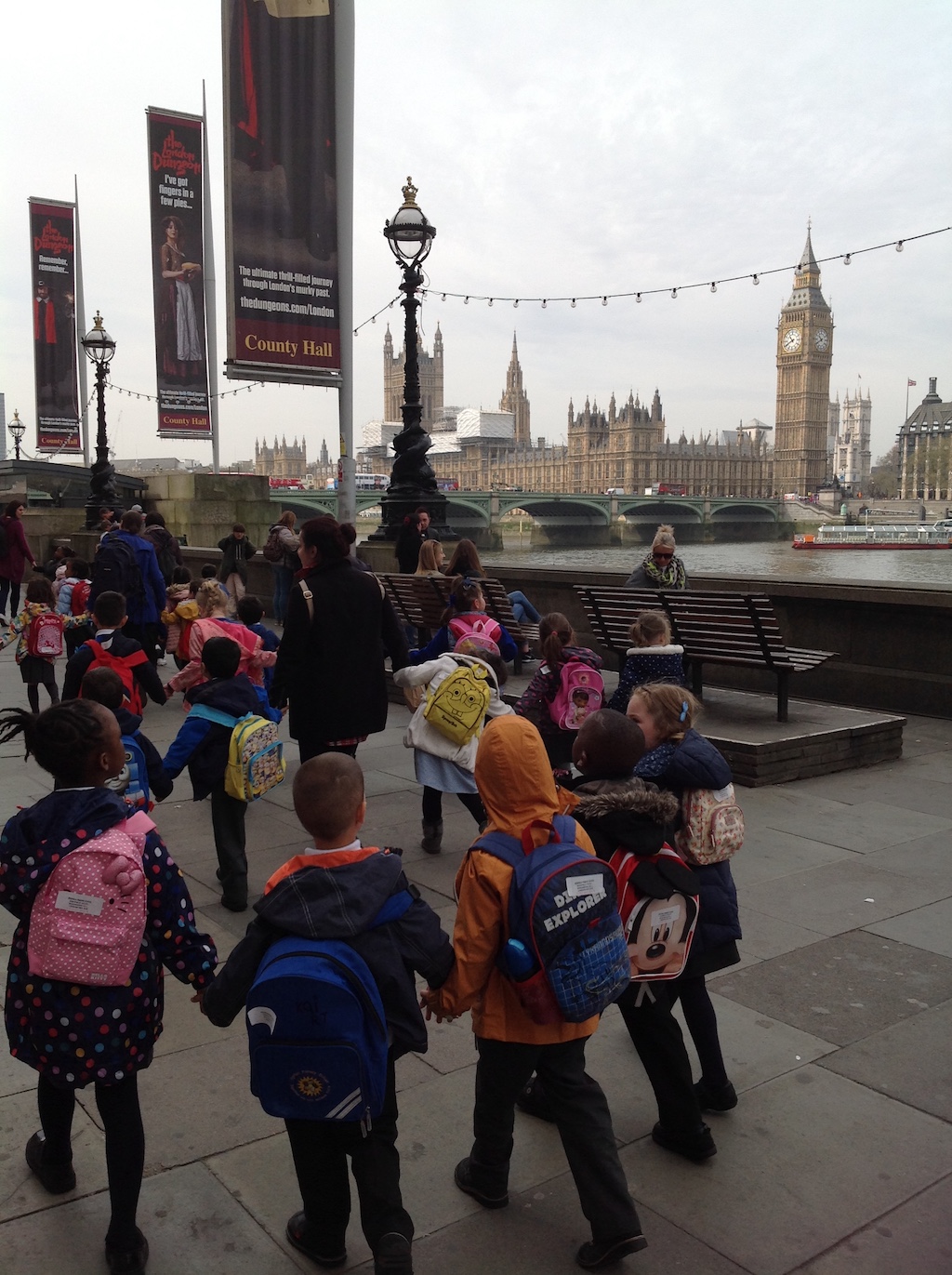
Understanding the world involves guiding children to make sense of their physical world and their community. The frequency and range of children’s personal experiences increases their knowledge and sense of the world around them – from visiting parks, libraries and museums to meeting important members of society such as police officers, nurses and firefighters. In addition, listening to a broad selection of stories, non-fiction, rhymes and poems will foster their understanding of our culturally, socially, technologically and ecologically diverse world. As well as building important knowledge, this extends their familiarity with words that support understanding across domains. Enriching and widening children’s vocabulary will support later reading comprehension.
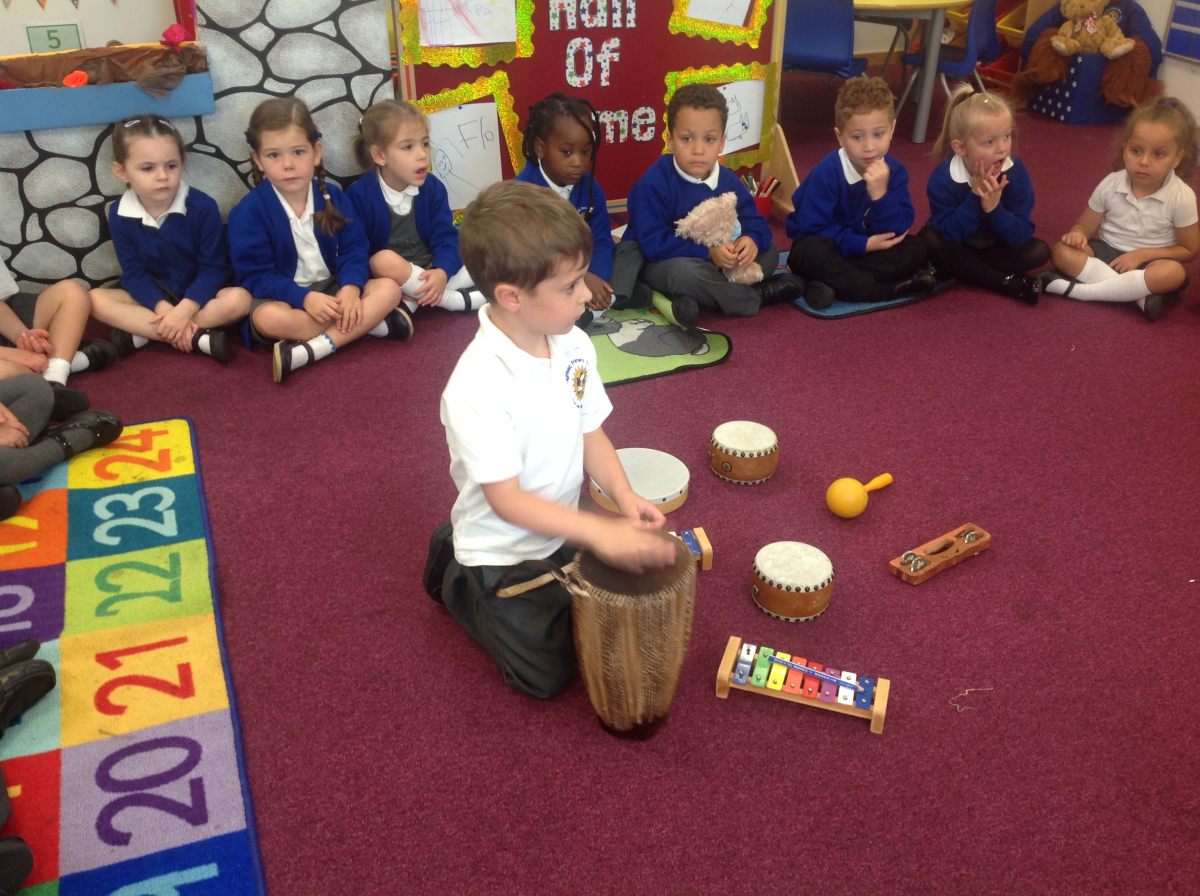
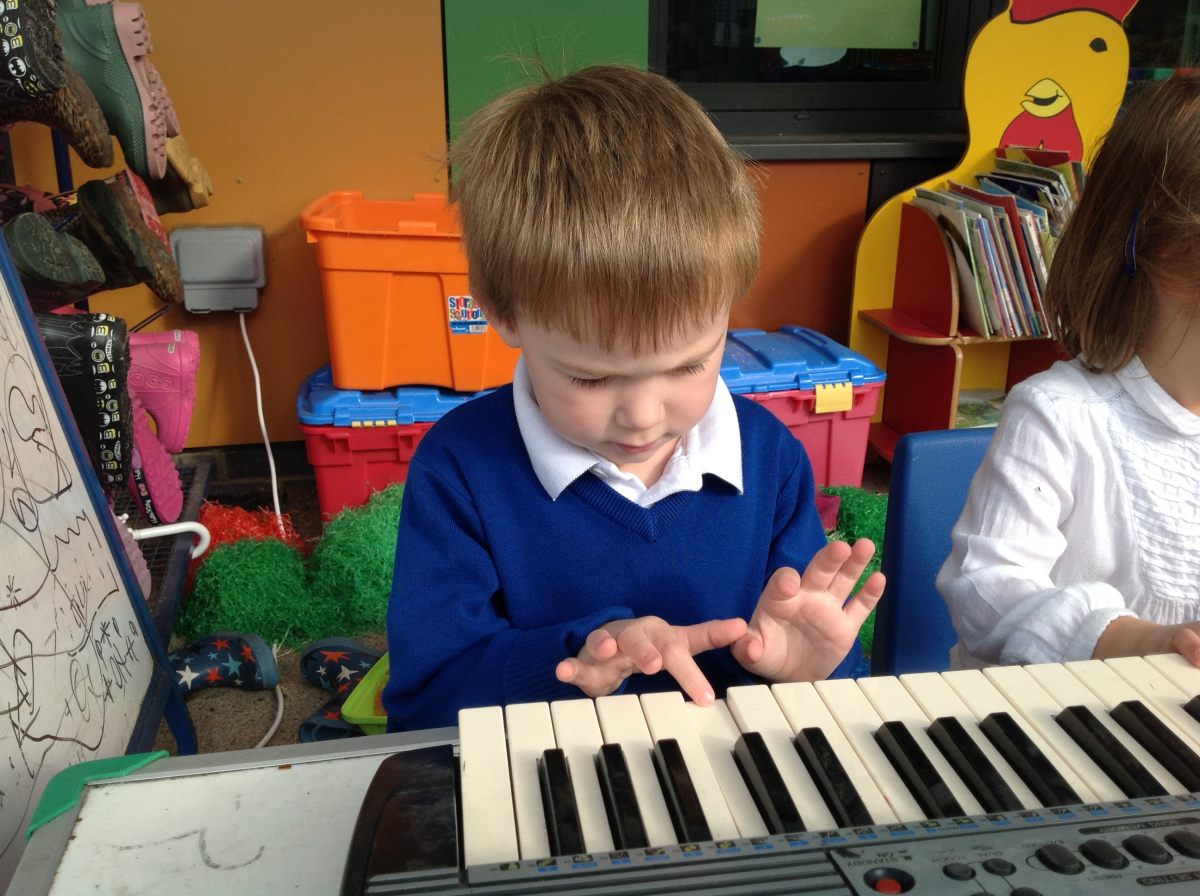
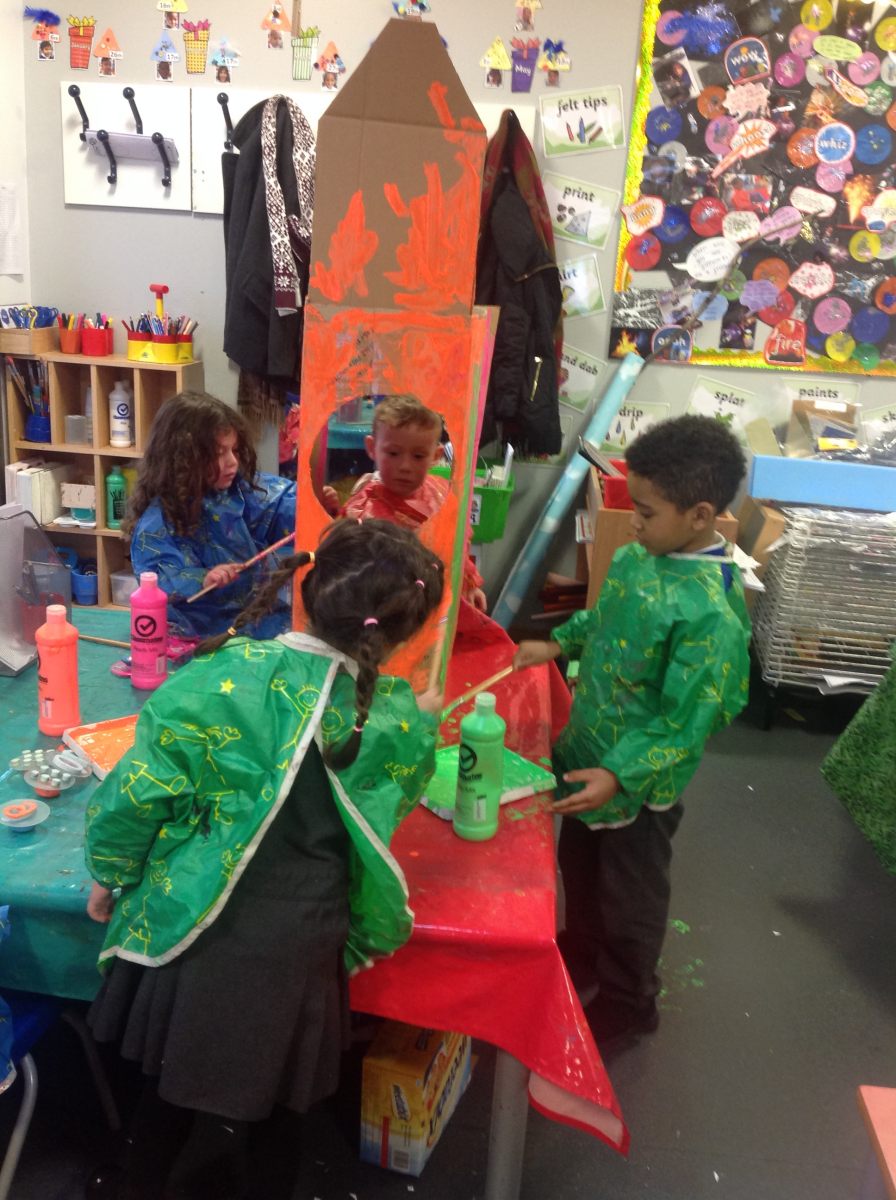
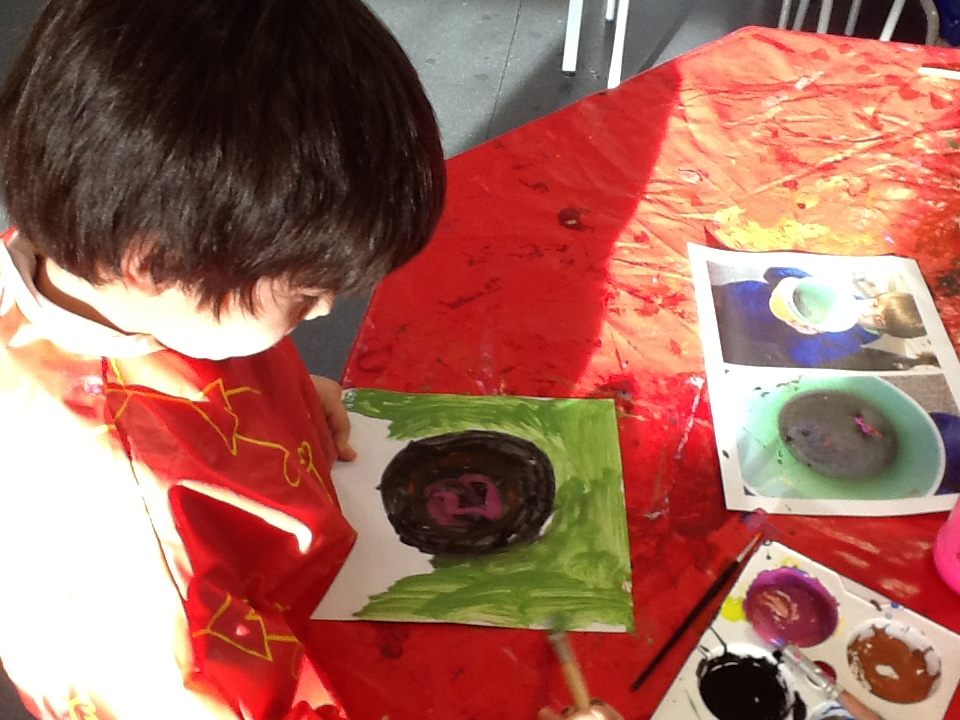
Expressive Arts and Design
- Creating with Materials
- Being Imaginative and Expressive